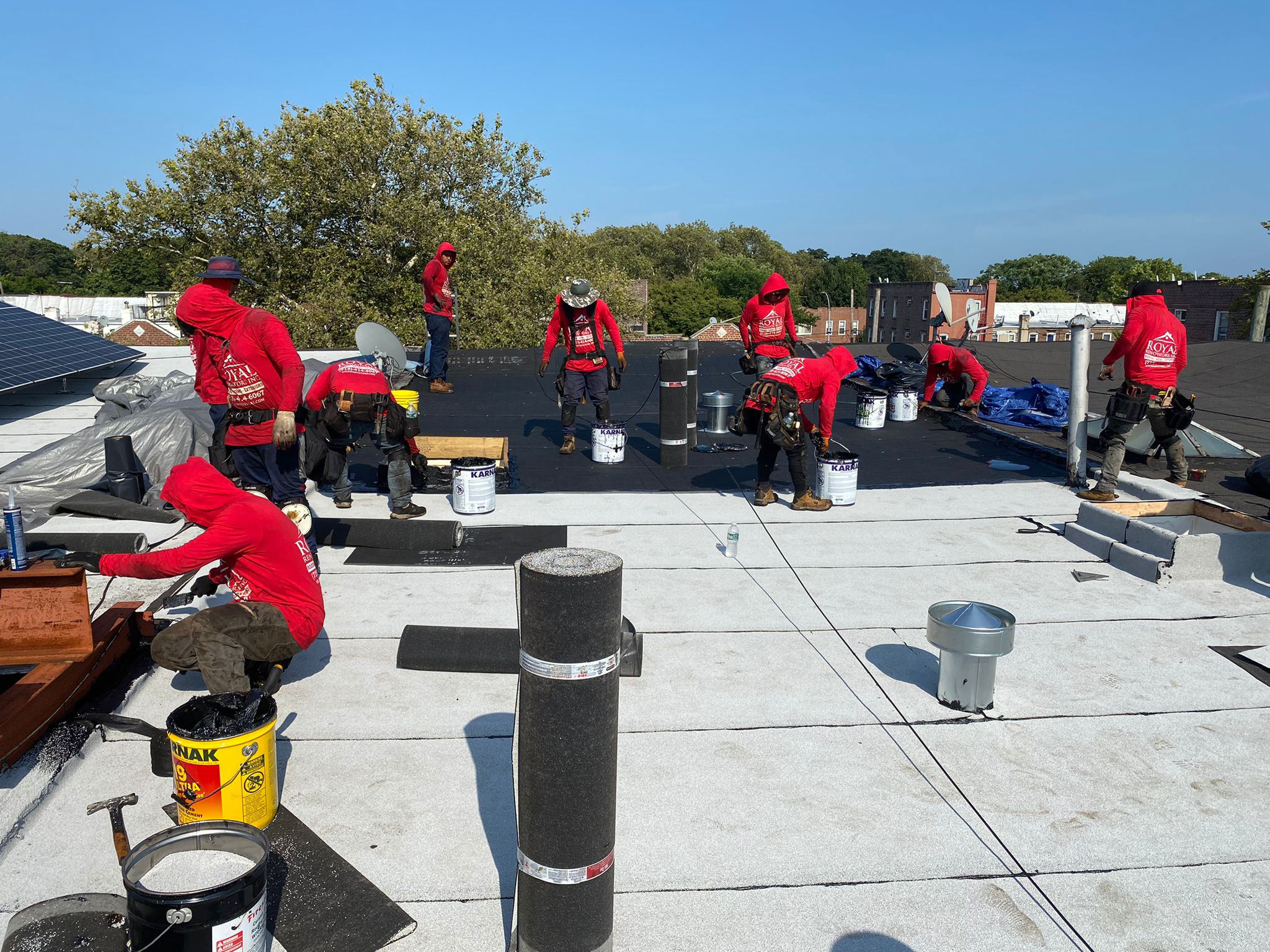
New York City experiences frequent rainfall throughout the year, especially during spring storms and hurricane season. While rain is a normal part of the climate, heavy and prolonged rainfall can create serious problems for buildings with flat roofing systems. Many residential and commercial properties across NYC rely on flat roofs, which require proper drainage, waterproofing, and regular maintenance to perform effectively.
When drainage systems fail or roofing materials deteriorate, heavy rain can quickly expose weaknesses in a flat roof structure. Water accumulation, membrane damage, and hidden leaks can lead to expensive repairs if the problem is not addressed early. This is why regular roof inspection in NYC plays a critical role in protecting properties from weather-related roofing damage.
Understanding how rain impacts flat roofs and knowing the warning signs can help property owners prevent long-term structural issues and maintain the integrity of their roofing system.
Why Flat Roofs Are Common in NYC Buildings
Flat roofs are widely used across New York City due to the architectural design of many residential and commercial buildings. Unlike sloped roofs, flat roofing systems provide usable space for HVAC equipment, solar panels, and maintenance access. They are also cost-effective for large structures such as apartment buildings, warehouses, and commercial properties.
However, flat roofs require specialized construction techniques. Instead of shedding water naturally like sloped roofs, flat roofs rely on drainage systems and waterproof membranes to move water away from the structure. If these components fail, heavy rainfall can lead to water pooling and structural damage.
This makes routine roof inspection in NYC especially important for buildings with flat roofing systems.
How Heavy Rain Can Damage Flat Roofs
Flat roofing systems are designed to handle normal rainfall, but severe storms or prolonged rainfall can expose vulnerabilities in the roofing structure. Several issues commonly occur when heavy rain affects flat roofs.
Ponding Water
One of the most common problems associated with flat roofs is ponding water. When rainwater accumulates and does not drain properly, it can sit on the roof surface for extended periods. Over time, standing water can weaken roofing membranes and increase the likelihood of leaks.
Ponding water also adds extra weight to the roof structure, which can lead to structural stress if the drainage system is not functioning properly.
Membrane Damage
Flat roofs rely on waterproof membranes such as EPDM, TPO, or modified bitumen to protect the building from water infiltration. Heavy rainfall combined with wind or debris can damage these membranes, creating small cracks or punctures that allow water to penetrate the roof.
Once water enters the roofing system, it can spread beneath the surface and affect insulation layers and structural materials.
Flashing Failure
Flashing is used to seal roof edges, vents, and other roof penetrations. During heavy rainfall, damaged or poorly installed flashing can allow water to enter vulnerable areas of the roof.
This type of damage often leads to slow leaks that may not be immediately visible but can cause long-term interior damage.
Drainage System Blockages
Flat roofs depend heavily on drains, gutters, and scuppers to remove rainwater efficiently. Debris such as leaves, dirt, or construction residue can clog drainage systems, causing water to accumulate on the roof.
When drains become blocked, even moderate rainfall can lead to significant water buildup.
Warning Signs of Rain Damage on Flat Roofs
Property owners should watch for early signs of roofing problems following heavy rainfall. Identifying these issues early can help prevent major repairs or full roof replacement.
Common warning signs include water stains on ceilings, mold growth inside the building, bubbling or blistering on roofing membranes, and visible standing water on the roof surface. Another common indicator is clogged or overflowing drainage systems.
If any of these signs appear, scheduling a roof inspection in NYC is the best way to determine the extent of the problem and identify the necessary repairs.
Why Roof Inspections Are Essential After Heavy Rain
After severe weather events, roofing systems should be evaluated to ensure they remain structurally sound. A professional roof inspection in NYC allows roofing experts to identify hidden damage that may not be visible from the ground.
During an inspection, roofing professionals evaluate the membrane condition, drainage performance, flashing integrity, and structural components of the roof. They also check for moisture intrusion and insulation damage that may not yet be visible inside the building.
Early detection of roofing problems allows property owners to complete targeted repairs before minor issues escalate into major structural concerns.
Preventing Flat Roof Damage from Heavy Rain
While weather cannot be controlled, proactive maintenance can significantly reduce the risk of roofing damage. Preventive strategies focus on maintaining drainage systems, repairing minor issues early, and ensuring roofing materials remain in good condition.
Regular maintenance and professional inspections help extend the lifespan of flat roofing systems and reduce the likelihood of emergency repairs.
Property owners should also ensure that rooftop drains remain free from debris and that gutters and downspouts function properly. Proper drainage is one of the most effective ways to prevent water accumulation and roof leaks.
Routine roof inspection in NYC helps identify drainage issues before they cause significant damage.
The Long-Term Impact of Water Damage on Flat Roofs
Ignoring rain-related roof damage can lead to serious long-term consequences. Water infiltration can damage insulation materials, weaken structural components, and contribute to mold growth within the building.
Over time, repeated water exposure can also accelerate the deterioration of roofing membranes, significantly reducing the lifespan of the roof. When these problems remain unresolved, property owners may eventually face costly roof replacement instead of simple repairs.
Regular maintenance and inspections are the most effective ways to avoid these expensive outcomes.
Protecting Your Roof with Professional Inspections
Flat roofs require specialized expertise to maintain properly. Professional roofing contractors have the tools and experience needed to identify early signs of damage and recommend appropriate solutions.
Scheduling routine inspections ensures that roofing systems remain in good condition and continue to protect the property from weather-related risks.
For property owners across New York City, a professional roof inspection in NYC provides valuable insight into the condition of the roof and helps prevent unexpected roofing emergencies.
Conclusion
Heavy rain is a common part of New York City’s climate, but it can present serious challenges for flat roofing systems. From ponding water to membrane damage and clogged drainage systems, several factors can contribute to roof leaks and structural deterioration.
Understanding how rainfall impacts flat roofs and recognizing early warning signs can help property owners protect their buildings from long-term damage. Regular maintenance, proper drainage, and professional inspections play an essential role in keeping roofing systems in good condition.
Scheduling routine roof inspection in NYC allows property owners to identify problems early, extend the lifespan of their roofing systems, and avoid costly repairs caused by water damage.
Frequently Asked Questions About Flat Roof Damage and Roof Inspection in NYC
How can heavy rain damage flat roofs in NYC?
Heavy rainfall in New York City can lead to water pooling on flat roofing systems if drainage is blocked or inefficient. Standing water increases pressure on the roofing membrane, which may lead to leaks, structural stress, and deterioration of waterproof materials. Regular roof inspection in NYC helps identify drainage issues early and prevent long-term damage.
Why is roof inspection important after heavy rain in NYC?
After periods of heavy rain, flat roofs may develop hidden issues such as membrane cracks, flashing damage, or clogged drainage systems. A professional roof inspection in NYC helps detect these problems before they lead to major leaks or structural repairs.
What are signs that heavy rain has damaged a flat roof?
Common warning signs include standing water on the roof surface, water stains on ceilings, mold growth, bubbling roofing materials, and slow leaks inside the building. If these signs appear, scheduling a roof inspection in NYC can help identify the exact cause and prevent further damage.
How often should flat roofs be inspected in NYC?
Flat roofs should typically be inspected at least once or twice per year, especially after severe storms or prolonged rainfall. Routine roof inspection in NYC ensures drainage systems remain clear and roofing materials stay in good condition.
Can proper maintenance prevent flat roof damage from rain?
Yes. Preventive maintenance such as clearing roof drains, repairing small cracks, and scheduling regular inspections significantly reduces the risk of rain-related damage. A professional roof inspection in NYC helps ensure your roofing system remains prepared for heavy rainfall.