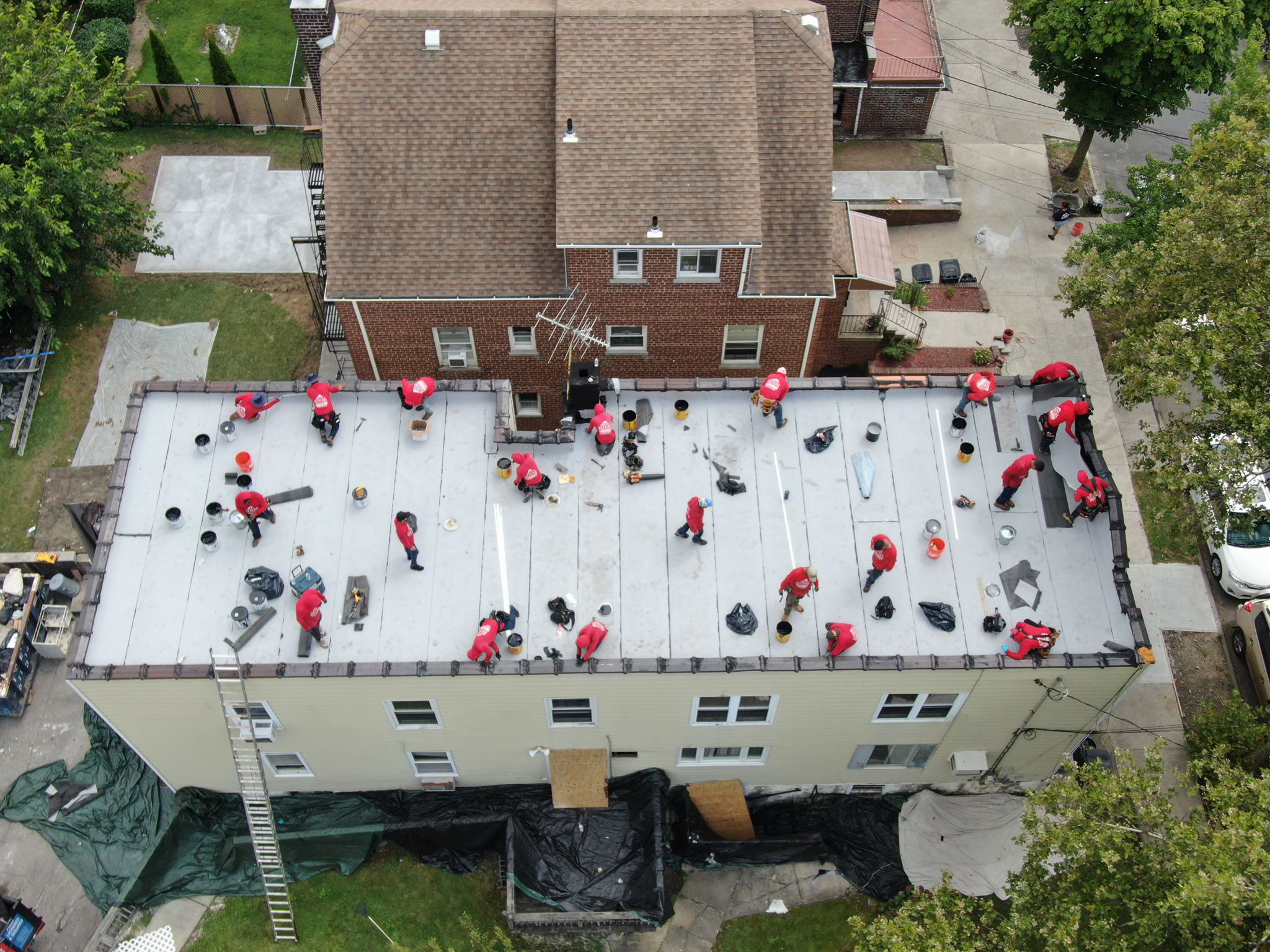
Brownstone homes are one of the most iconic architectural features across Queens, reflecting both historic charm and practical urban design. While these properties offer aesthetic appeal and strong structural foundations, many rely on flat roofing systems that require consistent maintenance to perform effectively. Unlike sloped roofs, flat roofs do not naturally shed water, making them more dependent on proper drainage and routine care.
For homeowners in Queens, maintaining a flat roof is not just about preserving the building’s appearance—it is essential for preventing water damage, extending the lifespan of the roof, and protecting the overall structure. Understanding how to properly maintain a flat roofing system can help avoid costly repairs and unexpected issues.
Why Flat Roof Maintenance Is Critical for Brownstone Homes
Flat roofs are widely used on brownstone homes due to their practicality in dense urban environments. However, these systems are more vulnerable to water pooling, membrane wear, and drainage problems if not properly maintained. Over time, exposure to rain, snow, and temperature fluctuations can weaken roofing materials, leading to leaks and structural damage.
In Queens, seasonal weather changes play a major role in roof performance. Winter snow and ice can create stress on roofing materials, while spring and summer rainfall can expose drainage issues. Regular maintenance ensures that these systems continue to perform efficiently throughout the year.
A well-maintained flat roof not only protects your property but also helps preserve the value of your brownstone home.
Inspecting the Roof Surface and Membrane
The roofing membrane is one of the most important components of a flat roof. Materials such as EPDM, TPO, and modified bitumen are commonly used in Queens brownstones due to their durability and waterproofing properties.
Over time, these materials may develop cracks, blisters, or small punctures. These issues may not always be visible from the ground but can lead to leaks if left unaddressed. Regular inspections of the roof surface help identify early signs of wear before they become major problems.
Professional inspections are especially important because trained roofing contractors can detect subtle issues that homeowners may overlook.
Keeping Drainage Systems Clear
One of the most common causes of flat roof damage is poor drainage. Unlike sloped roofs, flat roofs rely on internal drains, scuppers, and gutters to remove water. When these systems become clogged with debris such as leaves, dirt, or trash, water can begin to accumulate on the roof.
Standing water, also known as ponding, places additional stress on the roofing structure and can accelerate material deterioration. Over time, this can lead to leaks and structural damage.
Homeowners should ensure that drainage systems are inspected and cleared regularly, especially after storms or seasonal changes.
Checking Flashing and Roof Edges
Flashing is installed around roof penetrations such as vents, chimneys, and skylights to prevent water from entering vulnerable areas. On brownstone homes, flashing plays a critical role in maintaining the waterproof integrity of the roof.
Over time, flashing may loosen or deteriorate due to weather exposure. Even small gaps can allow water to seep into the structure, leading to interior damage.
Regular inspection of flashing and roof edges helps ensure that all protective components remain secure and properly sealed.
Monitoring Signs of Water Damage
One of the key aspects of flat roof maintenance is identifying early signs of water damage. In many cases, problems begin before visible leaks appear inside the home.
Homeowners should pay attention to warning signs such as water stains on ceilings, peeling paint, mold growth, or musty odors. These indicators often suggest that moisture has already entered the roofing system.
Addressing these issues early can prevent more extensive repairs and protect the structural integrity of the building.
Seasonal Maintenance for Queens Weather
Queens experiences a range of weather conditions throughout the year, each affecting flat roofing systems differently. During winter, snow accumulation and freezing temperatures can cause materials to expand and contract, leading to cracks or separation.
In spring and summer, heavy rainfall can expose drainage issues and weak points in the roofing system. Fall often brings debris buildup that can clog drains and gutters.
Seasonal maintenance ensures that the roof is prepared for these changing conditions and continues to perform effectively year-round.
Importance of Professional Roof Inspections
While routine maintenance can be performed by homeowners, professional inspections provide a more comprehensive evaluation of the roofing system. Roofing experts have the tools and experience needed to identify issues that may not be visible during a basic inspection.
Scheduling a professional inspection at least once a year helps ensure that the roof remains in optimal condition. These inspections can also help determine whether repairs or upgrades are needed to maintain long-term performance.
For brownstone homes in Queens, professional maintenance is one of the most effective ways to extend the lifespan of a flat roof.
Protecting Your Investment with Proper Maintenance
A flat roof is a significant investment for any homeowner. Without proper care, even high-quality roofing systems can deteriorate quickly. Regular maintenance not only prevents damage but also helps maintain energy efficiency and overall building performance.
By staying proactive and addressing small issues early, homeowners can avoid costly repairs and ensure that their roofing system continues to provide reliable protection.
Flat roof maintenance is not just a routine task—it is a critical part of preserving the safety and value of your brownstone home.
Conclusion
Maintaining a flat roof on a brownstone home in Queens requires attention, consistency, and a proactive approach. From inspecting the roofing membrane to ensuring proper drainage, each step plays a vital role in preventing damage and extending the lifespan of the roof.
Ignoring minor issues can lead to significant problems over time, but regular maintenance and professional inspections help keep roofing systems in optimal condition. By following a structured maintenance approach, homeowners can protect their investment and avoid unnecessary expenses.
If you own a brownstone home in Queens and want to ensure your flat roof remains in top condition, Royal Renovators Inc. is here to help. Our team specializes in flat roofing systems, inspections, and long-term maintenance solutions tailored for New York properties. Contact us today to schedule a professional roof inspection and keep your property protected year-round.
Frequently Asked Questions About Flat Roof Maintenance in Queens Brownstones
How often should flat roofs be maintained in Queens brownstone homes?
Flat roofs should be inspected and maintained at least once or twice per year, especially after winter and heavy storms, to ensure proper drainage and membrane condition.
What is the most common issue with flat roofs in Queens?
The most common issue is ponding water caused by poor drainage, which can lead to leaks and structural damage if not addressed early.
Which roofing materials are best for brownstone flat roofs?
EPDM, TPO, and modified bitumen are commonly used due to their durability, flexibility, and ability to withstand New York weather conditions.
Can small flat roof issues be repaired without replacement?
Yes. Minor issues such as small cracks or flashing damage can often be repaired if detected early through regular inspections.
Do flat roofs require professional inspections?
Professional inspections are recommended because roofing experts can identify hidden issues and ensure long-term performance of the roofing system.