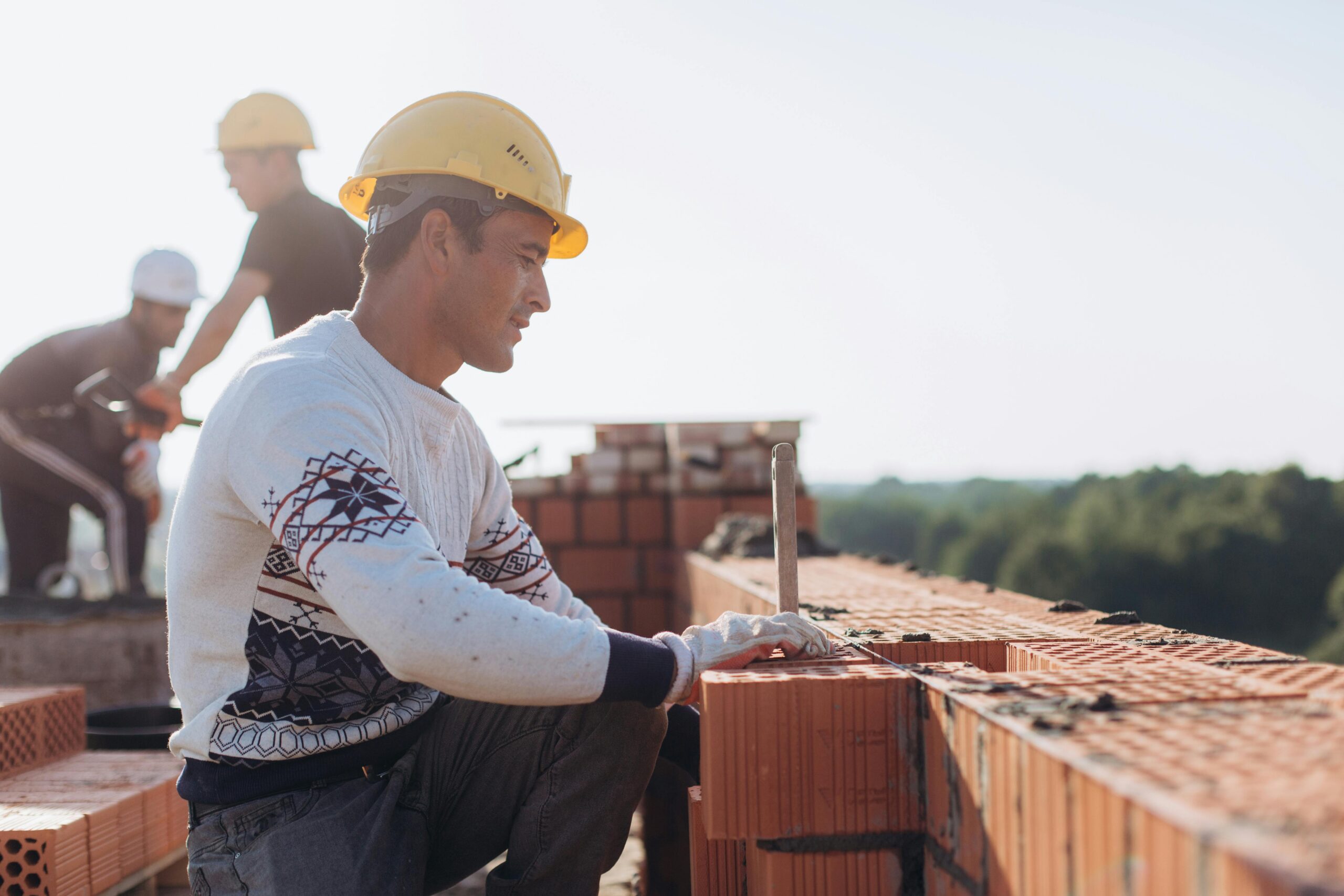
Roof safety is one of the most critical yet often overlooked aspects of roof maintenance, repair, and installation. Whether you are a homeowner, property manager, or roofing professional, working at heights always carries risks. Falls, structural failures, and weather-related hazards can cause serious injuries and costly damage if proper safety measures are ignored.
This comprehensive guide explains roof safety best practices, rules, equipment, and risk prevention strategies tailored to U.S. standards and especially relevant for properties in Queens, New York, where flat and low-slope roofs are common.
What Is Roof Safety and Why It Matters
Roof safety refers to the procedures, equipment, and rules designed to protect people and property during any type of roof-related work. From routine maintenance to major repairs, roof safety precautions help reduce the risk of falls, injuries, and structural damage.
In the U.S., thousands of roof-related accidents occur every year due to improper planning, lack of equipment, or ignoring basic roofing safety guidelines. Prioritizing safety not only protects lives but also ensures compliance with regulations and reduces long-term repair costs.
Who Needs to Follow Roof Safety Rules?
Roof safety rules apply to:
- Homeowners performing basic roof checks
- Maintenance teams accessing rooftops
- Professional Roofing contractors handling repairs or installations
- Property managers overseeing residential and commercial buildings
Anyone stepping onto a roof is responsible for following proper roof work safety measures.
Common Roof Safety Risks and Hazards
Roof-related hazards vary depending on roof type, height, and environmental conditions. Common risks include:
- Slips caused by wet or icy surfaces
- Weak or damaged roof sections
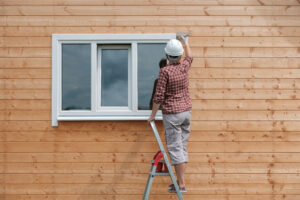
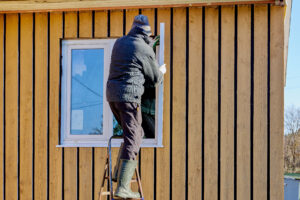
- Improper ladder placement
- Electrical hazards near rooftop equipment
- Falling tools or materials
Ignoring roofing safety often leads to injuries and unnecessary damage.
Roof Safety Risks on Flat and Low-Slope Roofs (Queens Focus)
In Queens, flat roof structures are widely used in residential and commercial buildings. These roofs present unique safety challenges such as:
- Water pooling that hides weak spots
- Membrane deterioration
- Limited edge visibility
- Increased risk of flat roof damage due to foot traffic
Extra caution and proper safety planning are essential when accessing these roofs.
Essential Roof Safety Rules and Regulations (U.S. Standards)
Roof safety compliance in the United States is based on established safety principles designed to minimize fall risks and workplace hazards. While professionals follow formal regulations, homeowners should also understand the fundamentals.
Residential Roof Safety Rules
Key roof safety rules for homeowners include:
- Avoid roof access during bad weather
- Never work alone on a roof
- Use proper footwear and safety gear
- Limit roof access to basic checks only
Practicing home roof safety reduces the risk of serious accidents.
Commercial and Flat Roof Safety Guidelines
Commercial buildings require stricter roofing safety standards, including:
- Controlled roof access
- Warning lines and edge protection
- Scheduled safety checks
- Documented safety procedures
These guidelines are especially important for flat roofing systems in Queens.
Roof Safety Equipment You Should Never Ignore
Using proper roof safety equipment is essential for preventing falls and injuries. Equipment should be selected based on roof height, slope, and type of work being performed.
Personal Protective Roof Safety Gear
Essential safety gear includes:
- Non-slip safety footwear
- Hard hats
- Gloves
- Eye protection
For elevated work, a Roof safety Harness is critical to prevent falls.
Roof Safety Tools and Fall Protection Systems
Additional protective systems include:
- Guardrails and warning lines
- Anchor points
- Secure ladders
- Roof access barriers
Using the right tools ensures safety precautions for roof installers are properly followed.
Roof Safety Best Practices Before, During, and After Work
A structured approach to roof safety minimizes risks at every stage of a project.
Roof Safety Preparation Checklist
Before starting:
- Check weather conditions
- Inspect access points
- Verify safety equipment
- Identify weak roof areas
Safe Roofing Practices During Installation or Repair
During work:
- Maintain clear walking paths
- Secure tools and materials
- Follow roofing safety guidelines at all times
- Avoid overloading roof sections
Post-Work Roof Safety Inspection
After work:
- Remove debris
- Check for new damage
- Confirm safety systems are intact
- Schedule professional roof inspections if needed
Roof Safety Tips for Homeowners in Queens, NY
Queens homeowners often deal with aging buildings and flat roofing systems. Roof safety for homeowners includes:
- Avoid unnecessary rooftop access
- Schedule regular professional inspections
- Address drainage issues early
- Hire experienced professionals for repairs
Local weather conditions like snow, rain, and high winds increase the importance of proactive safety measures.
When to Hire Professionals for Roof Safety Compliance
Some roofing tasks should never be DIY. You should hire professionals when:
- Roof height exceeds safe limits
- Structural issues are suspected
- Major repairs are needed
- Safety systems are required
Professional teams ensure full roof safety compliance while protecting both people and property.
How Roof Safety Helps Prevent Long-Term Roof Damage
Following proper roof safety measures reduces unnecessary stress on roofing materials. Controlled access and preventive care:
- Extend roof lifespan
- Prevent hidden damage
- Reduce repair costs
- Improve overall building safety
Safety-focused maintenance protects your investment over time.
Conclusion
Roof safety is not optional, it is essential. From understanding risks to using proper equipment and following safety rules, proactive planning protects lives and property. For homeowners and building managers in Queens, prioritizing safety ensures long-term roof performance and peace of mind.
If you need professional roofing support, inspections, or expert safety-focused roofing services, contact Royal Renovators Inc. today at (718) 414-6067 or visit us 118-35 Queens Blvd, Forest Hills, NY 11375 for reliable roofing solutions and expert assistance in Queens.
Frequently Asked Questions About Roof Safety
What is the most important rule of roof safety?
The most important roof safety rule is preventing falls by using proper safety equipment, secure access points, and avoiding unsafe weather conditions.
Is roof safety equipment necessary for homeowners?
Yes, homeowners should use basic roof safety equipment such as non-slip footwear, gloves, ladders, and protective gear to reduce accident risks.
Are flat roofs safer than sloped roofs?
Flat roofs may seem safer, but water pooling, hidden damage, and weak roof sections can create safety risks if proper precautions are not followed.
When should I avoid going on my roof?
You should avoid roof access during rain, snow, icy conditions, strong winds, or if there is visible roof damage.
How often should roof safety inspections be performed?
Roof inspections should be completed at least twice a year and after major weather events to identify hazards and prevent long-term damage.