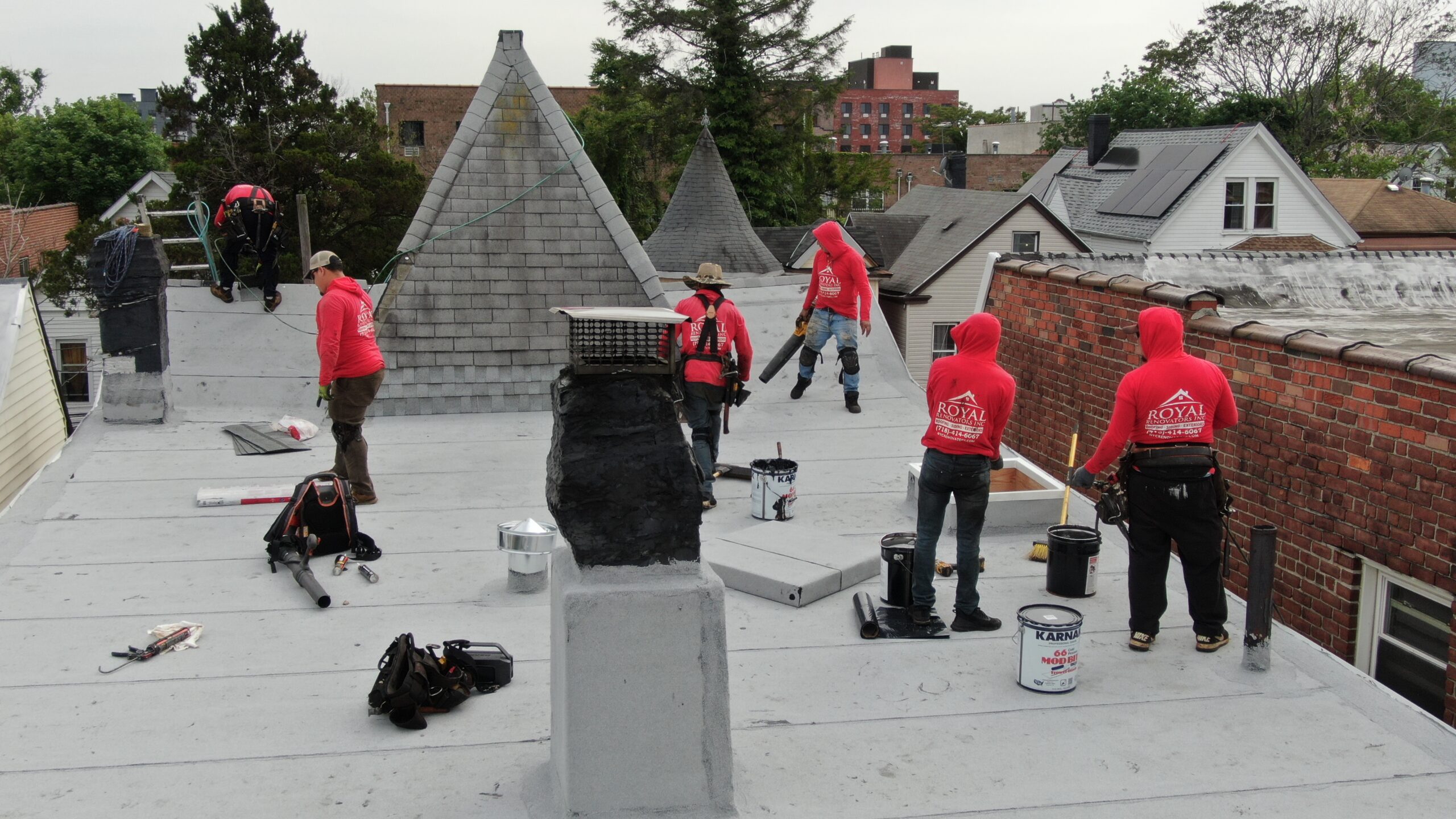
Flat roofing systems are widely used across the Bronx, especially in residential properties such as townhouses, brownstones, and multifamily buildings. These roofing systems are designed for efficiency and space optimization, but they also require regular inspections to maintain performance. Unlike sloped roofs, flat roofs depend heavily on proper drainage, waterproofing, and structural integrity to prevent water damage.
A well-maintained flat roof can last for decades, but without regular inspections, minor issues can quickly develop into costly repairs. For homeowners in the Bronx, understanding what to look for during a roof inspection is essential for protecting their property and ensuring long-term durability.
Why Regular Roof Inspections Are Important
Flat roofs face constant exposure to environmental elements, including rain, snow, and temperature fluctuations. Over time, these conditions can impact the roofing membrane, drainage systems, and structural components.
In the Bronx, where weather conditions vary throughout the year, routine inspections help identify issues before they become severe. Regular inspections not only extend the lifespan of the roof but also reduce the risk of unexpected repairs.
A proactive approach to maintenance ensures that the roofing system continues to perform effectively and protects the interior of the building.
Inspecting the Roofing Membrane
The roofing membrane is the primary barrier that protects the building from water infiltration. Materials such as EPDM, TPO, and modified bitumen are commonly used for flat roofs in the Bronx.
During an inspection, it is important to check for signs of wear such as cracks, punctures, blisters, or seam separation. These issues may seem minor at first but can lead to leaks if left unaddressed.
The condition of the membrane provides valuable insight into the overall health of the roofing system. Identifying damage early allows for timely repairs and prevents further deterioration.
Checking for Ponding Water
Ponding water is one of the most common issues associated with flat roofs. This occurs when water remains on the roof surface for an extended period after rainfall.
Standing water can place additional weight on the roof and accelerate the breakdown of roofing materials. It is often a sign of drainage problems or uneven roof surfaces.
During an inspection, areas where water tends to accumulate should be carefully evaluated. Addressing ponding issues helps maintain the structural integrity of the roof.
Evaluating Drainage Systems
Proper drainage is critical for the performance of flat roofing systems. Roof drains, scuppers, and gutters work together to remove water from the roof.
During an inspection, these components should be checked for blockages, damage, or improper installation. Debris such as leaves and dirt can obstruct water flow, leading to accumulation and potential leaks.
Ensuring that drainage systems are functioning correctly is one of the most effective ways to prevent water-related damage.
Inspecting Flashing and Roof Penetrations
Flashing is installed around areas where the roof meets vertical surfaces or penetrations such as vents, chimneys, and HVAC units. These areas are particularly vulnerable to water infiltration.
During an inspection, flashing should be checked for signs of damage, loose connections, or deterioration. Even small gaps can allow water to enter the building.
Properly maintained flashing helps ensure that these vulnerable areas remain sealed and protected.
Checking Structural Integrity
Flat roofs must maintain their structural integrity to support both the roofing system and any additional weight from water or equipment. Over time, structural issues can develop due to prolonged exposure to moisture or inadequate support.
Signs of structural concerns may include sagging areas, uneven surfaces, or visible deformation. These issues should be addressed promptly to prevent further damage.
Evaluating the structure during inspections helps ensure that the roof remains safe and stable.
Identifying Signs of Interior Damage
Roof inspections should not be limited to the exterior. Interior signs of damage can provide important clues about the condition of the roof.
Water stains on ceilings, peeling paint, mold growth, or unusual odors may indicate that moisture has entered the building. These signs often point to underlying roofing issues that require attention.
Addressing interior damage early helps prevent further complications and protects the overall structure.
Seasonal Inspection Considerations in the Bronx
Seasonal changes play a significant role in the performance of flat roofs. Winter weather can cause materials to contract and crack, while summer heat can lead to expansion and wear.
In the Bronx, inspections should be conducted after winter to assess any damage caused by snow and ice. Similarly, inspections before heavy rain seasons help ensure that drainage systems are functioning properly.
Adapting inspection practices to seasonal conditions helps maintain the roof’s performance throughout the year.
Importance of Professional Roof Inspections
While basic inspections can be performed by homeowners, professional inspections provide a more detailed assessment of the roofing system. Roofing experts have the experience and tools needed to identify issues that may not be visible during a standard inspection.
Professional inspections also help ensure that repairs are carried out correctly and that the roofing system meets industry standards. For flat roof homes in the Bronx, professional evaluations are an essential part of long-term maintenance.
Conclusion
Regular roof inspections are a critical part of maintaining flat roofing systems in Bronx homes. From evaluating the membrane and drainage systems to identifying structural concerns, each aspect of the inspection plays a role in protecting the property.
By taking a proactive approach and addressing issues early, homeowners can extend the lifespan of their roofs and avoid costly repairs. Understanding what to look for during an inspection helps ensure that flat roofs remain durable and reliable.
If you need a professional roof inspection for your flat roof home in the Bronx, Royal Renovators Inc. is here to help. Our experienced team provides detailed inspections, reliable recommendations, and long-term roofing solutions tailored for NYC properties. Call us (718) 414-6067 today to schedule your inspection and protect your home.
Frequently Asked Questions About Flat Roof Inspection in Bronx Homes
How often should flat roofs be inspected in the Bronx?
Flat roofs should be inspected at least once or twice per year and after major storms to identify potential issues early.
What are common signs of flat roof damage?
Common signs include ponding water, cracks in the membrane, leaks, and interior water stains.
Why is ponding water a problem for flat roofs?
Ponding water adds weight and accelerates material deterioration, increasing the risk of leaks and structural damage.
Can roof inspections prevent major repairs?
Yes. Regular inspections help detect minor issues early, preventing them from developing into costly repairs.
Do I need a professional for roof inspection?
While basic checks can be done by homeowners, professional inspections provide a more thorough evaluation and accurate recommendations.