
If you walk through neighborhoods across Queens or other parts of New York City, you will quickly notice a common architectural feature: flat roofs. From residential row houses and apartment buildings to commercial properties and warehouses, flat roofing systems are widely used throughout the city.
This design choice is not accidental. Flat roofs have become a practical solution for urban environments where space efficiency, structural simplicity, and accessibility are important considerations. For property owners in Queens, flat roofing provides a reliable system that can withstand city conditions while offering several functional benefits.
Understanding why flat roofing is so common in Queens and NYC buildings can help homeowners and property managers make informed decisions about roof maintenance, repairs, or replacements.
The Architectural History of Flat Roofs in NYC
New York City’s building landscape developed during a period when maximizing space and efficiency was critical. Many residential properties in Queens, Brooklyn, and Manhattan were designed as row houses or multi-family buildings. These structures required simple roof systems that could be constructed quickly and economically.
Flat roofs provided the ideal solution. Unlike sloped roofs that require more materials and complex framing, flat roofs can be built using simpler structural systems. This design made them cost-effective for builders while still offering reliable protection against weather.
Over time, flat roofs became the standard design for many urban buildings. Today, the majority of residential and commercial structures across Queens still rely on flat roofing systems.
Efficient Use of Space in Urban Areas
One of the main reasons flat roofing is common in Queens is the efficient use of space it provides. In densely populated cities, every square foot matters. Flat roofs allow property owners to use rooftop areas for additional purposes.
In many buildings, the roof is used to house HVAC equipment, water tanks, and ventilation systems. Some properties also utilize rooftop spaces for solar panels, green roofing systems, or recreational areas.
Because flat roofs provide easy access and usable space, they are especially practical in urban environments where land is limited.
Easier Installation and Construction
Another advantage of flat roofing systems is the relatively straightforward construction process. Compared to sloped roofs, flat roofs require fewer structural components and are easier to install on large buildings.
This simplified construction process made flat roofing a popular choice during the rapid development of neighborhoods across Queens and other boroughs. Builders could construct large residential and commercial properties efficiently while maintaining structural reliability.
Even today, flat roofing systems remain a preferred option for many contractors because they offer practical installation and maintenance advantages.
Ideal for Multi-Family and Commercial Buildings
Queens contains a large number of multi-family homes, apartment complexes, and mixed-use properties. Flat roofs are particularly well suited for these types of structures.
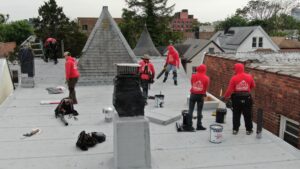
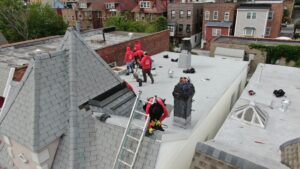
Large buildings require roofing systems that can cover wide surface areas efficiently. Flat roofs provide a consistent surface that can easily accommodate mechanical systems, rooftop access points, and maintenance pathways.
Commercial properties also benefit from flat roofing because it allows building owners to perform inspections and repairs more easily compared to steeply sloped roofs.
Modern Flat Roofing Materials Improve Durability
While flat roofs have been used for decades, modern roofing materials have significantly improved their performance and longevity. Today’s flat roofing systems are designed to provide strong waterproof protection while resisting weather damage.
Materials commonly used for flat roofing systems include EPDM rubber membranes, TPO roofing, and modified bitumen. These materials are specifically engineered to handle temperature fluctuations, rainfall, and exposure to sunlight.
Advances in roofing technology have made flat roofs more durable and energy-efficient than older roofing systems used in the past.
Weather Conditions in Queens Support Flat Roofing
New York City experiences a mix of seasonal weather conditions including rain, snow, and fluctuating temperatures. Flat roofing systems are designed to handle these conditions effectively when installed and maintained properly.
Drainage systems play an important role in ensuring flat roofs perform well during rainfall. Properly designed drains and gutters allow water to flow off the roof efficiently, preventing water accumulation.
When combined with durable waterproof membranes, flat roofs provide reliable protection against the weather patterns common in Queens.
Accessibility for Roof Maintenance
Roof maintenance is an important part of protecting any building. Flat roofs offer the advantage of easier accessibility compared to steep roofs.
Maintenance professionals can walk safely across flat roofing surfaces to inspect materials, repair damage, and maintain drainage systems. This accessibility makes it easier to perform routine inspections and address minor issues before they become serious problems.
For property owners in Queens, accessible roofing systems help ensure maintenance can be performed quickly and efficiently.
Energy Efficiency Benefits of Flat Roofs
Modern flat roofing systems can also improve energy efficiency for buildings. Reflective roofing materials are often used to reduce heat absorption from sunlight. This helps maintain more stable indoor temperatures and reduces cooling costs during summer months.
Some flat roofs are also designed to support green roofing systems that incorporate vegetation. Green roofs provide insulation, absorb rainwater, and contribute to improved environmental sustainability.
These energy-saving features make flat roofing an attractive option for many property owners across Queens.
Importance of Professional Roof Inspections
Although flat roofs provide many benefits, they require proper maintenance to remain effective. Because flat roofs do not naturally shed water like sloped roofs, drainage systems and waterproof membranes must remain in good condition.
Regular roof inspections help identify potential problems such as membrane cracks, drainage blockages, or flashing damage. Detecting these issues early allows property owners to perform repairs before leaks or structural damage occur.
Professional inspections ensure that flat roofing systems continue to protect buildings effectively throughout the year.
The Future of Flat Roofing in NYC
As New York City continues to evolve, flat roofing systems are expected to remain a common architectural feature. Urban planners and architects continue to develop innovative uses for rooftop spaces, including solar energy systems and green infrastructure.
Flat roofs offer flexibility that allows buildings to adapt to changing environmental and technological needs. For homeowners and property managers in Queens, maintaining a well-constructed flat roofing system remains one of the most effective ways to protect their property.
Conclusion
Flat roofing has become a defining characteristic of many buildings across Queens and New York City. Its practical design, efficient construction, and ability to support modern rooftop technologies make it a logical choice for urban environments.
From maximizing space in dense neighborhoods to providing easy access for maintenance, flat roofing systems offer several advantages for residential and commercial properties. With modern roofing materials and proper maintenance, flat roofs can provide durable protection for decades.
For property owners in Queens, understanding how flat roofing systems function and maintaining them regularly ensures that their buildings remain safe, efficient, and well protected against the elements.
Frequently Asked Questions About Flat Roofing in Queens and NYC
Why are flat roofs common in Queens and NYC buildings?
Flat roofs are common in Queens and NYC because they are efficient for urban construction, require fewer structural materials, and allow rooftop space to be used for equipment, solar panels, and other building systems.
Are flat roofs durable enough for New York weather?
Yes. Modern flat roofing materials such as EPDM, TPO, and modified bitumen are designed to handle temperature changes, rain, and snow when installed and maintained properly.
How long do flat roofs typically last?
Depending on the materials used and the level of maintenance, flat roofs can last between 20 and 30 years. Regular inspections help extend their lifespan.
Do flat roofs require more maintenance than sloped roofs?
Flat roofs require regular inspections to ensure drainage systems remain clear and waterproof membranes remain intact. Routine maintenance helps prevent leaks and structural damage.
Can flat roofs support rooftop installations?
Yes. Flat roofs are commonly used to support HVAC equipment, solar panels, green roofs, and rooftop recreational areas because they provide stable and accessible surfaces.