Roof ventilation plays a critical role in protecting your home from heat moisture and long term structural damage. In cities like Queens New York where homes experience hot summers cold winters and varying humidity levels proper airflow through the roof system is essential. Roof ventilation helps regulate attic temperature improves indoor comfort and extends the life of roofing materials.
Whether you live in a single family home or manage a residential property understanding how roof ventilation works allows you to make informed decisions that protect your attic roof and entire home structure.
What Is Roof Ventilation
Roof ventilation refers to the controlled movement of air through the attic and roof system. It allows hot moist air to escape while bringing in cooler fresh air from outside. Adding roof ventilation helps prevent heat buildup moisture accumulation and premature roof aging.
Adding roof ventilation is not just about comfort but also about maintaining structural integrity. Many modern homes rely on a balanced system that includes intake vents and exhaust vents working together.
How Roof Ventilation Works in Residential Homes
Understanding how roof ventilation works begins with airflow balance. Cool air enters through intake vents placed near the eaves or soffits. Warm air naturally rises and exits through exhaust systems such as adding roof ventilation systems or roof ridge ventilation.
This cycle of airflow keeps attic temperatures stable and reduces stress on insulation and roofing materials.
Why Roof Ventilation Is Important for Your Attic
The attic is one of the most vulnerable areas of a home. Without proper roof ventilation heat and moisture become trapped leading to multiple problems. Attic roof ventilation helps prevent condensation mold growth and insulation damage.
In Queens many homes have limited attic space which makes proper roof ventilation even more important to maintain indoor comfort year round.
Common Attic Problems Caused by Poor Roof Ventilation
When proper roof ventilation is missing homeowners may notice mold growth warped wood peeling paint and ice dams during winter. Excess heat trapped in the attic also forces HVAC systems to work harder increasing energy costs.
Benefits of Proper Roof Ventilation for Your Home
Installing roof ventilation for homes provides both immediate and long term advantages. One of the most noticeable benefits is improved energy efficiency. With proper airflow homes stay cooler in summer and retain warmth during winter.
Other key benefits include longer roof lifespan reduced moisture damage and improved indoor air quality. Roof ventilation installation also protects shingles membranes and structural components from premature deterioration.
Roof Ventilation Benefits for Homes in Queens NY
Queens homes often include attached buildings flat roofs and mixed roofing styles. Best roof ventilation methods help manage heat buildup common in urban neighborhoods while improving comfort and durability.
Roof Ventilation Types
There are several roof ventilation types designed to suit different roof structures and climates. Choosing the right system depends on roof slope attic space and building layout.
Intake Ventilation Options
Intake vents allow fresh air to enter the attic. These are commonly placed along soffits or roof edges and work together with exhaust vents to create continuous airflow.
Exhaust Ventilation Options
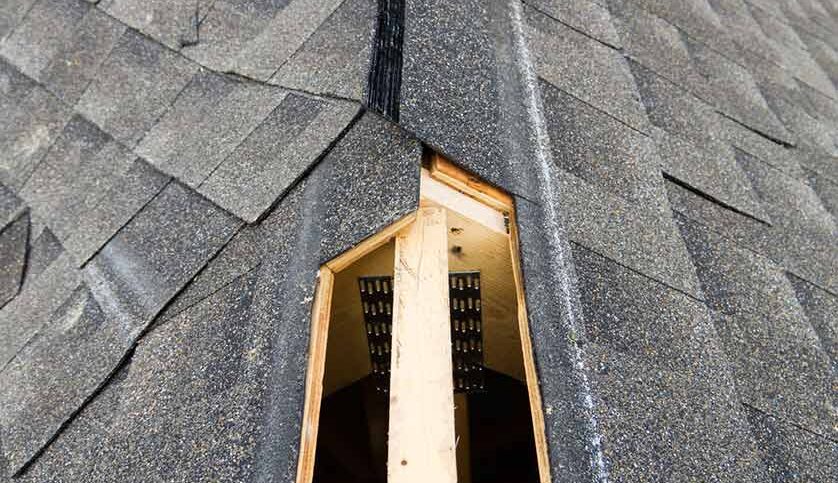
Exhaust systems include roof ridge ventilation roof ventilation cap and powered vents. Some buildings also use a roofing air ventilator or ventilator in roof systems to actively remove hot air.
Other solutions include roof ventilation pipe systems shed roof ventilation and greenhouse roof ventilation depending on structure type.
Roof Ventilation for Flat and Low Slope Roofs
Flat and low slope roofs require special attention because airflow behaves differently compared to sloped roofs. Moisture and heat can become trapped more easily making ventilation essential.
Proper ventilation supports Flat Roof lifespan by reducing thermal stress. It also improves the performance of roof coatings for plat roofs and protects commercial and residential flat roofs from long term damage.
Queens properties often rely on experienced professionals such as a flat roof contractor to ensure correct ventilation placement across different flat roof types. When issues arise a flat roof repair contractor can evaluate ventilation efficiency and make necessary improvements.
Why Roof Ventilation Is Critical for Flat Roofs in Queens
Dense construction limited airflow and urban heat make roof ventilation essential for flat roof systems in Queens. Proper vent placement prevents moisture buildup and membrane failure.
Signs Your Home Needs Better Roof Ventilation
Some warning signs indicate inadequate ventilation. These include high cooling bills uneven indoor temperatures condensation on attic surfaces and frequent roof repairs. A visible roof ventilation pipe or damaged roof ventilation cap can also signal airflow problems.
If these signs appear it is time to evaluate attic roof ventilation performance.
Professional Roof Ventilation Installation vs DIY
Roof ventilation installation requires technical knowledge to avoid imbalance or air leaks. Incorrect placement can trap moisture instead of releasing it.
Professional installers understand building codes airflow calculations and best roof ventilation methods for each roof type. This ensures long term performance and compliance with local regulations.
How Roof Ventilation Improves Roof Longevity
Proper airflow reduces heat stress and moisture exposure which are two main causes of roof failure. With proper roof ventilation roofing materials maintain their integrity and resist cracking blistering and rot.
This results in fewer repairs and extended roof lifespan for both sloped and flat roofing systems.
Roof Ventilation Maintenance Tips for Homeowners
Routine inspection is essential to keep ventilation systems working properly. Homeowners should ensure vents are clear of debris check seals around caps and confirm airflow pathways remain open.
Seasonal inspections before summer and winter help prevent costly damage.
Conclusion
Roof ventilation is not optional for modern homes. It is a necessary system that protects your attic, roof structure, and overall home comfort. In Queens, New York, where weather conditions vary significantly, proper roof ventilation delivers long-term energy savings and structural protection.
Investing in the right ventilation system today helps avoid major repairs tomorrow. If you need professional guidance or installation services, contact Royal Renovators Inc. today at (718) 414-6067 for reliable roofing solutions and expert support.
Frequently Asked Questions About Roof Ventilation
What is roof ventilation and why is it important?
Roof ventilation allows hot and moist air to escape from the attic while bringing in fresh air. It helps regulate temperature, prevents moisture damage, and extends the lifespan of the roof.
How do I know if my home has poor roof ventilation?
Common signs include high energy bills, uneven indoor temperatures, mold growth in the attic, condensation, and frequent roofing problems.
Is roof ventilation necessary for flat roofs?
Yes, flat roofs require proper ventilation to prevent heat buildup and moisture accumulation, especially in urban environments like Queens.
Does roof ventilation help reduce energy costs?
Proper roof ventilation reduces attic heat buildup, allowing HVAC systems to work more efficiently and helping lower energy costs.
How often should roof ventilation be inspected?
Roof ventilation should be inspected at least once a year and after severe weather conditions to maintain proper airflow and system performance.