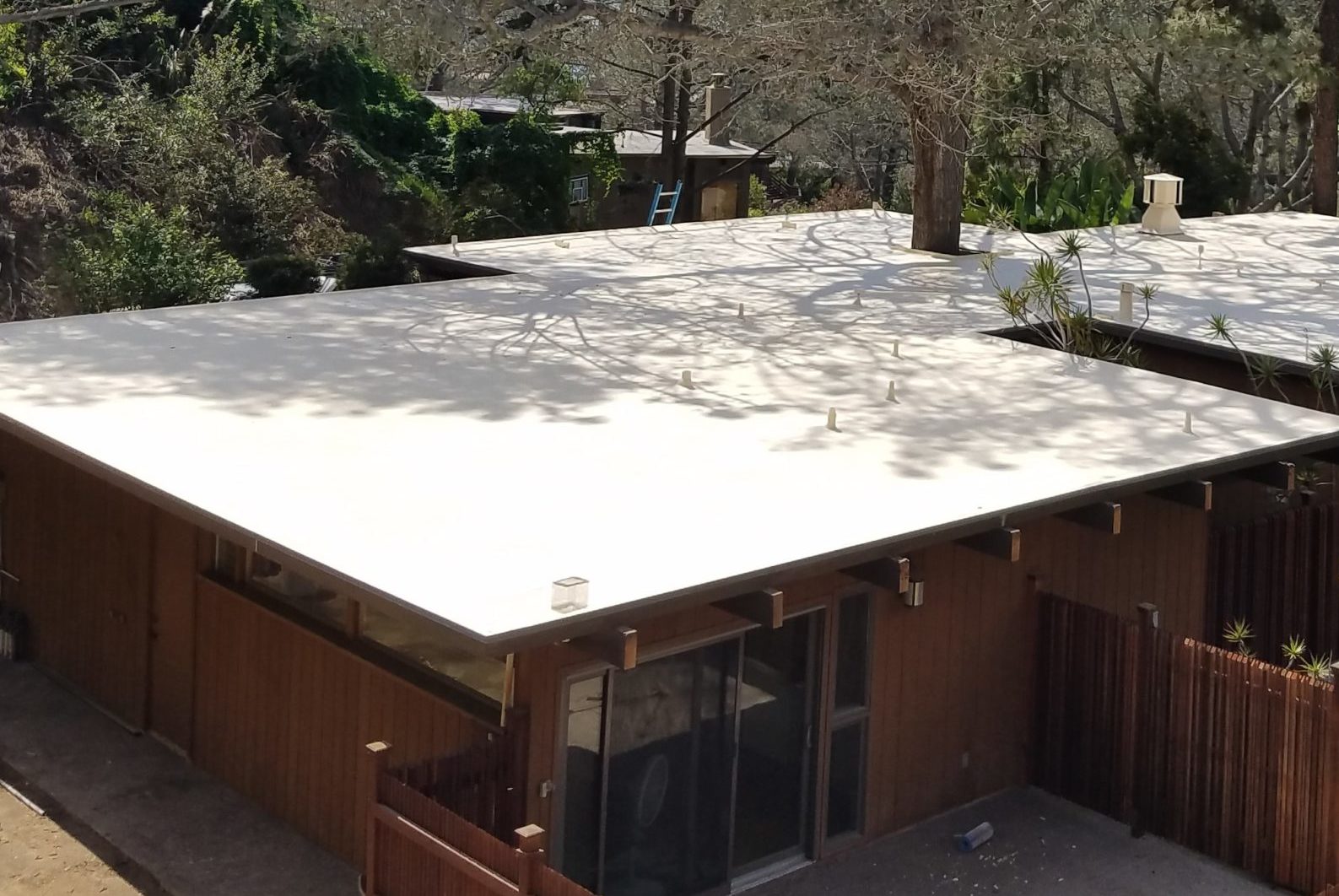
Flat roofs are common across Queens homes because they provide practical rooftop space and easier access for maintenance. Homeowners often step onto roofs to inspect storm damage, clean drains, service HVAC units, or perform seasonal maintenance.
Still, many people wonder whether walking on flat roofing materials is actually safe. The answer depends on the roofing system, roof age, and membrane condition. Some roof surfaces are designed to support occasional foot traffic while others can become damaged from repeated use.
Understanding how different Flat Roofing Materials respond to pressure can help homeowners avoid safety risks and costly roofing repairs.
Can You Walk On Every Flat Roof Material?
Why The Answer Depends On Roofing Material
Not every roofing surface responds the same way to foot traffic. Membrane strength, structural support, and material durability all determine whether roof access is safe.
Some flat roof materials tolerate occasional maintenance traffic much better than others.
Residential And Commercial Roofs Are Different
Residential roofs often support only limited maintenance access. Larger buildings and commercial properties may use stronger commercial roofing materials designed for repeated activity and service access.
Commercial systems often contain reinforced layers for greater durability.
Why Some Flat Roof Materials Become Unsafe
Even durable roofing systems weaken with age. Moisture intrusion, UV exposure, and changing weather conditions slowly reduce membrane performance.
Many Queens homeowners schedule roof inspection services before walking on older roofing systems.
How Flat Roofing Materials Affect Walkability
Not all flat roofing materials perform equally when exposed to foot traffic. Some systems handle maintenance access well while others become vulnerable to punctures and wear.
Understanding the risks of walking on flat roofing materials helps homeowners determine which roof surfaces require additional caution.
| Flat Roofing Material | Foot Traffic Rating | Durability | Common Application |
| EPDM Roofing | Moderate | High | Residential roofs |
| TPO Roofing | Moderate | High | Energy-efficient homes |
| PVC Roofing | Moderate | High | Commercial buildings |
| Modified Bitumen | High | Very High | Maintenance access roofs |
| Built-Up Roofing | High | High | Older buildings |
| Walkable Roof Deck Membranes | Very High | Very High | Rooftop decks |
Understanding different flat roof materials helps property owners make safer roofing decisions.
Best Flat Roof Material For Walking On Modified Bitumen Roofing
Modified bitumen contains multiple protective layers that increase puncture resistance and membrane durability. It is often considered the best flat roof material for walking on because it performs well under regular maintenance access.
This material is commonly installed where service access is expected.
Walkable Roof Deck Membranes
Some systems are designed specifically for foot traffic. Walkable roof deck membranes provide added durability and are often used for rooftop patios and outdoor spaces.
These systems support frequent movement while reducing surface wear.
EPDM Roofing Systems
EPDM remains one of the most reliable residential roofing options. Flexible rubber surfaces handle occasional maintenance traffic better than many traditional roofing systems.
Many homeowners choose EPDM roofing systems because of their durability and weather resistance.
TPO Roofing Systems
TPO roofing offers strong waterproofing and reflective performance. Professional TPO roofing installation creates stronger seams and improves long-term roof durability.
For homeowners searching for a flat roofing material you can walk on, installation quality matters as much as the material itself.
What Happens When You Walk On The Wrong Flat Roof Material?
Membrane Punctures
Walking improperly across roofing surfaces can puncture membranes and weaken protective layers. Sharp footwear and concentrated pressure often accelerate roof wear.
Small membrane openings eventually become larger issues.
Water Leaks
Damaged roofing systems allow moisture to enter insulation and roof decking. Water intrusion may create interior stains and long-term structural concerns.
Understanding the common causes of flat roof leaks helps reduce future roofing damage.
Roof Surface Cracking
Older roofs become more vulnerable to cracking after years of weather exposure. Repeated pressure often increases roofing deterioration.
Surface damage may shorten overall roof lifespan.
Structural Stress
Weak roof decking beneath roofing membranes may struggle to support repeated pressure. Hidden moisture often creates additional risks.
Ignoring early warning signs usually increases repair costs.
Faster Roof Aging
Excessive roof traffic slowly reduces roofing performance and durability. Constant wear creates greater maintenance requirements over time.
Routine inspections help preserve roofing systems.
Warning Signs Your Flat Roof Material Should Not Be Walked On
Ponding Water
Standing water creates slippery conditions and may indicate drainage concerns. Ponding water also weakens roofing materials over time.
Drainage issues should be corrected before roof access.
Roof Sagging
Visible sagging often signals trapped moisture or structural weakness beneath the roofing system.
Professional evaluation becomes important when roof sections begin sinking.
Cracks And Blisters
Visible blisters and cracks often indicate roofing deterioration. Walking on damaged areas may worsen the problem.
Many homeowners contact flat roof repair services after noticing these warning signs.
Soft Roof Areas
Soft roof areas beneath membranes may indicate moisture damage or deteriorating decking.
Structural inspections should occur before accessing weakened areas.
Existing Roof Leaks
Active leaks often suggest more widespread roofing problems. Walking on compromised surfaces can worsen existing damage.
Roof inspections help determine safe access.
Safety Tips Before Walking On Flat Roof Materials
Wear Proper Footwear
Soft-soled shoes improve grip while reducing membrane wear. Heavy footwear creates concentrated pressure that may damage roofing systems.
Proper footwear also improves balance.
Inspect Roof Conditions First
Inspect for standing water, visible cracks, and weak sections before accessing the roof.
Professional roof waterproofing solutions can strengthen vulnerable roofing areas.
Avoid Roof Access During Rain Or Snow
Wet roofing surfaces become slippery and dangerous. Snow and ice may also hide weak areas beneath the membrane.
Weather conditions should always be considered.
Walk Carefully And Limit Foot Traffic
Walking slowly distributes body weight more evenly across roofing surfaces.
Following proper flat roof maintenance tips helps improve long-term performance.
Schedule Routine Maintenance
Routine inspections identify roofing concerns before they become larger issues.
Preventive maintenance significantly improves roof lifespan.
How Professional Roofing Inspections Protect Queens Homes
Detect Weak Roofing Areas
Roofing professionals inspect flashing, seams, membranes, and decking for hidden deterioration.
This process identifies structural concerns before they become severe.
Improve Roof Safety
Professional evaluations help determine whether roofs can safely support maintenance access.
Many homeowners explore roof replacement options after discovering major roofing deterioration.
Extend Roof Lifespan
Routine maintenance preserves membrane performance and reduces long-term roofing wear.
Professional care improves roofing reliability.
Prevent Major Roofing Repairs
Early inspections often prevent emergency roofing issues and expensive structural repairs.
Many properties rely on roofing solutions providers for ongoing maintenance.
Conclusion
Before walking on flat roofing materials, homeowners should understand that roof condition, membrane strength, and structural support all influence safety. Not every roofing system is designed for repeated foot traffic.
Some roofing systems such as modified bitumen, EPDM, and specialized walkable surfaces generally perform better than others. Proper inspections and routine maintenance help reduce future roofing damage and improve long-term durability.
Frequently Asked Questions
Can every flat roof material be walked on?
No. Some roofing materials support occasional foot traffic while others become unsafe because of age or damage.
What is the best flat roof material for walking on?
Modified bitumen and walkable roof deck membranes are often considered the strongest choices for regular foot traffic.
Can walking damage flat roofing materials?
Yes. Improper foot traffic can puncture roofing membranes and create long-term roofing issues.
What are walkable roof deck membranes?
These roofing systems are specifically designed for rooftop areas that experience regular foot traffic.
How often should flat roofs be inspected?
Flat roofs should be professionally inspected at least twice yearly and after major weather events.