Flat roofing systems are widely used across commercial buildings, apartment complexes, and residential properties. While they offer design flexibility and cost efficiency, they also come with unique fire-related challenges. Flat Roofing Fire Safety is not just a compliance requirement, it is a critical part of protecting lives, property, and long-term investments.
In dense urban areas like Queens, where buildings are close together and rooftop equipment is common, understanding fire risks and prevention strategies becomes even more important. This guide explains the risks, materials, regulations, and best practices that help reduce fire hazards on flat roofs.
Understanding Flat Roofing Fire Safety
Flat roofs behave differently from sloped roofing systems when exposed to heat or open flames. Their design allows equipment, foot traffic, and utilities to sit directly on the surface, increasing exposure to potential ignition sources.
Fire safety for flat roofs focuses on controlling how a roof reacts to heat, limiting flame spread, and reducing ignition risks caused by installation or maintenance activities. When these factors are overlooked, even small issues can escalate into serious fire incidents.
Why Flat Roofs Are More Vulnerable to Fire Risks
Flat roofs tend to retain heat longer than sloped roofs. Materials are installed in layers, and if combustible components are used without proper fire ratings, the risk increases. Rooftop HVAC units, electrical lines, and drainage systems further add to fire exposure.
Common Causes of Flat Roof Fires
Some of the most frequent causes include aging membranes, poor electrical insulation, unattended hot work during repairs, and debris buildup. Without routine Flat Roof Inspections, these issues often go unnoticed until damage occurs.
Key Fire Risks Associated With Flat Roofing Systems
Understanding risks is the foundation of flat roofing fire prevention. Most fire hazards develop gradually and are linked to material choices or maintenance gaps.
Combustible Roofing Materials
Certain older roofing systems contain materials that ignite easily under high temperatures. When fire-rated assemblies are not used, flames can spread rapidly across the roof surface.
Drainage and Moisture-Related Risks
Poor drainage allows water to pool, weakening insulation and membranes. Over time, this deterioration can expose underlying layers to heat sources, increasing the likelihood of fire spread.
Rooftop Equipment and Penetrations
Mechanical units, vents, and skylights introduce openings in the roof. If flashing fails or wiring is exposed, these penetration points can become ignition zones. Following roof Safety Precautions during installation and repairs helps reduce these risks.
Fire-Resistant Flat Roofing Materials Explained
Choosing the right materials plays a major role in flat roof fire protection. Modern systems are designed to meet strict fire performance standards while maintaining durability.
Modified Bitumen Roofing and Fire Ratings
Modified bitumen systems are engineered with reinforced layers that offer strong resistance to heat. When properly installed, they provide reliable protection and meet common fire rating requirements.
TPO and PVC Roofing Performance
Single-ply membranes such as TPO and PVC are widely used due to their heat-welded seams and fire-resistant properties. These materials are often preferred for commercial buildings because they limit flame spread and improve overall safety.
Built-Up Roofing Systems
Built-up roofing systems use multiple layers of bitumen and reinforcing fabrics. When installed with fire-rated assemblies, they deliver long-lasting protection and help slow fire progression. Many property owners also consider ire resistant flat roofing materials when upgrading older systems.
For long-term safety, selecting appropriate Roofing Materials and pairing them with professional installation is essential.
Fire Safety Regulations and Codes in the United States
Flat roofing fire safety is governed by national and local regulations. These standards ensure roofs perform safely under fire exposure and limit risks to occupants and neighboring properties.
National Fire Safety Standards
Across the United States, roofing systems are tested and classified based on their resistance to external fire exposure. Ratings such as Class A, B, and C indicate how well a roof assembly withstands flame spread.
Local Fire Safety Requirements in Queens
In Queens, local building codes align with national standards but also account for urban density and mixed-use properties. Compliance is especially important for multi-family buildings and commercial spaces. Working with experienced contractors familiar with local requirements helps ensure every installation meets code expectations.
Best Practices for Flat Roofing Fire Prevention
Prevention is always more effective than repair. A proactive approach reduces risks and extends the life of the roofing system.
- Schedule routine Flat Roof Inspections to identify early signs of damage
- Keep rooftop surfaces clear of debris and flammable materials
- Ensure electrical components and HVAC systems are properly insulated
- Follow manufacturer guidelines for repairs and coatings
Regular Roof Maintenance plays a key role in identifying fire hazards before they escalate.
Fire Safety During Flat Roof Installation and Repairs
Many fire incidents occur during roofing work rather than daily use. Flat roof installation fire safety should never be overlooked.
Managing Hot Work Risks
Torch-applied systems and welding tools must be handled carefully. Contractors should use fire-resistant barriers, maintain fire watches, and keep extinguishers on-site during hot work operations.
Choosing Qualified Roofing Professionals
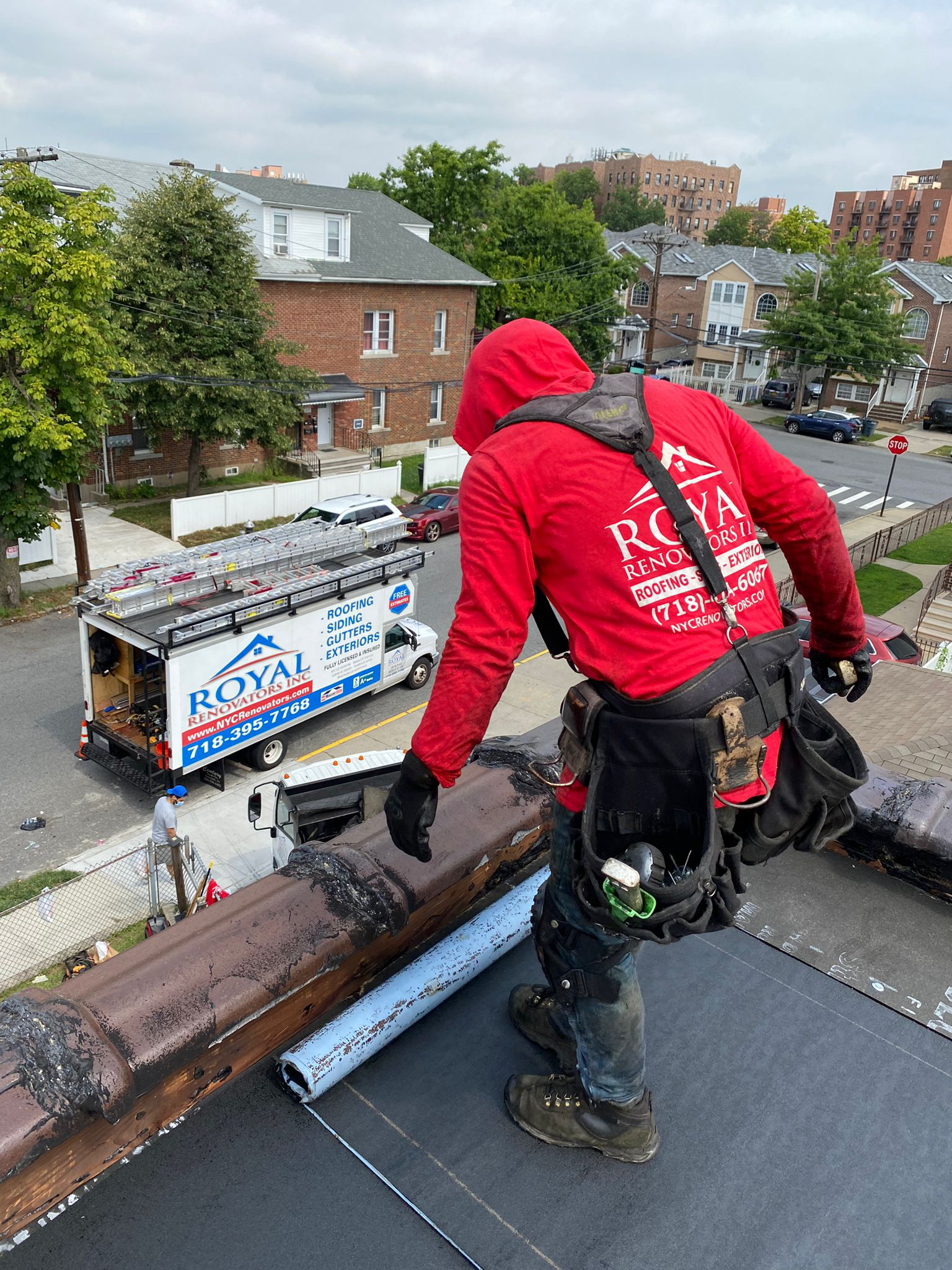
Hiring licensed professionals who follow documented roof Safety Precautions significantly lowers fire risks. Experienced teams understand how to protect insulation layers, manage open flames, and comply with safety standards during every phase of the project.
Why Flat Roofing Fire Safety Matters in Queens
Queens features a mix of residential buildings, warehouses, retail spaces, and offices, often sharing close boundaries. A single roofing fire can impact multiple properties within minutes.
Investing in flat roofing fire protection not only helps meet regulations but also protects occupants, minimizes insurance risks, and preserves property value. Local expertise ensures that roofing systems are built to handle both environmental and fire-related challenges.
Conclusion
Flat Roofing Fire Safety is a vital responsibility for every property owner. From selecting fire-resistant materials to following strict installation and maintenance practices, every decision plays a role in reducing fire risks.
If you own or manage a property in Queens, partnering with professionals who understand local regulations and modern roofing systems can make a lasting difference. A well-maintained, fire-safe flat roof protects your building today and safeguards its future.
If you are planning a roof upgrade, inspection, or safety assessment, speak with a trusted flat roofing specialist to ensure your property meets current fire safety standards. Call Royal Renovators Inc. at (718) 414-6067 today to schedule a professional consultation and get expert guidance you can rely on.
FAQs
Are flat roofs more prone to fire hazards than sloped roofs?
Flat roofs can face higher fire risks due to heat retention, rooftop equipment, and layered materials, but proper design and maintenance greatly reduce these risks.
What materials offer the best fire resistance for flat roofs?
TPO, PVC, modified bitumen, and properly rated built-up roofing systems provide strong fire resistance when installed correctly.
How does regular maintenance help prevent flat roof fires?
Routine inspections identify damaged membranes, exposed wiring, and debris buildup that could otherwise become ignition sources.
Is fire safety important during flat roof repairs?
Yes, many fires occur during repair work. Following safety procedures during hot work is essential for preventing accidents.
Do flat roofs in Queens need to meet specific fire codes?
Yes, flat roofs must comply with national fire ratings and local building regulations designed for dense urban environments.