Flat roofs have become one of the most popular roofing styles for residential and commercial properties because of their modern appearance, affordability, and space efficiency. Many homeowners are now exploring flat roofing DIY projects to save installation costs while learning practical roofing skills.
A properly installed flat roof provides strong weather protection, better drainage performance, and long-term durability. However, flat roofing installation requires proper planning, waterproofing, and material selection to prevent future roofing issues such as leaks and standing water.
Understanding Flat Roofing Systems
Flat roofing systems are modern roofing structures designed with minimal slope to support water drainage while maximizing usable roof space for residential and commercial properties.
What Is a Flat Roof?
A flat roof is a low-slope roofing system commonly used on garages, modern homes, commercial buildings, and extensions. Unlike traditional pitched roofing systems, flat roofs provide a cleaner architectural appearance and easier roof accessibility.
Many homeowners choose flat roofing for homes because flat roofs are cost-effective and easier to maintain compared to some traditional roofing styles.
Common Flat Roofing Materials
Several roofing materials are commonly used in modern flat roofing systems including EPDM rubber roofing, modified bitumen, TPO membranes, and built-up roofing systems.
Each material offers different benefits related to durability, waterproofing performance, and installation cost.
Why Flat Roof Waterproofing Is Important
Proper flat roof waterproofing helps prevent moisture penetration, roof leaks, and structural roofing damage caused by standing water and weather exposure.
Without proper waterproofing, flat roofs may develop drainage problems and costly long-term roof damage.
Tools and Materials Needed for Flat Roofing DIY
Before starting a flat roofing DIY project, homeowners should gather all required tools and roofing materials to ensure a smooth installation process.
Basic Roofing Tools
Most DIY roofing projects require tools such as utility knives, rollers, roofing adhesive, measuring tape, ladders, sealants, and safety equipment.
Using proper tools helps improve installation quality and roofing accuracy.
Roofing Materials Selection
Choosing the right roofing materials is one of the most important steps in flat roof installation.
Many homeowners researching roofing materials for summer heat choose reflective roofing membranes because they improve energy efficiency and reduce roof surface temperatures during warmer seasons.
Safety Equipment and Preparation
Roofing projects involve height-related risks, making safety preparation extremely important.
Homeowners should use proper footwear, gloves, roofing harnesses, and weather monitoring before starting installation work.
Step By Step Flat Roofing DIY Installation
Flat roofing DIY installation involves preparing the roof surface, installing waterproofing materials, sealing joints, and ensuring proper drainage for long-term roof protection.
Step 1 – Remove Existing Roofing Materials
The first step in replacing a flat roof DIY projects is removing damaged roofing materials and inspecting the roof deck for structural problems.
Old roofing layers, moisture damage, and weak decking should be repaired before installing new roofing materials.
Step 2 – Prepare the Roof Deck
The roof deck must be clean, dry, and structurally stable before installation begins.
Proper roof preparation improves waterproofing performance and helps roofing materials bond correctly to the surface.
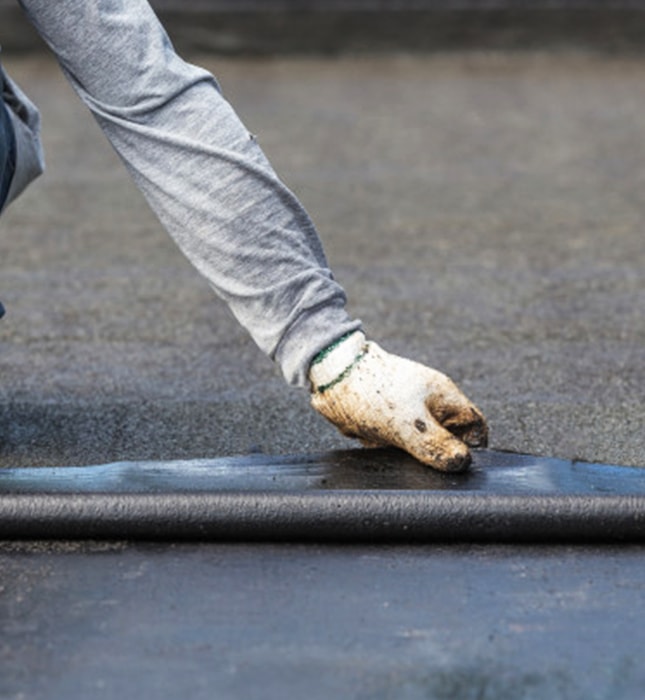
Step 3 – Install Waterproofing Membrane
Installing waterproof roofing membranes is one of the most important parts of the installation process.
Proper membrane installation helps improve drainage performance and prevents leaks caused by standing water or weather exposure.
Many homeowners performing diy flat roof repair projects focus heavily on waterproofing because poor sealing is one of the most common causes of roof failure.
Step 4 – Seal Roof Joints and Flashing
Roof edges, flashing systems, and membrane seams must be sealed properly to prevent moisture penetration.
Correct sealing techniques are essential for long-term roof durability and leak prevention.
Step 5 – Final Roof Inspection
After installation is complete, the roofing surface should be inspected carefully for loose seams, drainage issues, and waterproofing gaps.
This final inspection helps ensure long-term roofing performance and weather protection.
How To Build a Flat Roof Properly
Building a flat roof correctly requires proper structural support, drainage planning, waterproofing preparation, and material installation for long-term roof durability.
Structural Support and Roof Framing
Understanding how to build a flat roof begins with proper roof framing and structural support.
The roof must support roofing materials, drainage systems, weather exposure, and potential snow loads safely.
Drainage System Planning
Although flat roofs appear level, they still require slight slope angles for proper water drainage.
Poor drainage is one of the biggest causes of expensive flat roof repair queens services.
Roof Ventilation and Insulation
Proper ventilation and insulation help reduce moisture buildup and improve energy efficiency inside the building.
These systems also improve indoor comfort and long-term roofing performance.
DIY Garage Flat Roof Replacement
DIY garage flat roof replacement projects are common because garage roofs are smaller, easier to access, and simpler to install compared to full residential roofing systems.
Why Garage Roofs Are Ideal for DIY Projects
Many homeowners start with diy garage flat roof replacement projects before attempting larger roofing installations.
Smaller roof areas allow homeowners to practice roofing installation techniques more safely and affordably.
Common Garage Roofing Mistakes
Common mistakes include poor waterproofing, weak drainage design, and improper seam sealing.
Avoiding these issues helps improve roof lifespan and weather resistance.
Choosing Durable Roofing Materials
Selecting strong waterproof roofing materials is essential for protecting garage roofs from leaks and weather damage.
Some homeowners compare flat roofing systems with traditional Shingle Roofing before choosing the best roofing style for their property.
Flat Roof Sealing Methods and Waterproofing
Flat roof sealing methods help strengthen roof waterproofing performance by protecting seams, flashing systems, and drainage areas from moisture penetration.
Common Flat Roof Sealing Methods
Several flat roof sealing methods are commonly used including liquid roof coatings, waterproof sealants, membrane adhesives, and reinforced flashing systems.
Each method helps improve waterproof protection and roof durability.
Preventing Future Roof Leaks
Proper waterproof sealing reduces the risk of future roof leaks and structural moisture damage.
Routine roof inspections also help identify drainage problems before larger repairs become necessary.
Roof Maintenance Tips
Regular cleaning and roof inspections help maintain flat roofing systems effectively.
Removing debris and checking drainage systems helps improve roof lifespan and waterproof performance.
Flat Roofing DIY Cost and Long-Term Value
Flat roofing DIY projects can reduce labor costs significantly while allowing homeowners to improve roofing durability and weather protection independently.
Understanding Flat Roofing DIY Cost
The total Flat roofing diy cost depends on roof size, roofing materials, waterproofing systems, and tool requirements.
Smaller DIY projects such as garages generally cost much less than complete residential roofing installations.
Long-Term Savings Benefits
DIY roofing projects may reduce labor expenses while improving roofing knowledge and maintenance skills.
However, installation quality remains extremely important for preventing future roofing repairs.
When Professional Help Is Necessary
Complex roofing projects, structural damage, and advanced waterproofing systems should always be handled by experienced flat roofing contractors.
Professional roofing contractors ensure proper drainage, waterproofing, and long-term roofing durability.
Conclusion
Flat roofing DIY projects can be an effective way to improve roofing performance, reduce labor costs, and learn valuable home improvement skills. However, successful roofing installation depends heavily on proper waterproofing, drainage planning, and roofing material selection.
Understanding how to install roofing membranes, seal roof joints, and maintain drainage systems helps improve long-term roofing durability and leak prevention. Whether performing a simple repair or a complete roof replacement, following proper roofing procedures is essential for protecting the property from future damage.
Homeowners looking for professional guidance or advanced roofing installation should work with trusted Flat roofing in Queens specialists experienced in modern flat roofing systems and waterproof roofing solutions.
Need professional flat roofing services or waterproof roof installation?
Call now: (718) 414-6067 for expert roofing assistance and flat roof solutions.