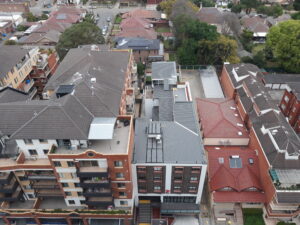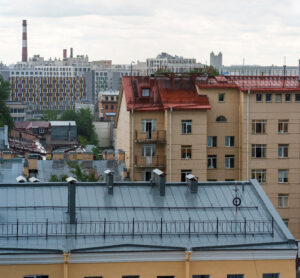
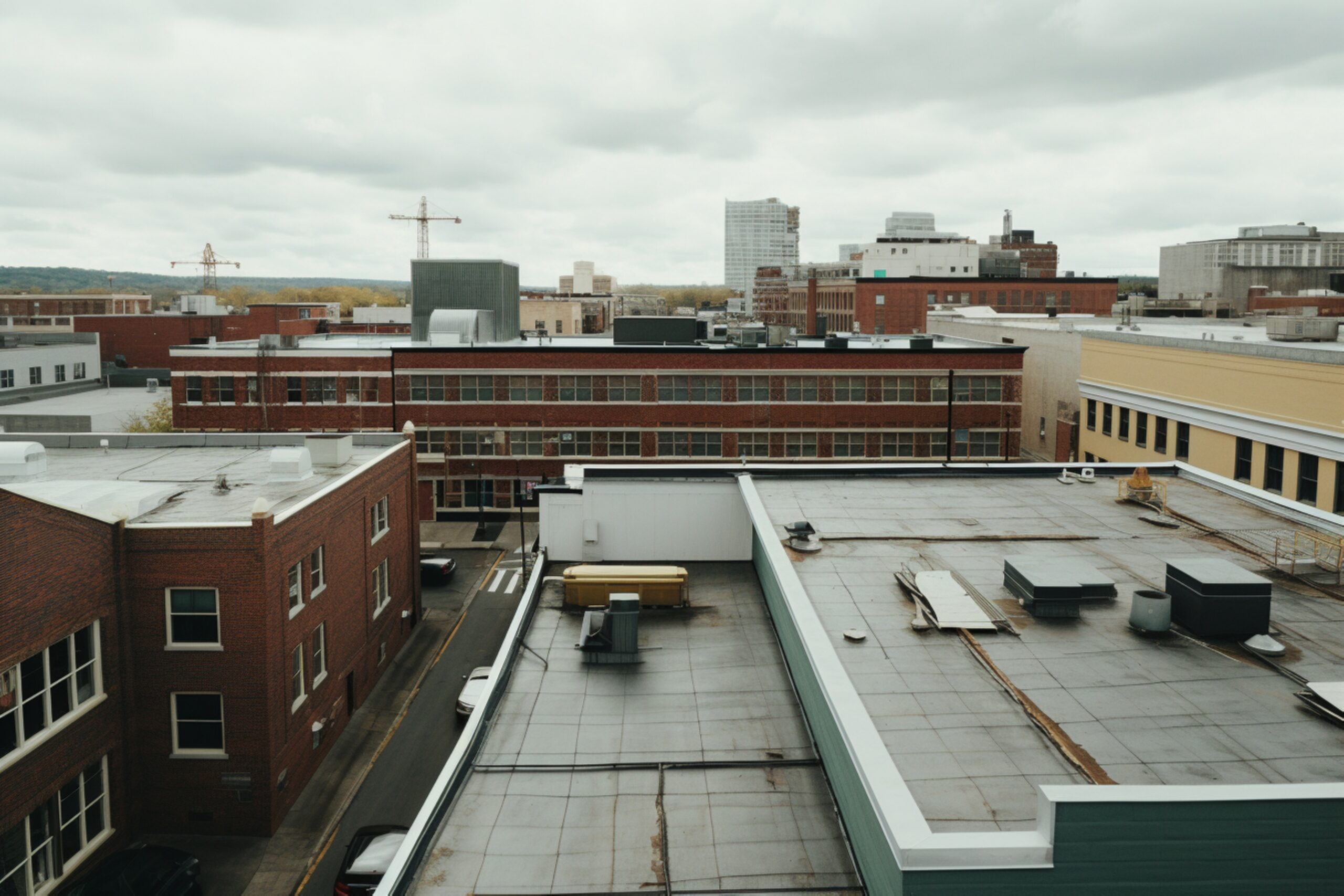
Flat roofing systems are one of the most common roofing styles used throughout New York City. From traditional townhouses and brownstones to multifamily apartment buildings and mixed-use properties, flat roofs are widely used because they are practical, space-efficient, and well-suited for dense urban environments.
Unlike sloped roofing systems, flat roofs require proper drainage planning, regular inspections, and consistent maintenance to perform effectively throughout changing weather conditions. NYC buildings experience constant exposure to heavy rain, snow, ice, UV rays, and temperature fluctuations, all of which can gradually affect roofing materials and drainage systems over time.
Townhouses and multifamily buildings face unique roofing challenges because they often share walls, drainage systems, and structural elements. A roofing problem in one area can quickly affect multiple units or sections of the property if maintenance is neglected.
Property owners and managers often overlook small roofing problems until leaks or structural damage become visible. However, preventative maintenance and routine inspections are essential for extending roof lifespan and reducing expensive repair costs.
This guide explains how flat roofing systems work in NYC townhouses and multifamily buildings, common drainage problems, inspection requirements, maintenance recommendations, and the best ways to protect flat roofs against long-term structural damage.
Why Flat Roofs Are Common in NYC Buildings
Flat roofs are widely used throughout NYC because they are efficient for urban construction and maximize usable building space. In crowded residential and commercial neighborhoods, flat roofs provide practical advantages that make them ideal for attached buildings and multifamily structures.
Many townhouses, apartment buildings, and mixed-use properties in NYC were designed with flat roofs because they allow easier access to rooftop equipment, drainage systems, and utility installations. Flat roofs can also support HVAC systems, skylights, rooftop decks, and other building features commonly found in urban properties.
Flat roofing systems are especially common in:
- Townhouses and brownstones
- Multifamily apartment buildings
- Commercial buildings
- Mixed-use properties
- Attached residential structures
While flat roofs offer many advantages, they also require proper drainage and regular maintenance to prevent water accumulation and structural damage.
Unlike sloped roofs, flat roofs rely heavily on drainage systems because water does not naturally run off as quickly. Even small drainage problems can eventually lead to leaks, ponding water, membrane deterioration, and costly repairs.
Flat Roofing Systems for Townhouses
Townhouses throughout NYC commonly use flat roofing systems because they fit efficiently within attached urban building designs. These roofing systems are often constructed with low-slope surfaces and waterproof membranes designed to direct water toward drains and gutters.
Because townhouses frequently share structural connections with neighboring buildings, roofing issues can sometimes spread between properties if water infiltration is not addressed quickly.
Flat roofs on townhouses are exposed to several environmental stress factors, including:
- Heavy rainfall
- Snow accumulation
- Freeze-thaw cycles
- UV exposure
- Wind-driven moisture
Over time, these conditions can gradually weaken roofing membranes, flashing, sealants, and drainage systems.
Many townhouse roofing systems use materials such as EPDM, TPO, or modified bitumen because they provide waterproofing protection and flexibility under changing weather conditions.
Regular roof inspections are especially important for townhouse properties because leaks may remain hidden for long periods before becoming visible inside walls or ceilings.
Roofing Challenges in Multifamily Buildings
Multifamily buildings present additional roofing challenges because larger structures often have more complex drainage systems and roofing layouts.
Property managers and building owners must monitor roofing systems carefully because even small roofing problems can affect multiple tenants or units.
Some of the most common roofing concerns in multifamily buildings include:
- Drainage system failures
- Ponding water on large roof surfaces
- Membrane deterioration
- Flashing damage around rooftop equipment
- Interior leaks affecting multiple units
- Structural moisture problems
Multifamily properties often contain HVAC systems, vents, skylights, and utility penetrations installed directly on the roof surface. These penetrations require proper flashing and sealing to prevent water intrusion.
Because roofing systems on multifamily buildings are larger and more heavily used, preventative maintenance is critical for reducing long-term repair costs and maintaining tenant safety.
Routine roof inspections help property managers identify drainage issues, membrane damage, and structural concerns before leaks become major problems.
Common Flat Roof Drainage Problems
Drainage performance is one of the most important factors affecting flat roof durability. Without proper drainage, water can remain on the roof surface and gradually damage roofing materials.
One of the most common flat roof drainage problems is ponding water. Ponding occurs when water remains on the roof for extended periods instead of draining properly.
Several factors can contribute to drainage issues, including:
- Clogged roof drains
- Debris accumulation
- Improper roof slope
- Damaged gutters or scuppers
- Structural sagging
Standing water increases stress on roofing membranes and can eventually lead to leaks, seam separation, and moisture intrusion beneath the roofing system.
Other signs of drainage problems may include:
- Water stains on ceilings
- Overflowing drains
- Mold or algae growth
- Bubbling roofing materials
- Sagging roof areas
Because flat roofs rely heavily on proper drainage design, routine inspections are essential for identifying problems early.
Why Roof Inspections Matter for NYC Properties
Roof inspections are one of the most important parts of maintaining flat roofing systems in NYC townhouses and multifamily buildings.
Many roofing problems begin as small issues that are difficult to identify without professional evaluation. Cracks, flashing damage, clogged drains, or membrane wear can gradually worsen if maintenance is delayed.
Routine inspections help identify:
- Drainage system blockages
- Flashing deterioration
- Roofing membrane damage
- Ponding water concerns
- Structural movement
- Moisture intrusion risks
Professional inspections are especially important after severe weather events such as heavy rain, snowstorms, or freezing temperatures.
For multifamily buildings, inspections also help property managers maintain documentation of roof conditions and preventative maintenance schedules.
Early detection allows property owners to complete repairs before roofing problems become more expensive or affect multiple units.
How Often Should Flat Roofs Be Inspected?
Flat roofs should generally be inspected at least twice a year and after major storms or severe weather conditions.
NYC buildings experience significant seasonal weather changes, which means roofing systems should be monitored before and after winter to ensure drainage systems and membranes remain in good condition.
Property owners should also schedule inspections if they notice:
- Recurring leaks
- Standing water after storms
- Ceiling stains or moisture damage
- Visible membrane cracking
- Overflowing drainage systems
Routine inspections help extend roof lifespan and reduce emergency repair costs.
Preventative Roof Maintenance Tips
Preventative maintenance is one of the best ways to protect flat roofing systems against leaks and structural deterioration.
Many roofing problems develop gradually because small maintenance issues are ignored for too long. Regular upkeep helps property owners identify concerns early and maintain long-term roofing performance.
Important maintenance practices include:
- Cleaning roof drains and gutters regularly
- Removing debris from roof surfaces
- Inspecting flashing around penetrations
- Monitoring ponding water after storms
- Scheduling seasonal roof inspections
Property owners should also limit unnecessary foot traffic on flat roofs to reduce the risk of punctures or membrane damage.
Preventative maintenance can significantly reduce long-term repair costs and improve overall roof durability.
Signs Your Flat Roof Needs Repairs
Flat roofing systems often show warning signs before major leaks or structural problems occur.
Property owners should contact a roofing professional if they notice:
- Persistent roof leaks
- Bubbling or blistering roofing membranes
- Cracked flashing or sealants
- Interior water stains
- Sagging roof sections
- Drainage overflow problems
Prompt repairs help prevent moisture intrusion, insulation damage, and structural deterioration.
In multifamily buildings, small roofing issues can quickly affect multiple units if repairs are delayed.
How Weather Impacts NYC Flat Roofs
NYC weather conditions can place significant stress on flat roofing systems throughout every season.
Heavy rain can create drainage problems and standing water if roof drains become blocked. Snow and ice accumulation during winter may increase structural stress and contribute to freeze-thaw damage.
UV exposure during warmer months can gradually weaken roofing membranes and reduce material flexibility over time.
Common weather-related roofing risks include:
- Ponding water
- Ice dam formation
- Membrane cracking
- Drainage system failure
- Flashing deterioration
Seasonal maintenance and inspections are essential for protecting flat roofs against long-term environmental damage.
When to Schedule Professional Roofing Services
Professional roofing services should be scheduled whenever roofing systems show signs of damage or drainage problems.
Property owners should contact roofing professionals if they experience:
- Roof leaks
- Standing water on flat surfaces
- Drainage issues
- Flashing damage
- Membrane deterioration
- Storm-related roof concerns
Professional roofing contractors can evaluate the overall condition of the roofing system and recommend appropriate repair or maintenance solutions.
Routine inspections and preventative maintenance help extend roof lifespan and improve long-term performance.
Conclusion
Flat roofing systems are widely used throughout NYC townhouses and multifamily buildings because they provide practical advantages for urban construction and property design. However, flat roofs also require proper drainage, routine inspections, and preventative maintenance to perform effectively throughout changing weather conditions.
Drainage problems, membrane deterioration, flashing damage, and weather exposure can all gradually affect roofing systems if maintenance is neglected. Understanding the unique roofing challenges faced by townhouses and multifamily buildings helps property owners protect their investment and reduce long-term repair costs.
Whether you own a residential townhouse, apartment building, or mixed-use property, maintaining your flat roof is an important part of protecting the building structure and ensuring reliable long-term roofing performance.
Need Professional Flat Roofing Services for Your NYC Property?
Whether you need roof inspections, drainage solutions, preventative maintenance, or flat roof repair services, Royal Renovators provides reliable roofing solutions for NYC townhouses, multifamily buildings, and commercial properties. At Royal Renovators Inc. our team helps property owners protect their roofing systems and maintain long-term performance throughout every season.
Call now (718) 404-6067 to schedule a roof inspection, request a free estimate, or discuss your roofing concerns with our team today.