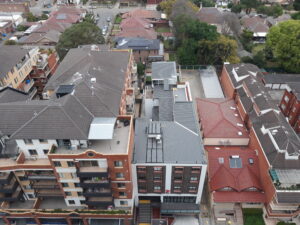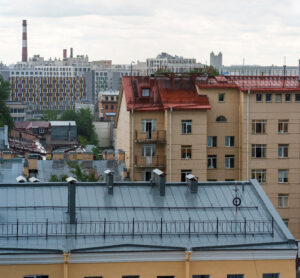
Flat roofing systems are one of the most common roofing styles used throughout New York City. From multifamily buildings and mixed-use properties to townhouses and commercial structures, flat roofs are widely used because they are practical, space-efficient, and suitable for dense urban construction. However, flat roofs also require proper maintenance and drainage planning to perform effectively throughout the year.
NYC weather conditions can place significant stress on flat roofing systems. Heavy rain, snow, ice buildup, strong winds, UV exposure, and seasonal temperature fluctuations can all contribute to roof deterioration over time. Without regular inspections and maintenance, property owners may begin to notice leaks, ponding water, membrane damage, flashing failures, and structural wear that can lead to expensive repairs.
Many roofing issues start as small problems that gradually become larger if they are ignored. Minor cracks, blocked drains, trapped moisture, or loose flashing can eventually lead to water intrusion, interior damage, mold growth, insulation problems, and reduced roof lifespan. Understanding the most common flat roof problems and how to prevent them can help property owners protect their investment and avoid unnecessary repair costs.
This guide explains the most common flat roof problems in NYC, the causes of roof leaks and drainage issues, warning signs to watch for, and the best ways to maintain a flat roofing system for long-term performance.
Common Flat Roof Problems in NYC Buildings
Flat roofs are designed differently from sloped roofing systems. While they appear level, they are actually built with a slight slope to allow water to drain properly. Because drainage is critical, even small issues can quickly affect the entire roofing system if not addressed early.
Common flat roof issues include:
- Ponding or standing water
- Roof membrane cracks or blistering
- Flashing separation around penetrations
- Drainage system blockages
- Roof seam deterioration
- Water intrusion near HVAC units
One of the most common flat roof problems in NYC is ponding water. Ponding occurs when water remains on the roof surface for extended periods instead of draining away properly. This often happens because of clogged drains, poor roof slope, sagging areas, or drainage design issues. Standing water can gradually weaken roofing membranes and increase the risk of leaks.
Roof membrane damage is another common issue. Flat roofing materials such as EPDM, TPO, and modified bitumen can crack, blister, puncture, or separate over time due to weather exposure and aging. NYC roofs experience constant expansion and contraction because of seasonal temperature changes, which can place stress on roofing materials and seams.
Flashing failure is also a major concern. Flashing is installed around vents, chimneys, HVAC systems, skylights, and roof edges to prevent water intrusion. If flashing becomes loose, cracked, or improperly sealed, water can enter beneath the roofing system and cause interior damage.
Drainage system problems are especially common in older NYC buildings. Blocked drains, damaged scuppers, clogged gutters, and poor water flow can cause water accumulation that affects both the roof and structural components of the building.
Property owners may also experience issues related to roof shrinkage, deteriorating sealants, poor installation practices, and neglected maintenance. Over time, these problems can reduce roof lifespan and lead to expensive restoration work if not handled properly.
What Causes Flat Roof Leaks?
Flat roof leaks can develop for many different reasons, and in many cases, the visible leak inside the building is not located directly beneath the actual roof damage. Water can travel beneath roofing materials and insulation before eventually entering the building interior.
One of the leading causes of flat roof leaks is aging roofing materials. As roofing systems become older, membranes lose flexibility and become more vulnerable to cracking and separation. UV exposure from sunlight can also weaken roofing surfaces over time.
Poor drainage is another major contributor to leaks. When water remains on the roof surface for extended periods, it places additional stress on roofing materials and seams. Ponding water can slowly penetrate weak areas and create hidden moisture damage beneath the membrane.
Damaged flashing around roof penetrations is another common source of leaks. HVAC systems, vents, skylights, and pipe penetrations require proper sealing to prevent water intrusion. If flashing deteriorates or becomes loose, water can enter through vulnerable areas.
Extreme weather conditions in NYC can also contribute to leaks. Heavy rainstorms, snow accumulation, ice dams, and freeze-thaw cycles place stress on roofing systems and can accelerate deterioration. High winds may lift roofing materials or expose seams, increasing the risk of water intrusion.
Improper roof installation is another factor that can lead to recurring leak issues. Poor workmanship, low-quality materials, incorrect drainage design, or inadequate sealing techniques can all shorten the lifespan of a flat roof.
Routine inspections are important because early signs of roof leaks are often difficult to identify without professional evaluation.
Signs Your Flat Roof Has Drainage Problems
Drainage problems are one of the biggest threats to flat roofing systems in NYC. Without proper drainage, water accumulation can lead to leaks, structural stress, and membrane deterioration.
Warning signs may include:
- Water remaining on the roof after rainfall
- Interior ceiling stains or moisture spots
- Overflowing drains or gutters
- Sagging roof areas
- Mold or algae growth near drainage points
One of the clearest signs of drainage issues is standing water that remains on the roof more than 48 hours after rainfall. This usually indicates poor slope design or blocked drainage systems.
Water stains on ceilings or walls inside the building may also suggest drainage-related roof leaks. Moisture entering through roofing materials can spread through insulation and structural components before becoming visible indoors.
Other warning signs include sagging roof areas, algae or mold growth, bubbling roof membranes, and visible debris accumulation around drains or gutters. Overflowing gutters and water spilling down building exteriors may also indicate drainage problems.
In some cases, drainage issues can affect the building foundation or masonry surfaces if water is not properly directed away from the structure.
Because many NYC buildings have older drainage systems, regular inspections and maintenance are essential for identifying potential issues before they become severe.
How Pooling Water Damages Flat Roofs
Pooling water is one of the most damaging conditions for flat roofing systems. Even durable roofing materials can deteriorate more quickly when exposed to standing water for extended periods.
When water sits on the roof surface, it increases pressure on roofing membranes and seams. Over time, this can lead to membrane separation, blistering, cracking, and accelerated wear. Small defects may eventually become major leak points.
Pooling water can also weaken insulation beneath the roofing system. Moisture trapped inside insulation reduces energy efficiency and increases the risk of mold growth and interior water damage.
In colder months, standing water can freeze and expand, placing additional stress on roofing materials. Freeze-thaw cycles are especially damaging because repeated expansion and contraction can worsen existing cracks and weak points.
Structural sagging may also develop if excessive water weight remains on the roof over time. This can further worsen drainage performance and create a cycle of ongoing roof deterioration.
Preventing ponding water requires proper roof slope, functional drainage systems, and regular maintenance.
How to Prevent Flat Roof Leaks
Preventing flat roof leaks starts with proactive maintenance and regular inspections. Many roof leaks can be avoided if small issues are identified and repaired early.
One of the most important maintenance tasks is keeping drains, gutters, and scuppers clear of debris. Leaves, dirt, and other obstructions can prevent proper drainage and contribute to water accumulation.
Regular roof inspections are also essential. Property owners should inspect flat roofs at least twice a year and after severe storms. Early signs of membrane damage, flashing deterioration, or drainage issues should be addressed immediately.
Professional roof maintenance helps extend roof lifespan and flat roof drainage solutions reduce the risk of major repairs. Maintenance services may include seam inspections, flashing repairs, drainage evaluations, membrane patching, and protective coating applications.
Limiting unnecessary roof traffic can also help prevent punctures and membrane damage. Rooftop equipment maintenance should be performed carefully to avoid damaging roofing materials.
Preventative maintenance steps include:
- Cleaning drains and gutters regularly
- Scheduling seasonal roof inspections
- Repairing flashing and seams early
- Removing debris buildup from the roof surface
- Checking for standing water after storms
In NYC, seasonal weather preparation is especially important. Roofs should be inspected before winter to ensure proper drainage and prevent ice-related damage.
When to Call a Roofing Professional in NYC
Some roofing problems can appear minor at first but may actually indicate hidden structural or moisture issues. Property owners should contact a roofing professional if they notice recurring leaks, standing water, visible membrane damage, sagging areas, or interior water stains.
Professional roofing contractors can perform detailed inspections to identify the source of leaks and evaluate the overall condition of the roofing system. In many cases, early repairs can prevent more extensive damage and reduce long-term costs.
Roofing professionals can also recommend the most appropriate repair or replacement solutions based on the roof age, material condition, drainage performance, and building structure.
Property owners should schedule inspections if they notice:
- Recurring roof leaks
- Pooling water on flat surfaces
- Bubbling or cracked roofing membranes
- Interior water stains
- Loose flashing or drainage issues
For multifamily buildings and commercial properties, regular roof inspections are especially important because undetected roof damage can affect multiple units and increase liability concerns.
Flat Roof Maintenance Tips for NYC Property Owners
Routine maintenance is one of the most effective ways to extend the lifespan of a flat roofing system. Property owners should schedule regular inspections and address small problems before they worsen.
Maintaining proper drainage is essential throughout the year. Drains and gutters should be cleaned regularly to prevent clogs and standing water.
Roof surfaces should also be checked for cracks, punctures, loose seams, and membrane wear. Flashing around penetrations should remain properly sealed and secure.
Property owners should also monitor rooftop HVAC systems and equipment because leaks can sometimes develop around mechanical units.
Preventative maintenance helps reduce emergency repairs, improve roof performance, and protect the long-term condition of the building.
Conclusion
Flat roofs are a practical and widely used roofing system throughout NYC, but they require regular maintenance and proper drainage to perform effectively. Leaks, ponding water, flashing failures, and drainage problems are among the most common issues affecting flat roofs in residential and commercial buildings.
Understanding the warning signs of roof damage and addressing issues early can help property owners avoid expensive repairs and extend roof lifespan. Routine inspections, preventative maintenance, and professional roofing evaluations are essential for protecting flat roofing systems against NYC weather conditions.
Need Help With Flat Roof Problems or Leaks in NYC?
Whether you’re dealing with roof leaks, drainage issues, ponding water, or membrane damage, Royal Renovators Inc. provides reliable flat roofing solutions for residential and commercial properties across NYC. Our team helps property owners identify roofing problems early and deliver long-term repair and maintenance solutions designed for New York weather conditions.
From flat roof inspections and leak detection to drainage improvements and roof repair services, we are committed to helping protect your property and extend the lifespan of your roofing system.