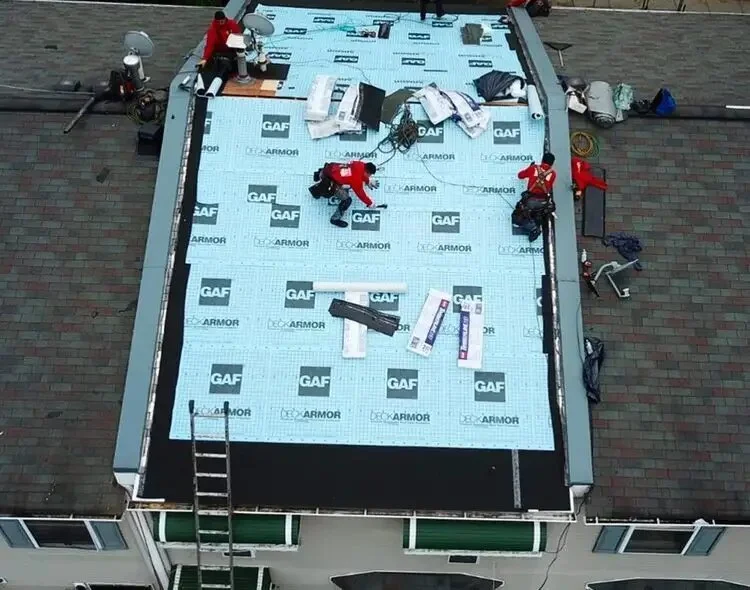
Modern roofing has moved beyond basic protection and structural functionality. Property owners today also consider visual appeal, durability, energy efficiency, and design flexibility when choosing roofing systems. The increasing popularity of flat roofing materials has created more opportunities for homeowners and commercial property owners to explore roofing surfaces that provide both performance and architectural style.
Traditional flat roofs were often viewed as simple and functional structures with limited design possibilities. Modern technology has changed that perception significantly. Today’s roofing systems include textured surfaces, decorative finishes, and patterned materials that create a more appealing appearance while maintaining structural strength.
Textured and patterned roofing solutions can improve aesthetics while supporting long term durability. Whether designing residential or commercial spaces, understanding available roofing material choices helps create smarter investment decisions.
Textured and Patterned Flat Roofing Materials
Modern construction trends focus heavily on combining performance with design flexibility. Roofing systems no longer function only as protective barriers because they now contribute to overall building appearance and energy performance.
Architects and property owners increasingly look for roofing systems that complement exterior design themes. This growing demand has encouraged manufacturers to develop more creative roofing surface options.
Modern Roofing Material Options
Advancements in manufacturing technologies allow roofing products to offer improved durability and more attractive design features.
Benefits of Textured Roof Surfaces
Many modern buildings use textured roofing materials because they provide visual depth and practical performance benefits. Textures can create a more attractive appearance while helping surfaces manage environmental conditions more effectively.
Textured surfaces can also reduce visible wear and create improved resistance against certain weather conditions. Some roofing materials include subtle finishes while others feature stronger texture patterns for visual enhancement.
| Roofing Material Style | Main Benefit | Common Application |
| Smooth Membrane Surface | Easy maintenance | Commercial buildings |
| Textured Surface Finish | Improved appearance | Residential properties |
| Patterned Surface Design | Visual enhancement | Modern structures |
| Reinforced Surface Systems | Added durability | High traffic roof areas |
Material appearance should complement building design while maintaining long term performance expectations.
Benefits of Textured Roof Surfaces
Surface texture can influence moisture behavior, appearance retention, and overall maintenance requirements.
Why Patterned Roofing Is Popular
Architectural trends increasingly support patterned flat roofing because it allows property owners to achieve a more customized appearance.
Unlike traditional flat surfaces, patterned systems create visual variation and can improve the overall character of a building. Decorative elements often become useful when creating modern architectural designs.
Important design considerations include:
- Building style and exterior appearance
• Environmental conditions and weather exposure
• Long term maintenance expectations
• Roofing material compatibility
Property owners should balance appearance goals with practical roofing performance requirements.
Roofing Patterns and Visual Appeal
Pattern variations can enhance building appearance without sacrificing roofing functionality.
Flat Roof Membrane Materials
Many roofing systems rely on flat roof membrane materials because they provide flexibility and reliable waterproofing performance.
Membrane materials remain popular because they protect roof structures while supporting different design possibilities. These materials can also integrate textured finishes and decorative surface features.
Several flat roof material types offer varying levels of durability, flexibility, and appearance options.
Membrane Roofing Benefits
Membrane systems help reduce water penetration risks and improve roofing durability.
Residential vs Commercial Roofing Needs
Roofing needs vary significantly depending on property type. A residential flat roofing system often prioritizes appearance and comfort while commercial flat roofing projects may focus more heavily on performance and maintenance efficiency.
Property owners should understand how building usage affects roofing decisions.
Different structures may require different materials based on expected traffic, weather exposure, and maintenance requirements.
Choosing Materials by Property Type
Building purpose often determines which roofing materials create the most effective long-term results.
Modern Flat Roofing Design
The demand for modern flat roofing materials continues growing because property owners want systems that combine appearance with functionality.
Many modern roofing systems offer flat roof texture designs and decorative elements that improve visual appeal while maintaining performance.
Educational resources about Shingle Roofing, roofing materials for summer heat, and flat roofing contractors often help property owners better understand available roofing options.
Businesses also strengthen website structure through internal resources such as flat roof repair queens and Flat roofing in Queens, creating a more connected user experience.
Design and Performance Benefits
Modern materials create opportunities for improved visual appearance and stronger structural performance.
Flat Roof Surface Options
Property owners should evaluate different flat roof surface options before selecting a roofing system. Surface design affects maintenance needs, durability, and overall performance throughout the roof lifespan.
Some roofing systems prioritize appearance while others focus on durability and weather resistance.
Common roofing concerns include:
- Surface wear over time
• Moisture related damage
• Environmental exposure effects
• Long term maintenance costs
Selecting appropriate materials early often reduces future maintenance concerns.
How Surface Characteristics Support Better
Surface performance directly affects roof lifespan and maintenance requirements.
Why Durable Roofing Systems Continue Supporting
Many property owners prioritize durable flat roofing systems because roofing investments should provide value over many years.
Strong roofing materials improve protection, reduce repair frequency, and support better building performance.
Some property owners also choose decorative roofing materials because they combine structural protection with visual enhancement.
How Durable Roofing Materials Support
Quality roofing systems often reduce future repair expenses and improve property performance.
Conclusion
Modern roofing design continues evolving as materials become more advanced and visually appealing. Textured and patterned surfaces create opportunities for property owners to improve building appearance while maintaining long-term durability and functionality.
Understanding available flat roofing materials helps property owners make informed decisions that support appearance, protection, and overall roofing performance.
Need expert roofing solutions or professional assistance for your next project? Contact Royal Renovators Inc. today at
(718) 414-6067 or visit us at 118-35 Queens Blvd, Forest Hills, NY 11375 and discover reliable service you can trust.
Frequently Asked Questions About Flat Roofing Materials
What are textured roofing materials?
Textured roofing materials include surface finishes designed to improve appearance and enhance roofing performance.
Why are patterned flat roofing systems becoming popular?
Patterned systems create visual appeal and support modern architectural design preferences.
What are common flat roof membrane materials?
Common membrane materials include EPDM, TPO, PVC, and modified bitumen systems.
Do textured roofing surfaces affect maintenance requirements?
Surface characteristics can influence cleaning needs and long-term maintenance patterns.
Are decorative roofing materials suitable for residential properties?
Yes. Decorative roofing materials are commonly used in residential projects to improve visual appearance.