A well planned flat roof design can completely transform the comfort, appearance, and functionality of a building. Modern property owners are no longer using roofs only as protective structures. Today roofs contribute to energy efficiency, indoor comfort, architectural style, and overall property value. One of the biggest priorities in modern construction is creating spaces that receive more daylight while maintaining proper airflow throughout the building.
Natural light and ventilation improve indoor environments in many ways. Bright spaces often feel larger and more inviting while good airflow helps reduce moisture buildup and improves indoor air quality. Whether designing a home or a commercial structure, understanding how roof design affects light and ventilation can help create better living and working spaces.
How Flat Roof Planning Improves Natural Lighting & Ventilation
Roof planning plays an important role in determining how sunlight enters interior spaces and how air circulates throughout a building. Poor planning can create dark rooms, increased heat retention, and reduced comfort levels.
Modern architects often use roof openings, ventilation structures, and strategic positioning techniques to maximize building performance. A carefully designed roof can reduce dependence on artificial lighting and support a healthier indoor environment.
How Roof Positioning Improves Comfort & Environmental Performance
The orientation of a roof affects sunlight exposure and determines how air enters and exits indoor spaces throughout the day.
How Residential Flat Roof Designs Shape Modern Architecture
Natural lighting improves visual comfort while helping reduce energy consumption. Buildings that receive more daylight often require less artificial lighting during daytime hours.
Many homeowners now prioritize natural light roof design because it combines functionality with modern architectural appeal.
Properties that maximize daylight exposure often create brighter environments and support energy savings throughout the year.
How Sunlight Distribution Improves Visibility & Energy Efficiency
Balanced daylight exposure improves room visibility and decreases dependency on indoor lighting systems.
Why Modern Roof Styles Improve Functionality
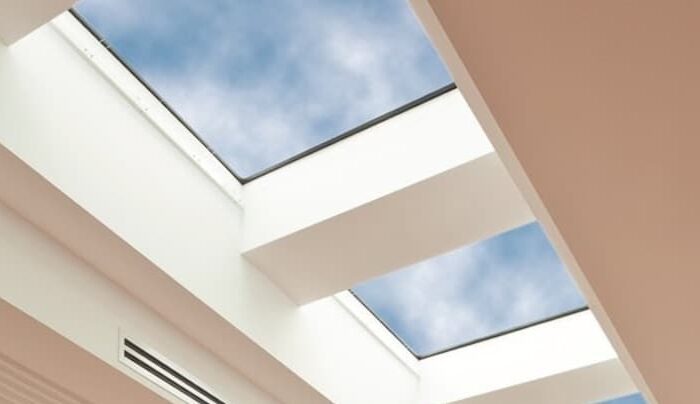
One of the most popular solutions for increasing natural lighting involves installing flat roof skylights. Skylights allow sunlight to enter spaces that may otherwise receive limited daylight through standard windows.
The placement of skylights directly affects performance. Poor placement can increase heat gain while strategic placement creates balanced lighting.
Important design elements to consider:
- Skylight size and positioning
• Building orientation and sun exposure
• Interior room function and layout
• Climate and seasonal weather conditions
Skylights should complement overall building design rather than function as isolated features.
How Sunlight Improves Visibility & Energy Efficiency
Proper skylight placement can reduce shadows and create more balanced indoor lighting conditions.
How Drainage Systems Protect Roof Performance
Ventilation is equally important when designing efficient roofing systems. Without airflow, buildings can experience humidity problems, excess heat buildup, and poor indoor comfort.
Effective roof ventilation systems help regulate airflow by moving stale air outside and allowing fresh air circulation.
Proper flat roof ventilation becomes especially important in properties located in warmer climates where heat accumulation may affect indoor comfort.
Learning How Ventilation Systems Reduce Heat Accumulation and Improve Indoor Air Movement
Consistent airflow helps maintain comfortable indoor temperatures and supports healthier indoor conditions.
How Roof Insulation Supports Ventilation & Energy Performance
Ventilation and insulation often work together. Many people focus heavily on airflow while overlooking the importance of insulation performance.
High quality flat roof insulation helps regulate indoor temperatures while reducing energy loss. Proper insulation also limits heat transfer that may create uncomfortable indoor conditions.
Buildings that combine insulation with ventilation systems often perform more efficiently over long periods.
How Insulation Improves Temperature Control & Indoor Comfort
Proper insulation reduces energy waste and creates a more consistent indoor environment throughout changing seasons.
Why Drainage Impacts Roof Lifespan & Maintenance
A residential flat roof has become increasingly popular because of its clean appearance and practical benefits. Modern architecture frequently uses flat roof systems because they support outdoor living spaces and energy efficient construction methods.
A modern flat roof design often incorporates ventilation structures, roof windows, and lighting features that improve functionality.
Homeowners looking for long term roofing performance often benefit from educational resources about Shingle Roofing, roofing materials for summer heat, and flat roofing contractors.
Businesses can also strengthen website structure naturally through related resources such as flat roof repair queens and Flat roofing in Queens.
Why Modern Roof Styles Improve Functionality & Design
Modern roofing systems combine aesthetics and performance to create efficient building environments.
How Drainage Systems Protect Long-Term Roof Performance
Roof drainage remains one of the most important parts of roofing design. Even though flat roofs appear level, they actually contain slight slopes that direct water toward drainage systems.
Proper flat roof drainage helps prevent standing water, structural damage, and moisture related issues.
Common drainage concerns include:
- Water accumulation after storms
• Drain blockages from debris
• Moisture penetration issues
• Long term surface deterioration
Poor drainage performance often creates expensive repair problems over time.
How Drainage Impacts Roof Lifespan & Maintenance
Efficient drainage systems help protect roofing materials and improve long term durability.
Conclusion
Modern roofing systems provide much more than weather protection. A carefully designed roofing structure can improve lighting, increase airflow, reduce energy consumption, and create healthier indoor environments. Understanding how flat roof design supports these elements allows property owners to make smarter construction decisions.
Whether building a new property or improving an existing structure, investing in proper planning often creates better comfort and stronger long-term performance.
Need expert roofing solutions or professional assistance for your next project? Contact Royal Renovators Inc. today at
(718) 414-6067 and discover reliable service you can trust.
Frequently Asked Questions About Flat Roof Design and Ventilation
How do flat roofs improve natural lighting?
Flat roofs support skylights and roof windows that allow more sunlight to enter interior spaces.
Why is flat roof ventilation important?
Proper ventilation improves airflow, reduces moisture buildup, and helps regulate indoor temperatures.
Do flat roof skylights improve energy efficiency?
Yes, skylights can reduce dependence on artificial lighting and improve energy performance.
How does flat roof insulation support indoor comfort?
Flat roof insulation helps control temperature changes and reduces heat transfer inside buildings.
Why is drainage important in flat roof systems?
Drainage systems help prevent standing water, moisture damage, and long-term structural problems.