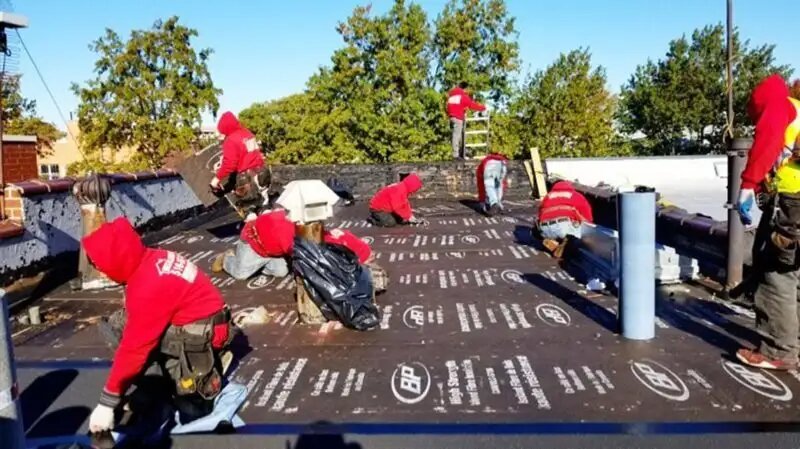
Choosing the right flat roofing material is one of the most important decisions for both residential property owners can choose from several popular flat roofing systems, including built up roofing, modified bitumen roofing, and EPDM rubber membrane roofing. Each system offers unique advantages depending on building type, climate conditions, maintenance expectations, and budget requirements. Understanding the differences between these roofing systems helps homeowners and commercial building owners make informed decisions for long-term roof performance.
Many roofing contractors recommend evaluating durability, installation methods, waterproofing performance, energy efficiency, and maintenance needs before selecting a roofing material. Whether you own a residential property or need flat roof systems for commercial buildings, knowing how these roofing systems compare can help you avoid unnecessary future expenses.
Understanding Flat Roofing Systems
Flat roofing systems are low slope roofing structures designed to provide waterproof protection, insulation support, and long lasting durability for buildings.
What Are Flat Roofing Systems?
Flat roofs are low-slope roofing structures designed to provide waterproof protection while supporting drainage systems and insulation layers. Unlike steep-sloped roofs, flat roofs require specialized membrane materials that prevent water penetration and withstand changing weather conditions.
Modern flat roofing materials are designed to improve energy efficiency, waterproofing strength, and long-term durability.
Why Flat Roofing Systems Matter
Choosing the correct flat roofing system helps improve:
- Waterproof protection and roof lifespan
- Energy efficiency and weather resistance
Professional roofing contractors often recommend roofing systems based on climate conditions, building size, and maintenance expectations.
Built Up Roofing Systems
Built up roofing systems use multiple asphalt and felt layers to create strong waterproof protection for commercial and residential flat roofs.
What Is a BUR Roofing System?
A BUR roofing system or built up roofing system is one of the oldest and most reliable flat roofing methods. It is created by layering multiple sheets of roofing felt with asphalt or bitumen to form a thick waterproof barrier.
Built up roofing systems are commonly used on commercial properties because they provide excellent durability and strong waterproofing protection.
Advantages of Built-Up Roofing in NYC
BUR roofing systems offer several long-term benefits for commercial and residential buildings.
Strong Waterproof Protection
Multiple roofing layers create excellent moisture resistance, helping protect buildings from water penetration and leaks.
Long Roof Lifespan
Properly maintained built up roofing systems can last for decades while handling heavy weather exposure effectively.
Good UV Resistance
BUR systems perform well under direct sunlight and harsh weather conditions.
Limitations of Built Up Roofing
Built up roofing systems can be heavier than other roofing materials and often require longer installation times. The installation process may also involve hot asphalt application, which requires experienced professionals.
Modified Bitumen Roofing Systems in NYC
Modified bitumen roofing systems are flexible asphalt based flat roofs designed for strong waterproofing, weather resistance, and long term durability.
What Is Modified Bitumen Roofing?
Modified bitumen roofing is an advanced asphalt-based roofing system reinforced with fiberglass or polyester layers. This roofing system combines traditional asphalt performance with improved flexibility and waterproofing technology.
Modified bitumen roofing has become a popular option for both residential and commercial flat roofing projects.
Flexible Installation Options
Modified bitumen membranes can be installed using heat welding, self-adhesive systems, or cold-applied methods depending on roofing requirements.
Improved Weather Resistance
This roofing material performs well under changing temperatures and harsh weather conditions.
Easier Maintenance
Compared to some traditional roofing materials, modified bitumen systems are easier to inspect and repair.
Drawbacks of Modified Bitumen Roofing
Although durable, modified bitumen roofs may eventually develop seam wear and surface cracking if maintenance is neglected for long periods.
Many property owners researching which flat roof system is best often choose modified bitumen because it balances affordability and durability effectively.
What Is EPDM Rubber Roofing?
EPDM rubber roofing is a synthetic rubber membrane roofing system widely used for flat and low-slope roofs. EPDM stands for Ethylene Propylene Diene Monomer, which is known for excellent flexibility and waterproofing performance.
EPDM roofing systems are among the most common flat roof membrane systems used today.
Advantages of Rubber Membrane Roofing
Excellent Flexibility
EPDM membranes expand and contract effectively during temperature changes, reducing cracking risks.
Strong Waterproof Performance
Rubber membrane systems provide reliable moisture protection for residential and commercial buildings.
Long-Term Durability
Properly installed EPDM roofing systems can last many years with routine maintenance.
Limitations of EPDM Roofing
EPDM membranes can be punctured by sharp objects and may require occasional seam repairs over time.
Some property owners working with flat roofing contractors prefer EPDM because it provides cost-effective long-term roofing performance.
Durability Comparison
Each roofing system offers different durability benefits depending on installation quality and environmental conditions.
| Roofing System | Durability | Maintenance | Waterproofing |
| BUR Roofing | Very High | Moderate | Excellent |
| Modified Bitumen | High | Easy | Very Good |
| EPDM Rubber Roofing | High | Low | Excellent |
Installation Process Comparison
Installation complexity varies between roofing systems.
| Roofing System | Installation Method | Installation Difficulty |
| BUR Roofing | Layered asphalt system | High |
| Modified Bitumen | Heat-welded or adhesive | Moderate |
| EPDM Roofing | Large membrane sheets | Moderate |
Professional installation is critical for all roofing systems to ensure waterproofing quality and long-term performance.
Importance of Ventilation Systems for Flat Roofs
Proper ventilation systems for flat roofs help control moisture buildup, temperature fluctuations, and insulation performance. Poor ventilation may trap moisture beneath roofing materials and reduce roof lifespan.
Benefits of Proper Roof Ventilation
Good roof ventilation helps improve:
- Energy efficiency
- Moisture control inside roofing structures
Property owners considering roofing materials for summer heat should also evaluate roof ventilation performance because heat buildup can damage roofing materials over time.
Which Flat Roof System Is Best?
The answer depends on several factors including building size, budget, climate, and maintenance expectations.
BUR Roofing for Commercial Buildings
BUR systems work well for larger commercial properties because they provide strong waterproofing and durability.
Modified Bitumen for Balanced Performance
Modified bitumen roofing offers a good balance between cost, flexibility, and maintenance simplicity.
EPDM for Cost-Effective Durability
EPDM roofing is ideal for property owners seeking affordable long-term waterproof protection.
Homeowners looking for reliable roofing services often search for Flat roofing in Queens because experienced contractors understand how to match roofing systems with local weather conditions.
Why Professional Installation Matters
Flat roofing systems require proper installation techniques to ensure waterproof protection, insulation performance, and drainage efficiency. Improper installation may cause leaks, seam failures, and structural moisture damage.
Professional Roofing Assessments
Experienced contractors inspect drainage systems, insulation layers, ventilation requirements, and membrane conditions before recommending roofing materials.
Property owners needing repairs or inspections often contact professionals for flat roof repair queens services to prevent expensive roofing failures.
Routine Roof Inspections
Regular roof inspections help identify minor damage before major repairs become necessary.
Common Maintenance Tasks
Property owners should regularly:
- Check drainage systems for blockages
- Inspect seams and flashing for wear
Routine maintenance extends roofing lifespan and improves waterproof performance.
Conclusion
Choosing between built up roofing, modified bitumen roofing, and EPDM rubber membrane roofing depends on your building type, maintenance goals, and budget expectations. All three systems offer valuable waterproofing protection when installed correctly by experienced roofing professionals.
BUR roofing systems provide excellent durability for commercial properties. Modified bitumen roofing delivers balanced performance and installation flexibility. EPDM rubber roofing offers long-lasting waterproof protection with strong weather resistance.
Understanding the strengths and limitations of each roofing material helps property owners select the most effective solution for long-term roofing performance. If you are planning a new flat roof installation or replacement, contact Royal Renovators Inc. today at (718) 414-6067 for expert guidance and reliable roofing solutions.
Frequently Asked Questions About Flat Roofing Systems
What is the best flat roofing system for commercial buildings?
Built-up roofing and EPDM roofing are commonly used for commercial buildings because of their durability and waterproof protection.
What is a BUR roofing system?
A BUR roofing system is a built-up roofing system made from multiple asphalt and felt layers designed for waterproof protection.
How long does EPDM rubber roofing last?
Properly installed EPDM rubber roofing can last several decades with regular maintenance and inspections.
Is modified bitumen roofing good for residential properties?
Yes, modified bitumen roofing is a durable and flexible option for residential flat roofing systems.
Why is flat roof ventilation important?
Proper flat roof ventilation helps reduce moisture buildup, improve insulation performance, and extend roofing lifespan.