Roofing eaves play a crucial role in protecting homes from weather damage, improving ventilation, and enhancing overall roof performance. For homeowners in Queens and across the United States, understanding roofing eaves is important when maintaining or upgrading a roof. This updated guide explains what roofing eaves are, how they function, and why they matter for long-term roof durability and home protection.
What Are Roofing Eaves?
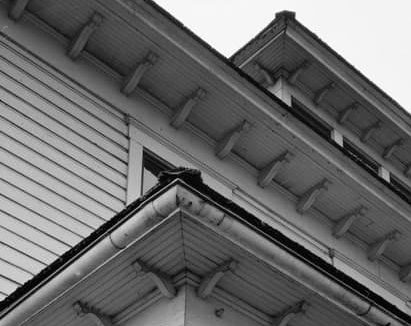
Roofing eaves are the horizontal edges of a roof that extend beyond the exterior walls of a building. They are designed to direct water away from walls and foundations while also supporting ventilation and insulation systems.
Roofing Eaves Definition
Many homeowners ask what is eave of roof and how it differs from other roof components. The eave of roof is the section where the roof overhangs the outer wall. Roof eaves help control moisture runoff, prevent wall staining, and reduce structural wear caused by rain and snow.
Where Roofing Eaves Are Located on a Roof
Roof eaves are located at the lower edge of the roof slope. In standard roofing eaves construction, this area may include fascia boards, soffits, and gutters. These components work together to protect the roof edge and maintain proper airflow inside the attic space.
Why Roofing Eaves Matter for Homes in NYC
Understanding the importance of roofing eaves helps homeowners make better roofing decisions, especially in climates with frequent rain, snow, and seasonal temperature changes.
Protection From Rain, Snow, and Moisture
Roofing eaves prevent water from flowing directly down exterior walls. By extending outward, they minimize moisture exposure that can cause rot, mold, and long-term damage.
Preventing Wall, Foundation, and Roof Damage
Without roof eaves, water runoff can erode foundations and stain siding. Properly designed eaves help preserve both the roof system and the structural integrity of the home.
Improving Ventilation and Energy Efficiency
Roofing eaves often support soffit vents, which improve attic airflow. This explains how do roofing eaves work to regulate indoor temperatures and reduce energy costs throughout the year.
Types of Roofing Eaves
There are several types of roofing eaves, each offering unique functional and visual benefits.
Open Eaves
Open eaves expose the roof rafters and are commonly found in traditional or rustic home designs. They allow easy inspection but require regular maintenance.
Closed (Boxed) Eaves
Closed eaves enclose the underside of the roof, offering a clean appearance and added protection from pests and weather.
Soffited Eaves
Soffited eaves include vented panels that improve attic airflow. These are widely used in modern roofing eaves for homes.
Flush Eaves
Flush eaves align directly with exterior walls. While visually sleek, they provide less water protection compared to extended designs.
Benefits of Roofing Eaves for Homes in Queens
Roofing eaves are especially valuable for homes in Queens, where buildings face varied weather conditions throughout the year.
Weather Protection in Queens Climate
Snow buildup, heavy rainfall, and coastal humidity make roofing eaves essential for directing water away from vulnerable areas of the home.
Reduced Roof and Siding Maintenance
Homes with well-designed eaves experience fewer siding repairs and longer roof life spans, reducing overall maintenance costs.
Enhanced Curb Appeal for Residential Properties
Roofing eaves add architectural depth and balance to residential properties. For homeowners planning upgrades or inspections, many rely on professional services such as Queens flat roofing solutions to ensure roof edges and drainage systems function correctly.
Common Roofing Eave Problems Homeowners Face
Even well-built roofing eaves can develop issues over time if not maintained.
Water Damage and Rot
Prolonged moisture exposure can cause wood rot along the eaves, especially in older homes.
Pest and Bird Infestations
Gaps in roof eaves may allow birds, squirrels, or insects to nest inside, leading to structural and hygiene concerns.
Cracks, Peeling Paint, and Structural Wear
Visible wear often signals the need for roofing eaves replacement before damage spreads to other roof components.
Roofing Eaves Maintenance and Repair Tips
Routine care helps extend the lifespan of roof eaves and prevents costly repairs.
Regular Inspection and Cleaning
Inspect roof eaves seasonally for cracks, debris, or peeling paint, especially after storms.
When to Repair vs Replace Roofing Eaves
Minor damage can often be repaired, but widespread rot or structural failure may require full replacement. Roofing eaves cost varies based on materials, labor, and roof design.
Importance of Professional Roofing Inspection
Professionals can identify hidden issues, including problems related to metal roof eave trim and ventilation systems.
Are Roofing Eaves Necessary for All Homes?
While some modern designs minimize overhangs, roofing eaves remain essential for most homes. They protect walls, regulate airflow, and improve durability. Homes without eaves often experience higher maintenance and moisture-related issues.
Roofing Eaves and Flat Roofing Systems
Flat roofs may not have traditional overhangs, but edge protection is still critical. Proper detailing helps manage drainage and prevent leaks. Comparing open eaves vs closed eaves helps homeowners choose designs compatible with different roofing systems.
Conclusion
Roofing eaves are an important part of a well-functioning roofing system, helping protect homes from water damage, improve ventilation, and enhance long-term roof performance. Whether your home has open, closed, or soffited eaves, regular inspections and maintenance can prevent costly repairs and extend the lifespan of your roof. For Queens homeowners, properly maintained roofing eaves provide added weather protection, improved energy efficiency, and stronger overall home durability.
Call Royal Renovators Inc. at (718) 414-6067 today to schedule a professional roofing inspection and keep your roofing system performing at its best.
FAQs
What is the purpose of roofing eaves?
The main purpose of roofing eaves is to direct water away from exterior walls and foundations while improving ventilation and protecting the roof structure.
Can a house function without roofing eaves?
A house can function without eaves, but it is more vulnerable to moisture damage, wall staining, and foundation issues over time.
How long do roofing eaves last?
Roofing eaves can last several decades depending on materials, climate exposure, and maintenance practices.
Do flat roofs need roofing eaves?
Flat roofs do not have traditional overhangs, but they still require edge systems and trims that perform similar protective functions.