Roof moss may seem harmless at first, but over time it can create serious roofing problems for homeowners, making roof moss removal an important part of roof maintenance. Moss growth commonly appears in damp and shaded areas where moisture remains trapped on roofing surfaces for long periods. As moisture builds up beneath shingles, roofing materials begin to weaken and deteriorate faster.
Understanding the risks of moss growth and learning how to remove moss from roof surfaces safely can help homeowners protect their property and avoid expensive repairs later.
What Causes Roof Moss Growth?
Roof moss typically develops in cool, damp, and shaded environments where water remains trapped for long periods. Homes surrounded by trees or exposed to heavy rainfall are especially vulnerable to moss buildup.
Poor drainage, clogged gutters, and aging roofing materials also contribute to moss growth. Older Shingle Roofing systems are particularly susceptible because worn shingles hold moisture more easily and create ideal conditions for moss development.
Once moss spreads beneath shingles, it slowly lifts roofing materials and allows moisture to penetrate deeper into the roof structure.
Hidden Dangers of Roof Moss
Roof moss can cause serious damage by trapping moisture against shingles and roofing materials for long periods. Over time, this moisture weakens shingles, creates roof leaks, encourages mold growth, and may even lead to wood rot beneath the roof surface.
Moisture Damage and Roof Leaks
Moss acts like a sponge by trapping water against roofing materials long after rainstorms end. This prolonged moisture exposure weakens roofing systems and increases the risk of leaks.
Common moisture-related problems include:
- Roof leaks
- Wood rot
Over time, trapped moisture may also damage insulation, ceilings, and attic structures. In severe cases, homeowners may require flat roof repair queens services to address long-term water damage and drainage problems.
Shingle Deterioration
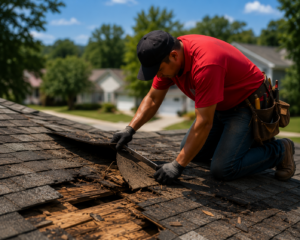
As moss grows between shingles, it slowly lifts them away from the roof surface. This creates openings where water can seep underneath the roofing system and damage underlying materials.
Many homeowners researching moss removal from roof services discover cracked or curled shingles only after the moss has already caused hidden deterioration. Damaged shingles become far more vulnerable to weather exposure and premature aging.
Drainage and Structural Problems
Moss buildup often spreads into gutters and drainage channels, creating blockages that prevent water from flowing properly off the roof.
Poor drainage may lead to:
- Standing water
- Structural stress
Over time, excess moisture can weaken flashing, roof decking, and waterproofing materials, creating more serious structural concerns for homeowners.
Signs Your Roof Needs Moss Removal
Many homeowners overlook roof moss until major roofing issues begin affecting the interior of the home. Early detection is important because moss damage becomes more expensive to repair over time.
Common warning signs include green patches across shingles, curled roofing materials, clogged gutters, water stains on ceilings, and damp attic conditions. Uneven roof surfaces may also indicate trapped moisture beneath the shingles.
Homeowners searching online for roof moss removal near me should schedule inspections as soon as visible moss appears to prevent further roof deterioration.
Roof Moss Removal Methods
Professional roof cleaning and moss removal services use safe techniques designed to protect roofing materials while removing moss buildup effectively.
Soft Washing
Soft washing is one of the safest and most effective roof moss removal methods available today. This cleaning process uses low-pressure water combined with specialized cleaning solutions that safely eliminate moss without damaging shingles.
Unlike pressure washing, soft washing protects roofing materials while reducing future moss growth. Most roofing professionals recommend this method for asphalt shingles and delicate roofing systems.
Manual Moss Cleaning
Some roofs require careful hand-cleaning using soft brushes and specialized roofing tools. This approach is commonly used during residential roof moss removal projects where delicate shingles require extra protection.
Manual cleaning allows roofing professionals to remove heavy moss buildup safely without stripping away protective roofing granules.
Specialized Moss Treatments
Professional roofing companies often apply treatment solutions after cleaning to help prevent future moss growth. Homeowners searching for the best moss remover for roof systems usually benefit more from professional-grade treatments because they provide stronger and longer-lasting protection.
These treatments also help reduce moisture retention and organic roof growth over time.
Risks of DIY Roof Moss Removal
Many homeowners attempt DIY roof moss removal without understanding how easily roofing materials can become damaged. Improper cleaning methods often create larger roofing problems and increase future repair costs.
Pressure washing is one of the most common DIY mistakes because it removes protective shingle granules and forces water beneath roofing materials. Aggressive scraping and harsh chemicals may also weaken shingles and shorten roof lifespan.
DIY roof cleaning may also create serious safety hazards, especially on wet or steep roofing surfaces. Homeowners researching how to remove moss from roof surfaces safely should understand that professional methods are designed to protect both the roof and the homeowner.
Benefits of Professional Roof Moss Removal in NYC
Professional roof cleaning and moss removal services help homeowners protect roofing materials and prevent long-term moisture damage.
The biggest benefits of roof moss removal include:
- Longer roof lifespan
- Reduced repair costs
Professional contractors performing professional roof moss removal also inspect the roof for hidden leaks, damaged shingles, and drainage issues during the cleaning process. This allows homeowners to identify roofing problems before they become severe.
How Often Should Roof Moss Be Removed?
Most roofing professionals recommend annual roof inspections to monitor moss growth and moisture-related damage. Homes located in heavily shaded or humid environments may require moss removal every one to three years depending on roof conditions.
Regular maintenance helps prevent severe moss buildup and protects roofing systems from premature deterioration.
Best Time of Year for Roof Moss Removal
Spring and early fall are usually the best seasons for roof moss removal because weather conditions are safer and drier. These conditions allow roofing professionals to clean roofs more effectively and apply preventative treatments properly.
Avoid roof cleaning during freezing temperatures or heavy rain whenever possible because moisture may become trapped beneath shingles.
How to Prevent Moss Growth on Your Roof
Preventing moss growth is often far less expensive than repairing severe roofing damage later. Proper roof maintenance can significantly reduce moisture buildup and extend roof lifespan.
Improve Roof Drainage
Keeping gutters clean and ensuring proper drainage allows water to flow away from the roof more efficiently. Moisture buildup caused by clogged gutters creates ideal conditions for moss growth.
Working with experienced flat roofing contractors can also help homeowners improve drainage systems and reduce long-term water damage risks.
Increase Sunlight Exposure
Trimming overhanging tree branches helps increase sunlight exposure across roofing surfaces. Increased sunlight helps roofs dry faster after rainstorms and reduces moisture retention.
Many homeowners also explore roofing materials for summer heat to improve roof durability and moisture resistance throughout changing weather conditions.
Why Professional Roofing Contractors Matter
Roof moss removal requires specialized equipment, roofing expertise, and safe cleaning techniques. Improper cleaning can permanently damage shingles and increase future roofing expenses.
Experienced roofing professionals understand how different roofing systems respond to cleaning treatments and moisture exposure. Property owners searching for trusted Flat roofing in Queens services should always work with contractors familiar with local roofing conditions and seasonal climate challenges.
Professional inspections also help identify hidden structural issues before they develop into expensive roofing emergencies.
Conclusion
Roof moss may appear to be a minor cosmetic issue, but it can create serious roofing problems if left untreated. Moss traps moisture, weakens shingles, blocks drainage systems, and increases the risk of leaks and structural damage.
Professional roof moss removal services help protect roofing materials, improve drainage performance, and extend roof lifespan safely. While DIY cleaning methods may seem convenient, improper techniques often create additional roof damage and increase repair expenses later.
Protect your roof before moss damage becomes expensive with Royal Renovators Inc. at (718) 414-6067 for professional roof moss removal and roofing services today or visit us at 118-35 Queens Blvd, Forest Hills, NY 11375
Frequently Asked Questions About Roof Moss Removal
Why is moss harmful to roofs?
Moss traps moisture on roofing surfaces, which can cause shingle damage, roof leaks, wood rot, and reduced roof lifespan.
How do you remove moss from a roof safely?
Safe roof moss removal usually involves soft brushing, low-pressure cleaning, and specialized moss treatment solutions that protect shingles.
Can pressure washing damage roof shingles?
Yes, pressure washing can remove protective granules from shingles and may lead to premature roof damage and leaks.
How can I prevent moss from growing on my roof?
Regular roof maintenance, gutter cleaning, tree trimming, and improved sunlight exposure can help prevent moss growth.
Should I hire professionals for roof moss cleaning?
Yes, professional roof moss cleaning helps prevent shingle damage and ensures safe, effective moss removal.