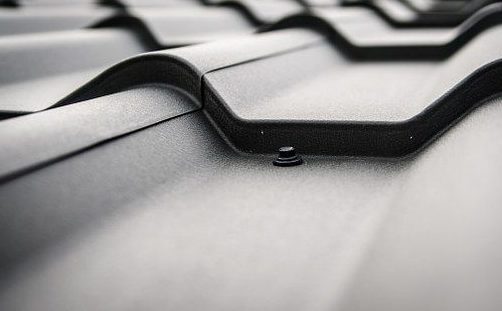
Water damage is one of the most common and expensive problems affecting flat roofs across Queens. With heavy rainfall, snow buildup, and seasonal freeze thaw cycles, roofs in this area need reliable protection. This is where roofing membranes play a critical role.
Roofing membranes act as the primary waterproof barrier on flat and low slope roofs. When properly installed, they prevent moisture from entering the building structure and help extend the overall lifespan of the roof. For residential and commercial properties alike, choosing the right membrane roofing system can mean the difference between long term durability and recurring repair costs.
What Are Roofing Membranes?
Roofing membranes are continuous waterproof layers installed over flat or low slope roofs. Many homeowners ask what is a membrane roof and the answer is simple. It is a roof system designed to stop water infiltration rather than shed water like sloped roofs.
A roof membrane is typically made from durable synthetic or asphalt based materials. These materials are engineered to resist standing water, UV exposure, and temperature fluctuations. Membrane roof waterproofing is especially important for flat roofs because water does not naturally drain as quickly as it does on pitched roofs.
Why Roofing Membranes Are Essential for Flat Roofs
Flat roofs are common in Queens residential buildings, apartment complexes, and commercial structures. Unlike pitched roofs, flat systems depend entirely on waterproof membranes to stay protected.
Key reasons roofing membranes are essential include:
- Protection against ponding water
- Sealing of seams and roof penetrations
- Prevention of moisture damage to insulation and decking
This is why membrane roofing is considered the foundation of any reliable flat roofing system.
How Roofing Membranes Prevent Water Damage
Roofing membranes protect roofs by creating a seamless and durable surface that blocks water from entering vulnerable areas. When properly installed, they serve as a long term defense against leaks and structural deterioration.
Seamless Waterproof Coverage
Most modern roofing membranes are installed as large sheets with sealed seams. This creates a continuous surface that reduces weak points where water can enter. A high quality roof membrane replacement eliminates gaps commonly found in older roofing systems.
Resistance to Standing Water
Flat roofs often experience water pooling after rain or snow melt. Materials such as epdm roof membrane and tpo roof membrane are designed to withstand prolonged exposure to standing water without breaking down.
Protection Against Cracks and Leaks
Temperature changes in queens can cause roofing materials to expand and contract. Flexible membrane roofing materials absorb this movement, reducing cracking and surface damage that leads to leaks.
Added Defense for Roof Structure
Roofing membranes protect insulation, decking, and interior spaces. Once water penetrates below the surface, repairs become more complex. Membrane roof waterproofing stops damage before it starts.
Types of Roofing Membranes Used in the Queens
Understanding the types of roofing membranes helps property owners choose the best system for their building. Each membrane has specific advantages depending on roof usage, budget, and climate.
EPDM Rubber Roofing Membrane
EPDM rubber roofing membrane is one of the most widely used systems in the U.S. It is known for flexibility and long service life.
Benefits include:
- Excellent resistance to UV exposure
- Strong performance in extreme temperatures
- Proven durability for residential flat roof replacement
TPO Roof Membrane
TPO roof membrane is popular for energy efficient buildings. Its reflective surface helps reduce heat absorption during summer months.
Key advantages include:
- Improved indoor comfort
- Reduced cooling costs
- Strong seam welding for leak prevention
PVC Roof Membrane
PVC roof membrane offers exceptional strength and chemical resistance. It is often used on commercial buildings and restaurants.
Notable features include:
- Heat welded seams for superior waterproofing
- Resistance to grease and chemicals
- Long term performance in demanding environments
Modified Bitumen and Other Materials
Modified bitumen systems combine asphalt with reinforcing layers. These are part of the broader category of roofing membrane materials used on flat roofs.
When evaluating the best roofing membranes, factors such as building type, drainage, and expected foot traffic should always be considered.
Benefits of Roofing Membranes for Queens Flat Roofs
Queens properties face unique roofing challenges due to dense construction and changing weather patterns. Roofing membranes are designed to handle these conditions effectively.
Strong Water Resistance
Membrane roofing systems form a watertight barrier that protects buildings during heavy rain and snowstorms.
Extended Roof Lifespan
Installing the right membrane significantly extends roof longevity and reduces the need for frequent roofing membrane repair.
Energy Efficiency
Reflective membranes such as TPO and PVC improve energy performance and support sustainability goals.
Reduced Maintenance Costs
Preventing water intrusion early helps avoid expensive interior repairs and structural damage.
Signs Your Roof Needs a New Roofing Membrane
Over time, even the best membranes can wear out. Knowing when to consider high quality roof membrane replacement is essential.
Common warning signs include:
- Interior leaks or ceiling stains
- Blistering or bubbling on the roof surface
- Cracks or seam separation
- Repeated roofing membrane repair needs
If these issues are present, professional inspection is strongly recommended.
Professional Roofing Membrane Installation in Queens
Proper installation is just as important as selecting the right material. Poor workmanship can compromise even the best roofing membranes.
Professional contractors experienced in flat roof repair in Queens understand local building codes, drainage requirements, and climate factors. Whether the project involves roof replacement in Queens or new membrane installation, expert handling ensures long-term protection.
Homeowners considering residential flat roof replacement benefit greatly from professional assessment and tailored solutions.
Why Roofing Membranes Matter More for Flat Roofs Than Pitched Roofs
When comparing flat roofs vs. pitched roofs, membranes play a much larger role in flat roofing systems. Flat roofs rely entirely on waterproof layers, while pitched roofs depend on gravity to shed water.
Understanding flat room installation benefits includes recognizing how membrane roofing protects structural integrity and enhances roof performance over time.
Conclusion
Roofing membranes are the backbone of modern flat roofing systems. They provide critical protection against water damage, improve energy efficiency, and extend roof lifespan. For Queens property owners, investing in the right membrane roofing solution is essential for long-term performance and peace of mind.
Whether you are planning maintenance, repairs, or a full replacement, choosing the right roofing membrane materials and professional installation makes all the difference.
Make a call with Royal Renovators Inc. at (718) 414-6067
FAQs
What is a roofing membrane?
A roofing membrane is a waterproof layer installed on flat or low-slope roofs to prevent water from entering the building structure.
Which roofing membrane is best for flat roofs in Queens?
EPDM, TPO, and PVC membranes are commonly used in Queens due to their durability and resistance to weather conditions.
How long do roofing membranes last?
Most roofing membranes last between 20 and 30 years when properly installed and maintained.
Can a roofing membrane be repaired instead of replaced?
Yes, minor damage can often be fixed through roofing membrane repair, depending on the extent of wear.
Do flat roofs always need a membrane?
Yes, flat roofs require a membrane roofing system to provide waterproofing and protect the building from moisture damage.