A well-maintained flat roof can last 20 to 30 years, but neglect can cut that lifespan in half. Many property owners don’t realize that regular maintenance is the key to avoiding expensive repairs and premature replacement. Any expert roofer will emphasize that a consistent inspection schedule and thorough checklist are essential for protecting your investment and keeping your building safe and dry.
How Often Should You Inspect Your Flat Roof?
Creating a regular maintenance schedule doesn’t have to be complicated. At minimum, inspect your flat roof twice per year, ideally in spring and fall. Spring inspections help you assess winter damage, while fall checkups prepare your roof for harsh weather ahead. Beyond seasonal inspections, examine your roof after severe weather events like heavy storms, high winds, or hail. These conditions can cause immediate damage that needs quick attention to prevent leaks.
Essential Inspection Checklist Items
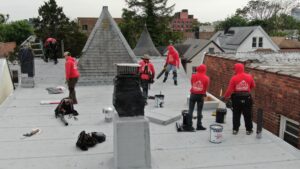
- Surface Condition: Walk the entire roof surface and look for cracks, blisters, punctures, or tears in the roofing membrane. These small issues can quickly become major leaks if left unaddressed. Check for any soft spots that might indicate water damage underneath.
- Ponding Water: Look for areas where water collects and stays for more than 48 hours after rain. Standing water accelerates roof deterioration and adds unnecessary weight to your structure.
- Drainage Systems: Inspect all drains, scuppers, and gutters. Remove leaves, debris, and dirt that can clog drainage paths. Make sure drain screens are intact and water flows freely through all outlets.
- Flashing: Check all flashing around roof penetrations, edges, and parapet walls. Flashing prevents water from seeping into vulnerable areas. Look for rust, separation, or gaps that could allow water infiltration.
- Seams and Joints: Examine seams where roofing material pieces meet. These areas are prone to separation and should lay flat without gaps or lifting edges.
- Roof Penetrations: Inspect areas around vents, pipes, HVAC units, and skylights. These penetrations are common leak points and need tight seals and proper flashing.
- Vegetation and Debris: Remove all plant growth, including moss and algae. Clear away branches, leaves, and any accumulated dirt. Organic material traps moisture and can damage your roof membrane.
- Interior Ceiling Inspection: Don’t forget to check inside your building for water stains, discoloration, or damp spots on ceilings. These signs often indicate roof problems before exterior damage becomes obvious.
Creating a Maintenance Log
Document every inspection with photos and notes. Record the date, weather conditions, and any issues found. This log helps you track recurring problems and provides valuable information if you need warranty claims or insurance documentation.
Don’t Delay Roof Maintenance
Regular flat roof maintenance isn’t optional it’s essential for protecting your property and avoiding costly emergency repairs. A small investment in routine inspections saves thousands in premature replacement costs. Ready to establish a professional maintenance schedule for your flat roof?
Contact a qualified roofing contractor at 118-35 Queens Blvd Forest Hills, NY 11375 (718) 414-6067 https://www.nycrenovators.com today to set up your first comprehensive inspection and develop a customized maintenance plan.