Severe storms can create unexpected damage for homeowners and roofing systems often experience the greatest impact. Strong winds, heavy rainfall, hail, and falling debris can weaken roofing materials within minutes. What begins as a small issue may quickly turn into major structural damage if immediate action is not taken.
For homeowners in the Bronx, storm related roofing damage is more than a minor inconvenience. Damaged roofing systems can expose homes to moisture intrusion, insulation problems, and interior property damage. Acting quickly after severe weather can reduce long term repair costs and prevent additional complications.
Understanding the process of storm damaged roof replacement helps homeowners make informed decisions during stressful situations and ensures that important steps are not overlooked.
Why Storm Damage Requires Immediate Attention
Storm damage does not always appear obvious immediately after severe weather conditions pass. In many situations homeowners notice signs only after water enters the home or visible structural damage appears.
Roofing systems absorb significant impact during storms and certain forms of damage can continue worsening over time.
Common signs of residential storm roof damage include:
• Missing shingles
• Water stains on ceilings
• Damaged flashing areas
• Roof sagging sections
• Visible debris impact areas
Ignoring these warning signs can increase roof repair expenses and create additional safety concerns.
Hidden Damage Can Become a Serious Problem
Some forms of damage remain hidden beneath the roofing surface. Wind may loosen roofing materials without immediately removing them. Water can enter beneath shingles roof and create moisture problems inside insulation or structural components.
Small damage areas often expand when left untreated.
This is why homeowners should arrange an emergency roof inspection following severe weather events.
Types of Storm Damage That Affect Roofs
Different weather conditions create different forms of roofing damage. Understanding the source of damage helps determine the best repair or replacement solution.
Wind Damaged Roof Systems
Strong winds frequently lift roofing materials and weaken protective layers.
A wind damaged roof replacement may become necessary when roofing materials lose structural stability or when large sections of shingles become detached.
Wind damage often affects:
• Roof edges
• Flashing systems
• Shingles
• Ridge caps
• Vent areas
Even small areas of missing roofing materials can expose the home to additional moisture damage.
Hail Related Roof Damage
Hail can create impact damage that weakens roofing surfaces. Large hailstones may crack shingles and damage protective coatings.
Professional hail damage roof repair services help determine whether repair or complete replacement provides the most effective solution.
Impact damage sometimes appears minor but can reduce roofing lifespan significantly.
Falling Tree and Debris Damage
Storms occasionally cause trees or large branches to fall onto roofs. These situations require immediate attention because structural damage can create safety risks.
Professional emergency services help stabilize damaged areas and reduce additional exposure.
Emergency Steps Homeowners Should Take After Storm Damage
The moments following severe weather are important because early action may prevent larger losses.
Homeowners should focus on safety and property protection before beginning repair discussions.
Recommended steps include:
• Inspect visible damage from ground level
• Document damage with photographs
• Move valuable items away from leaks
• Contact roofing professionals
• Contact insurance providers
Avoid climbing onto damaged roofing systems because weakened structures may create serious hazards.
Roof Leak Emergencies Need Fast Response
Water intrusion often becomes one of the most urgent concerns after severe storms.
A roof leak emergency repair situation should be addressed quickly because moisture spreads rapidly through ceilings, insulation, and walls.
Leaks may also increase mold risks and create structural deterioration over time.
Temporary protective solutions such as roof tarping can help reduce additional water exposure until permanent repairs begin.
Understanding Roof Replacement After Storm Damage
Not all storm damage requires complete replacement. Minor problems may sometimes be corrected through repairs.
However roof replacement after storm damage becomes necessary when structural integrity has been compromised or when extensive material failure exists.
Several factors influence replacement decisions:
Extent of Roofing Damage
Large damaged sections often become difficult to repair effectively.
When multiple roofing components are affected, replacement may provide stronger long term value.
Roof Age and Condition
Older roofs naturally become more vulnerable during severe weather conditions.
If roofing systems already show signs of deterioration before a storm, replacement may become the most practical option.
Future Protection Goals
Many homeowners use storm damage situations as an opportunity to improve roofing performance and increase durability.
Property owners researching roofing materials for summer heat frequently explore newer roofing technologies that improve year round efficiency.
Insurance Claims and Roofing Damage
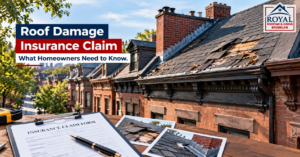
Many homeowners feel uncertain about filing an insurance claim for roof damage after severe weather.
Insurance companies usually require documentation and professional assessments before approving claims.
Important information often includes:
• Date of storm occurrence
• Photographs of visible damage
• Professional inspection reports
• Repair estimates
• Temporary repair expenses
Keeping accurate records may simplify the claims process and improve communication with insurance providers.
Selecting Roofing Professionals for Emergency Services
Choosing experienced professionals helps ensure roofing systems receive proper evaluation and repairs.
Reliable emergency roofing services Bronx providers understand local weather conditions and emergency response requirements.
Property owners often research flat roofing contractors when searching for experienced roofing specialists.
Homeowners exploring roofing maintenance solutions also review Flat roofing in Bronx options for long term roofing performance and durability.
For homes experiencing recurring roofing concerns, flat roof repair Bronx services can help identify developing issues before severe weather causes larger problems.
Traditional Shingle Roofing systems continue to remain common for residential properties because of durability and visual appeal.
Conclusion
Storm damage can create serious concerns for homeowners and quick action often makes a significant difference. Delaying inspections or repairs may increase damage levels and create unnecessary expenses.
Understanding warning signs, emergency response steps, and roof replacement considerations helps homeowners protect both their property and their long term investment.
How do I know if my roof needs replacement after a storm?
Major leaks, widespread shingle damage, structural concerns, and extensive impact damage often indicate replacement may be necessary.
Can storm damaged roofs be repaired instead of replaced?
Yes. Minor damage can often be repaired depending on the severity and overall roof condition.
Should I contact insurance after storm damage?
Yes. Homeowners should document damage and contact their insurance company as soon as possible.
How quickly should emergency roofing services be requested?
Emergency services should be requested immediately after significant storm damage to prevent additional property exposure.
What causes storm damaged shingles?
Strong winds, hail impact, heavy rain, and falling debris commonly damage roofing shingles.