Flat roofing systems in Bronx neighborhoods are built to handle more than normal roof coverage. They protect row homes, apartment buildings, mixed-use properties, warehouses, retail spaces, and commercial structures in one of New York City’s busiest urban environments. From older masonry buildings to modern multi-family properties, flat roof systems Bronx property owners rely on must perform under constant weather exposure, limited roof access, heavy rooftop equipment, and dense surrounding development.
The Bronx also brings its own roofing challenges. Heavy rain, winter snow, freeze and thaw cycles, summer heat, rooftop debris, and city pollution all affect how a flat roof ages. Because many buildings have low-slope roof designs, proper drainage and regular flat roof maintenance are just as important as the material itself.
When installed correctly, flat roofing can be durable, efficient, and practical for Bronx properties. The key is choosing the right system, preparing the roof properly, maintaining drains, and working with professionals who understand flat roofing Bronx NY buildings require.
Understanding Flat Roofing Systems in the Bronx
Flat roofs are one of the most common roofing choices across the Bronx because they match the design and function of urban buildings. They are practical for properties with limited lot space, shared walls, rooftop equipment, and multi-level construction. Unlike steep roofs, flat roofing systems are designed for controlled water movement rather than fast runoff.
A well-built flat roof is not completely flat. It has a slight slope that helps water move toward drains, scuppers, or gutters. This small slope is one of the most important parts of roof performance because standing water can shorten the life of the membrane and increase leak risk.
Flat roof systems can be used on residential, commercial, and mixed-use buildings. They also support insulation upgrades, roof coatings, HVAC units, vents, skylights, and other rooftop features common in Bronx properties. For owners comparing Roofing options, flat roofs often make sense because they balance usable space, material efficiency, and long-term performance.
What Are Flat Roofing Systems?
Flat roofing systems are low-slope roof assemblies designed to protect a building while allowing water to drain through a planned system. They usually include a roof deck, insulation, cover board, waterproof membrane, flashing, and drainage components.
The term “flat roof” can be misleading because these roofs should still have enough pitch to move water. Common materials include EPDM rubber, TPO, PVC, modified bitumen, built-up roofing, and roof coatings. Each option performs differently based on building use, exposure, access, and budget.
A flat roofing system is especially suitable for dense urban buildings because it can cover large areas efficiently while allowing space for rooftop utilities.
Why Flat Roofs Are Popular in Bronx Buildings
Flat roofs are popular in Bronx buildings because they work well with the borough’s building layout. Many Bronx properties are row homes, apartment buildings, commercial storefronts, schools, industrial spaces, and mixed-use structures. A steep roof is not always practical for these types of buildings because roof space is limited and access needs are different.
Flat roofs allow property owners to use the rooftop for HVAC equipment, vents, access paths, solar panels, and maintenance work. In some cases, they can also support usable rooftop areas when the structure is properly designed for it.
They are also cost-effective for many urban buildings because the surface area is easier to cover compared with complex pitched roof designs. For property owners comparing Flat Roofing with other roof types, the main advantage is practicality. A flat roof fits the building style, supports mechanical systems, and can be maintained without the challenges of steep-slope access.
Urban Challenges Affecting Flat Roofing Systems in the Bronx
Bronx flat roofs face a combination of weather, building age, access limits, and city exposure. These conditions make proper installation and maintenance extremely important. A roof that performs well in a suburban setting may need extra attention in the Bronx because surrounding buildings, traffic pollution, rooftop equipment, and drainage restrictions all affect how the system ages.
Older properties can also have uneven roof decks, aging masonry, outdated drainage, or several layers of previous roofing. These issues must be corrected before a new membrane is installed. Otherwise, the roof may look finished on the surface but still have hidden weaknesses underneath.
Bronx urban roofing challenges are not only about storms. Daily wear matters too. Foot traffic from technicians, debris from nearby buildings, clogged drains, and heat trapped between dense structures can all reduce roof life. This is why experienced evaluation matters before any Roof Repair or replacement decision is made.
Weather Exposure & Seasonal Stress
Bronx flat roofs deal with all four seasons. Heavy rain can test drainage systems quickly, especially during sudden storms. Snow adds weight to the roof surface during winter, and melting snow can create ponding water if drains are slow or blocked.
Freeze and thaw cycles are another major concern. Water that enters small cracks, seams, or flashing gaps can expand when it freezes. Over time, this can widen openings and increase leak risk.
Wind-driven debris is also common in urban neighborhoods. Branches, trash, leaves, and loose materials from nearby properties can collect around drains and roof edges. Even a small blockage can cause water to pool after a storm damage.
Pollution, Foot Traffic & Structural Load
City pollution can affect flat roofing membranes over time. Exhaust, airborne particles, and chemical residue can settle on the roof surface, especially near busy roads, commercial corridors, and industrial areas. Some roofing materials resist this better than others, which is why material selection matters.
Foot traffic is another factor. HVAC technicians, cable workers, maintenance crews, and inspectors may walk on the roof throughout the year. Without proper walkway pads or protection, repeated traffic can wear down the membrane.
Structural load also matters. Rooftop equipment, satellite mounts, vents, and mechanical units must be properly supported. A flat roof should never be treated as empty space without understanding what the building can safely carry.
Drainage Issues in Dense Neighborhoods
Drainage is one of the biggest performance factors for flat roofing systems in Bronx buildings. Because many properties have limited roof slope, water must be guided carefully toward drains, scuppers, or gutter systems.
Common drainage concerns include blocked drains, undersized outlets, poor slope, and debris buildup. In tightly packed neighborhoods, nearby trees, taller buildings, and rooftop equipment can also contribute to clogged drainage paths.
This is where Gutters and roof drainage design work together. A flat roof needs a clear path for water to leave the roof before it becomes ponding water, interior leaks, or structural stress.
Best Flat Roofing Materials for Bronx Properties
Choosing the best flat roofing material for Bronx buildings depends on the property type, roof condition, budget, access, and long-term goals. No single material is perfect for every building. A small residential flat roof may need a different solution than a large commercial roof with HVAC units and frequent maintenance traffic.
The Bronx’s urban environment makes durability and drainage performance especially important. Materials must handle rain, snow, heat, movement, puncture risk, and pollution. Reflective materials may help reduce heat absorption, while flexible materials can help with building movement and seasonal changes.
For many property owners, the best decision comes down to balancing upfront cost with expected life span and maintenance needs. A lower-cost system may be right for some buildings, but a stronger membrane may deliver better value if the roof sees heavy use or difficult exposure.
EPDM Roofing Performance in the Bronx
EPDM is a rubber roofing membrane known for flexibility and reliable weather resistance. It has been used on flat roofs for many years and is common on both residential and commercial buildings. In Bronx properties, EPDM can perform well when the roof has proper drainage and the seams are installed correctly.
One of EPDM’s strengths is its ability to expand and contract with temperature changes. This helps in climates where roofs experience hot summers, cold winters, and freeze and thaw cycles. It is also relatively lightweight, which can be useful for older structures that need a practical flat roof solution.
EPDM may not offer the same reflective surface as some white membranes unless a coating is added, but it remains a dependable option for many flat roof systems. It is often chosen for its balance of cost, flexibility, and proven field performance.
TPO & PVC Roofing for Urban Buildings
TPO and PVC are single-ply roofing membranes often used on flat and low-slope buildings. Both are popular for urban properties because they can provide strong waterproofing and heat-reflective performance when installed properly.
TPO is often selected for its reflective surface and energy-conscious performance. In warmer months, a reflective roof surface can help reduce heat absorption, especially on buildings exposed to direct sun. PVC is known for chemical resistance, which may be useful for certain commercial or restaurant properties where grease, exhaust, or chemical exposure could affect the roof.
Both systems require careful seam welding and professional installation. The performance depends heavily on workmanship, flashing details, and drainage design. For Bronx buildings with rooftop equipment and regular service access, protective walkways may be recommended to reduce membrane wear.
Modified Bitumen & Built-Up Roofing
Modified bitumen and built-up roofing are traditional flat roof options that are still used on many Bronx properties. Modified bitumen is made with asphalt-based sheets that are installed in layers or rolls. It is known for durability and can be a good fit for older buildings when properly applied.
Built-up roofing, often called BUR, uses multiple layers of roofing material and asphalt. It has a long history on commercial and urban flat roofs. These systems can offer strong protection, but they are heavier than many single-ply options and may require more structural consideration.
Older Bronx buildings sometimes already have asphalt-based roof systems, so modified bitumen may feel familiar to property owners. However, existing roof layers, deck condition, and drainage must be reviewed before choosing this option. The right system should match the building rather than simply repeat what was used before.
Flat Roofing Systems for Residential vs Commercial Buildings in the Bronx
Flat roofing systems serve both residential and commercial properties in the Bronx, but the needs are not always the same. A multi-family home may prioritize leak prevention, insulation, and manageable maintenance. A commercial property may need stronger resistance to foot traffic, rooftop equipment, and business interruption.
Residential buildings often have smaller roof areas but may still face serious drainage and flashing problems. Commercial roofs may be larger and more complex, with HVAC systems, vents, skylights, parapet walls, and multiple drainage points.
The right flat roof design should account for how the building is used. A roof over a family residence, a retail space, a warehouse, and an office building will each have different performance demands. This is why Commercial Roofing experience matters when evaluating larger or more complicated flat roofs.
Residential Flat Roofing in the Bronx
Residential flat roofing in the Bronx is common on row homes, townhouses, small apartment buildings, and multi-family properties. These roofs often protect several living spaces at once, so even a small leak can affect ceilings, walls, insulation, electrical areas, and tenant comfort.
Flat roofs for multi-family buildings Bronx owners manage should be inspected regularly because damage can develop quietly. Ponding water, cracked flashing, open seams, and clogged drains may not be visible from the street. By the time water stains appear inside, the roof issue may have already spread.
Residential flat roofing should also be planned around insulation and ventilation. A roof that is only patched repeatedly may continue to lose energy efficiency or trap moisture. In many cases, a professional inspection can help determine whether repair, restoration, or replacement is the better long-term choice.
Commercial Flat Roofing Systems in the Bronx
Commercial flat roofing Bronx properties require a different level of planning. Warehouses, retail buildings, office structures, restaurants, and mixed-use properties often have larger roof surfaces and more equipment on top. This increases the need for strong membranes, safe access paths, and well-designed drainage.
Business owners also need to think about downtime. A roof leak repair in a commercial property can affect inventory, tenants, employees, customers, and operations. Preventive maintenance is often less disruptive than emergency roof repair after water has entered the building.
Commercial flat roofs should be evaluated for membrane condition, flashing, roof penetrations, equipment supports, and drainage capacity. When the roof has frequent foot traffic, walkway pads and reinforced areas can help protect the membrane. For commercial buildings, the best system is not only the one that keeps water out, but the one that supports daily business needs.
Flat Roofing Installation & Replacement in the Bronx
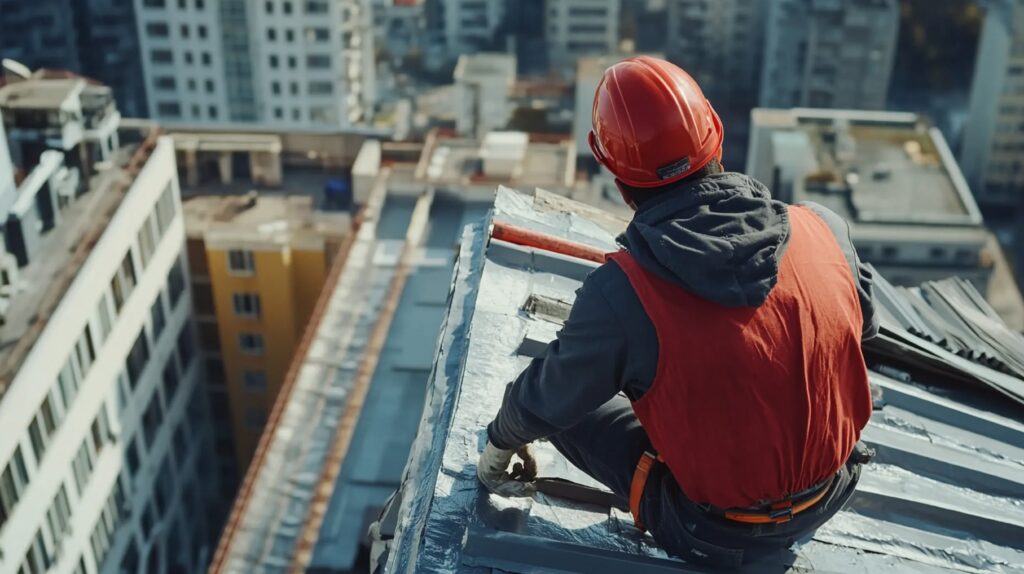
Flat roof installation in the Bronx requires more than placing a new membrane over the building. The existing roof condition, building height, access, deck structure, insulation, drainage, and flashing details all affect the final result. A properly installed flat roof should be built as a complete system, not a quick surface cover.
Bronx flat roof installation can also be more complex because many buildings are close together. Material staging, roof access, debris removal, and safety planning must be handled carefully. Older buildings may also need repairs to the roof deck or parapet walls before the new system is installed.
Flat roof replacement Bronx property owners choose should solve the original problem, not hide it. If the old roof failed because of poor drainage, trapped moisture, or weak flashing, the replacement plan must address those issues directly.
Flat Roof Installation Process
A professional flat roof installation starts with inspection and preparation. The existing roof surface is reviewed for moisture, damage, weak decking, poor slope, and old roof layers. If the deck is damaged, it must be repaired before the new system is installed.
The next stage usually involves insulation or cover board installation, depending on the roof design. Then the membrane is applied, seams are sealed or welded, and flashing is installed around edges, walls, vents, drains, and rooftop equipment.
Drainage setup is a major part of the process. A flat roof should move water efficiently to the correct drainage points. Once installed, the roof should be checked for seam quality, flashing details, drain flow, and overall workmanship.
When Flat Roof Replacement Is Necessary
Flat roof replacement becomes necessary when repairs no longer provide reliable protection. Some roofs can be patched successfully, but repeated leaks usually point to a deeper issue. Aging membranes, saturated insulation, widespread cracking, open seams, and soft roof areas are signs that replacement may be the smarter investment.
Structural warning signs should never be ignored. Sagging areas, ceiling stains, recurring ponding water, mold odors, or visible deck damage may indicate that moisture has moved beyond the roof surface.
Property owners should also consider replacement when the roof is near the end of its expected service life. Waiting too long can increase interior damage and repair costs. A professional evaluation can help determine whether Roof Replacement is needed or if targeted repairs can still extend the roof’s life.
Flat Roofing Cost in the Bronx
Flat roofing cost in Bronx properties depends on several important factors. The size of the roof matters, but it is not the only cost driver. Material choice, building height, roof access, tear-off needs, insulation, drainage work, flashing complexity, and structural repairs can all affect pricing.
Urban roofing often requires more planning than open-area roofing because crews may deal with tight streets, limited staging space, multi-story access, and older building conditions. A simple roof with clear access will usually cost less than a roof with multiple penetrations, heavy equipment, or hidden moisture damage.
Flat roofing Bronx NY property owners should compare cost based on long-term value, not only the lowest estimate. A cheaper roof that fails early may cost more over time than a properly installed system with stronger materials and better drainage planning.
Factors That Affect Flat Roofing Cost
The most common cost factors include roof size, material selection, insulation needs, access difficulty, tear-off requirements, drainage improvements, and flashing details. A roof with many vents, skylights, parapet walls, or HVAC units will usually require more labor than a simple open roof.
Building height can also affect cost because equipment, safety setup, and material movement become more complex. In the Bronx, tight property lines and busy streets may require careful scheduling and staging.
Before starting work, a contractor should inspect the roof and explain what is included in the estimate. A clear scope helps property owners understand whether the quote covers removal, disposal, insulation, membrane installation, flashing, drainage, and cleanup.
Cost Comparison of Flat Roofing Systems
The table below gives a general comparison of common flat roofing systems. Actual pricing can vary based on roof condition, access, material thickness, insulation, and project complexity.
| Flat Roofing System | Typical Strength | Best Fit for Bronx Properties | Long-Term Value Consideration |
| EPDM | Flexible and weather-resistant | Residential and light commercial roofs | Often cost-effective with proper drainage and seam care |
| TPO | Reflective and energy-conscious | Multi-family and commercial buildings | Good value when installed with strong seam welding |
| PVC | Chemical-resistant and durable | Restaurants, commercial roofs, and high-exposure areas | Higher upfront cost may be justified for demanding conditions |
| Modified Bitumen | Durable asphalt-based system | Older buildings and traditional flat roofs | Reliable when installed over a properly prepared surface |
| Built-Up Roofing | Multi-layer protection | Larger commercial or older urban roofs | Can be durable but may add weight and labor complexity |
Short-term cost matters, but long-term performance matters more. The best flat roofing material for Bronx buildings should match the structure, drainage needs, exposure level, and maintenance plan.
Maintenance & Repair of Flat Roofing Systems in the Bronx
Maintenance is one of the most important parts of flat roof performance in the Bronx. Even a strong roofing system can fail early if drains clog, seams open, flashing separates, or debris sits on the membrane for too long. Urban roofs collect more than rainwater. They can collect leaves, trash, dust, pollution, and loose materials from nearby structures.
Routine maintenance helps identify small issues before they become interior leaks. It also helps property owners plan ahead for repairs instead of waiting for emergency roof damage. For buildings with tenants or business operations, this can reduce disruption and protect the value of the property.
Flat roof repair Bronx property owners schedule early is often more affordable than repairing water-damaged interiors later. Preventive care is especially important before winter, after major storms, and during seasonal transitions.
Preventive Maintenance for Urban Flat Roofs
Preventive maintenance should focus on roof surface condition, drainage, flashing, seams, and rooftop equipment areas. In the Bronx, roofs should be checked after storms, before winter, and during spring recovery because each season creates different risks.
- Inspect drains, scuppers, and gutters so water can leave the roof without backing up.
- Remove debris from roof edges, corners, equipment areas, and drainage paths.
- Check seams, flashing, and penetrations for cracks, gaps, or loose materials.
- Look for ponding water marks that show where drainage may need improvement.
- Repair small membrane damage before moisture reaches insulation or decking.
A maintenance record is also helpful. Photos, inspection notes, and repair history can guide future decisions and support commercial roofing warranty or insurance conversations when needed.
Common Flat Roof Problems in Bronx Buildings
Common flat roof problems in Bronx buildings include ponding water, membrane punctures, flashing failures, open seams, clogged drains, cracked coatings, and damage around rooftop equipment. Many of these problems start small but grow when water sits on the roof or enters the system.
Ponding water is especially important because it adds weight and can accelerate membrane wear. Flashing problems are also common around parapet walls, vents, skylights, chimneys, and roof edges. These areas must be sealed properly because they are natural weak points.
Foot traffic can create punctures or worn areas, especially when workers walk the same path repeatedly. Rooftop equipment can also cause problems if supports are poorly installed or if water collects around the base. Regular inspection helps catch these issues before they spread.
Tips for Getting Better Performance from a Bronx Flat Roof
A flat roof can perform well for many years when the system is selected, installed, and maintained properly. The Bronx environment makes planning especially important because roofs are exposed to weather, dense surroundings, equipment access, and heavy building use.
Property owners should think beyond the surface membrane. Drainage, insulation, flashing, roof access, and maintenance habits all affect performance. A roof that looks clean on installation day may still fail early if water cannot drain correctly or if seams are not handled with care.
The best results usually come from a complete roofing approach. This means choosing the right material, correcting old problems, protecting high-traffic zones, and scheduling inspections before damage becomes serious. It also means knowing when a repair is enough and when a full replacement is the wiser choice.
Practical Ways to Extend Flat Roof Life
Flat roof performance depends on consistent care. Owners and managers can reduce risk by staying ahead of drainage, surface wear, and seasonal damage.
Important ways to extend roof life include:
- Schedule professional inspections at least once or twice a year.
- Keep rooftop equipment areas protected with proper pads or supports.
- Address small leaks quickly instead of waiting for repeated water stains.
- Make sure drainage improvements are part of any major roofing project.
- Avoid allowing unqualified workers to cut, patch, or modify the roof membrane.
These steps are simple, but they make a major difference. A flat roof rarely fails all at once. Most problems begin as small weaknesses that were missed, delayed, or repaired incorrectly.
Why Professional Flat Roofing Matters
Flat roofing is detail-driven work. The membrane may be the most visible part, but performance depends on seams, flashing, drainage, insulation, edge details, and roof penetrations. One weak area can allow water to enter even if the rest of the roof looks new.
Professional contractors understand how Bronx buildings behave. They know how older masonry, parapet walls, tight access, rooftop equipment, and drainage limitations affect flat roof performance. They can also identify whether the roof needs repair, restoration, or replacement.
A professional inspection is especially important before investing in major work. It helps avoid guesswork and gives property owners a clear plan. Whether the building needs Shingle Roofing for a pitched section or a flat membrane system for a low-slope roof, the solution should match the building’s design and real condition.
Conclusion: Are Flat Roofing Systems the Right Choice for Bronx Properties?
Flat roofing systems in Bronx buildings are a practical and reliable choice when they are designed for the borough’s urban environment. They work well on row homes, multi-family properties, apartment buildings, commercial spaces, warehouses, and mixed-use structures because they make efficient use of roof space while supporting drainage, equipment access, and long-term protection.
The key is choosing the right flat roof systems Bronx properties need based on material performance, building age, drainage conditions, and maintenance expectations. EPDM can be a strong flexible option. TPO and PVC can support reflective and commercial performance goals. Modified bitumen and built-up roofing can work well for certain older or traditional structures.
Cost, durability, and repair needs should always be evaluated together. A properly installed flat roof can help control long-term expenses, reduce leak risk, and improve building performance. A poorly planned roof can create repeated repairs, ponding water, and interior damage.
For trusted Bronx flat roofing support, contact Royal Roofing Bronx today. Call (718) 395-5061 or visit 1231 Lafayette Ave 2nd Floor, Bronx, NY 10474 to schedule your inspection. Don’t wait for a small leak to become a costly building problem.
FAQs – Flat Roofing Systems in the Bronx
What are the best flat roofing systems for Bronx buildings?
The best flat roofing systems for Bronx buildings often include EPDM, TPO, PVC, modified bitumen, and built-up roofing. The right choice depends on the building type, roof access, drainage conditions, rooftop equipment, budget, and long-term maintenance goals. A professional inspection can help match the material to the property.
How long do flat roofing systems last in the Bronx climate?
Flat roofing systems in the Bronx can last many years when properly installed and maintained. Life span depends on the material, drainage quality, weather exposure, foot traffic, and repair history. Regular inspections, drain cleaning, and timely repairs can help extend the roof’s performance and prevent premature replacement.
What is the average flat roofing cost in the Bronx?
Flat roofing cost in the Bronx varies based on roof size, material, building height, access, tear-off needs, insulation, drainage work, and flashing details. EPDM is often more budget-friendly, while PVC and complex commercial systems may cost more. A detailed roof inspection is the best way to get accurate pricing.
Are flat roofs suitable for multi-family homes in the Bronx?
Yes. Flat roofs are very suitable for multi-family homes in the Bronx because they fit urban building designs, support rooftop utilities, and make efficient use of limited space. Proper drainage, quality materials, and regular inspections are important because one roof issue can affect several units inside the building.
How often should flat roofs be inspected in urban areas?
Flat roofs in urban areas should usually be inspected at least once or twice a year and after major storms. Bronx buildings may need closer attention because of debris, rooftop equipment, foot traffic, drainage challenges, and freeze and thaw cycles. Regular inspections help catch small issues before leaks spread.