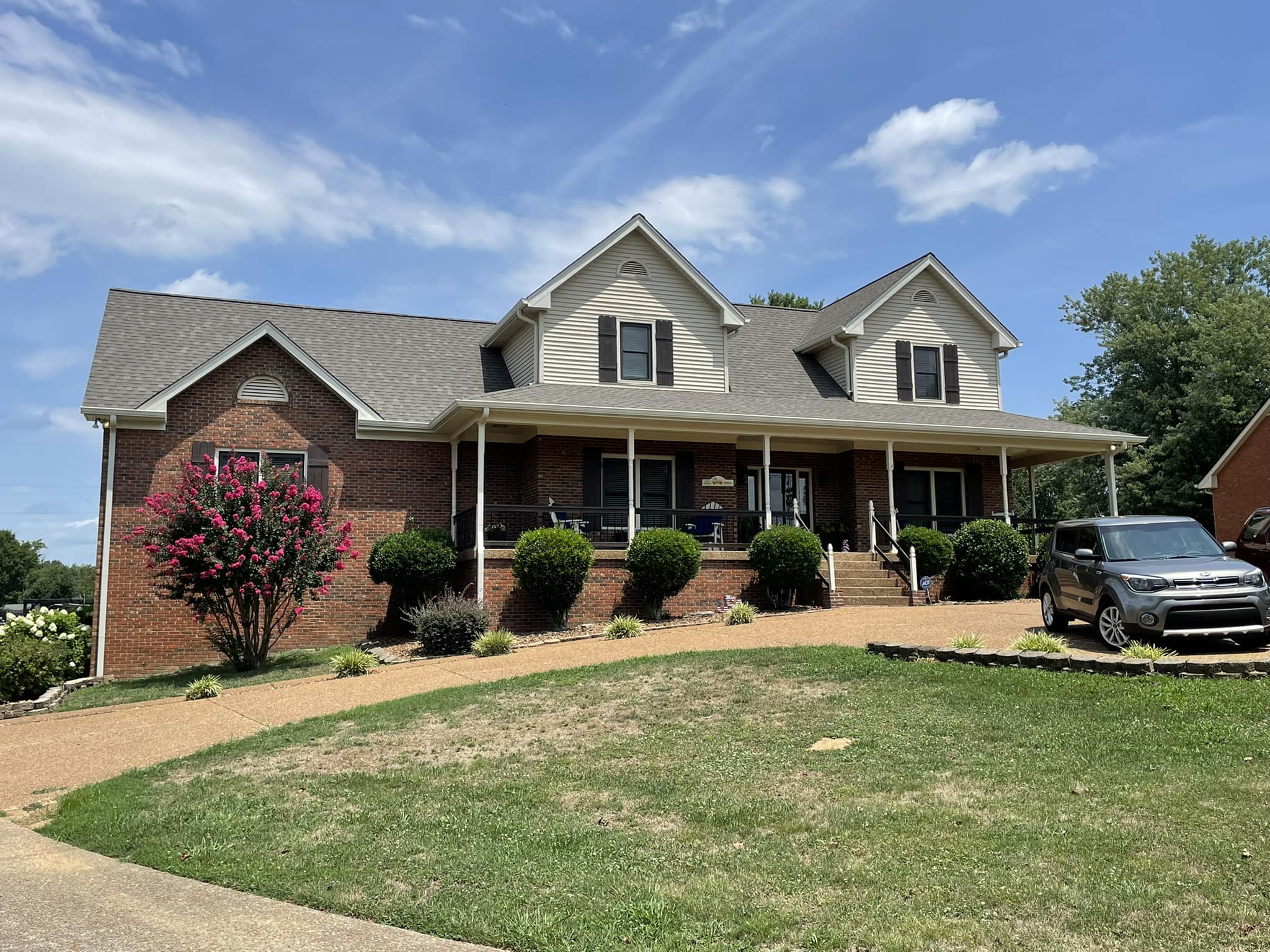
Far Rockaway roof repair is more important than many property owners realize because coastal buildings face a different kind of wear than properties farther inland in Queens. Salt air, ocean wind, humidity, heavy rain, and storm exposure can slowly damage roofs, siding, gutters, flashing, masonry, and exterior waterproofing systems.
A roof in Far Rockaway does not age the same way as a roof in a less exposed neighborhood. Salt particles can settle on shingles, flat roof membranes, vents, fasteners, gutters, parapet walls, siding panels, and sealants. Over time, this exposure can weaken the full exterior system of the building, not just the visible roof surface.
This is especially important for properties across Far Rockaway, Arverne, Edgemere, Bayswater, and Rockaway Beach, where buildings face different levels of ocean air, bay moisture, wind patterns, and storm exposure. A home closer to Rockaway Beach may deal with stronger salt spray and wind-driven sand, while a Bayswater property may struggle more with lingering humidity and bay-side moisture.
What Makes Far Rockaway’s Coastal Environment So Harsh on Roofs
Far Rockaway sits in one of New York City’s most demanding coastal environments. The combination of ocean air, seasonal storms, high humidity, and wind-driven moisture creates constant pressure on roofing and exterior materials. Even when the weather looks calm, a roof can still be exposed to salt residue and damp air.
This type of exposure is different from ordinary roof aging. Inland homes may deal with rain, snow, and seasonal temperature changes, but coastal buildings around Far Rockaway, Arverne, Edgemere, Bayswater, and Rockaway Beach also face marine air, salt spray, and moisture that can linger on surfaces longer than expected.
Salt-Laden Air and Constant Moisture Exposure
Salt particles can travel through coastal winds and settle on roofs, siding, gutters, vents, railings, skylights, chimney flashing, and exterior walls. Properties closer to the beach usually face the strongest exposure, but buildings farther from the shoreline can still be affected by wind-carried salt and humidity.
In Rockaway Beach, for example, homes and mixed-use buildings near open beach blocks may experience salt residue, sand, and wind pressure more often. In Arverne, roof edges and flat roof drains may collect salt, debris, and moisture after strong coastal winds. In Bayswater, the exposure may feel less direct, but bay moisture can still keep roof surfaces and attic spaces damp for longer periods.
Wind, Humidity, and Uneven Roof Aging
Far Rockaway homes and buildings often experience wind patterns shaped by open water, wide streets, and exposed coastal blocks. Wind can push salt spray across roof surfaces and force moisture into small gaps around flashing, vents, roof edges, parapet walls, and siding joints.
A roof may have one slope that appears healthy and another that already shows salt-related wear. Flat roofs can also develop problems near edges and drains where wind pushes debris, water, and residue into vulnerable areas.
Humidity adds another layer of stress. When moisture remains in the air, roofing and exterior materials may dry more slowly after rain, fog, ocean breeze, or winter weather. This can increase the risk of surface staining, mildew, corrosion, trapped moisture, and hidden roof deck damage.
How Salt Air Roof Damage Affects Different Building Types
Salt air exposure does not affect every property the same way. A single-family home near the shoreline may show shingle wear and gutter corrosion first, while a larger mixed-use or commercial building may develop flat roof drainage problems, flashing failure, or parapet wall damage.
The type of building matters because roof shape, height, materials, drainage systems, and exposure level all change how quickly coastal wear appears. Far Rockaway has detached homes, multi-family residences, apartment properties, mixed-use buildings, storefronts, commercial spaces, and flood-zone structures that each need a different inspection approach.
NYC Renovators Far Rockaway looks at the full structure before recommending roof repair, roof replacement, flat roofing, siding repair, gutter work, masonry restoration, or exterior waterproofing. In coastal Queens, salt air and wind-driven rain can damage more than the visible roof surface.
Single-Family Homes
Single-family homes in Far Rockaway often have pitched roofs, asphalt shingles, gutters, roof vents, chimney flashing, skylights, siding, and small flat roof sections. These homes may develop granule loss, rust stains, lifted shingles, cracked pipe collars, loose flashing, and gutter corrosion faster than similar homes farther inland.
This can be especially noticeable on homes closer to Rockaway Beach, where wind-driven sand and salt residue can wear roof surfaces more aggressively. In Bayswater, single-family homes may not always face direct beach exposure, but humid air and bay moisture can still affect attic ventilation, gutter performance, and roof drying time.
For single-family properties, regular roof inspections are important because small problems can spread quickly in coastal conditions. A minor gap near flashing or a cracked seal around a vent can allow wind-driven rain to enter the attic, roof deck, ceiling area, or wall cavity.
Siding and gutters also matter for these homes. If siding becomes loose or gutters overflow, moisture can move toward fascia boards, trim, foundation areas, and exterior walls. That is why roof repair should often be combined with gutter inspection, siding review, and moisture control.
A homeowner may not need a full roof replacement right away. In many cases, targeted roof repair, flashing replacement, gutter repair, or minor siding work can restore protection and prevent larger damage.
Multi-Family Buildings
Multi-family buildings in Far Rockaway often have larger roof surfaces, shared drainage systems, multiple roof penetrations, parapet walls, and more complex gutter or scupper layouts. These buildings are more vulnerable to flat roof ponding, membrane seam weakness, roof edge leaks, and moisture buildup around drains.
Multi-family buildings should also be checked for roof edge corrosion, drain blockages, loose coping, and moisture around shared walls. Since one roof protects several units, even a small leak can create repeated tenant complaints, ceiling stains, insulation damage, and interior repair costs.
NYC Renovators Far Rockaway can inspect roof membranes, flashing, drainage points, gutters, masonry edges, parapet walls, siding, and exterior sealants to help reduce leak risk and extend roof life for multi-family buildings.
Mixed-Use Buildings
Mixed-use buildings in Far Rockaway often combine residential units above storefronts, offices, restaurants, or small businesses. These properties may have flat roofs, rooftop equipment, vents, parapet walls, signage attachments, storefront awnings, and exterior masonry that all need protection from salt air exposure.
This is especially important in busy areas of Far Rockaway and Arverne, where storefronts, residential units, and rooftop systems often work together as one building envelope. A roof issue on a mixed-use building can affect tenants upstairs and business operations below.
Flat roof sections on mixed-use buildings need careful attention because rooftop equipment and penetrations create more leak-prone areas. If HVAC supports, vents, roof curbs, or flashing details begin to fail, water can enter quickly during coastal rain or high wind.
For mixed-use properties, roof repairs should also consider business hours, tenant access, rooftop equipment, and storefront protection. A planned maintenance approach helps reduce disruption while keeping both residential and commercial areas protected from coastal moisture.
Commercial Buildings
Commercial properties in Rockaway Beach and Arverne may face stronger open-air exposure, while commercial buildings in Far Rockaway may also deal with aging materials, roof traffic, signs, vents, and older drainage layouts. Each condition changes how the roof should be inspected.
Salt air can weaken metal components, rooftop equipment supports, fasteners, vents, drain covers, coping, and flashing details. Once corrosion begins, small openings can form around areas that are already exposed to standing water and wind pressure.
Commercial roof issues can also disrupt business operations. A leak over inventory, office space, equipment, or customer areas can create immediate stress. This is why preventive inspections and planned repairs are often better than waiting for an emergency.
Flood-Zone Properties
Flood-zone properties in and around Far Rockaway face a different level of risk because they are exposed to coastal storms, heavy rain, wind-driven moisture, and possible water intrusion around lower building areas. While roof damage happens above the structure, flood-zone buildings also need attention to gutters, siding, masonry, drainage, and waterproofing.
Flood-zone concerns can affect parts of Far Rockaway, Edgemere, Arverne, and Rockaway Beach differently depending on property elevation, proximity to open water, and how the building is drained. A roof may be the first concern after a storm, but the full exterior system should always be reviewed.
For these properties, roof repair should not be treated as a separate issue. The full building envelope matters. Strong roofing, secure flashing, working gutters, sealed exterior walls, durable siding, and sound masonry all help protect the property from repeated coastal moisture exposure.
Flood-zone buildings may also need more frequent inspections after major storms. Wind, salt residue, rain, and debris can damage roof edges, loosen exterior materials, clog gutters, and weaken seals around openings.
The Science Behind Salt Air Roof Damage
Salt air roof damage happens because salt particles interact with moisture, oxygen, and building materials. Once salt settles on a roof or exterior surface, it can speed up corrosion and weaken protective finishes. This process is especially harmful to metal components and roof areas where water already collects.
In coastal areas like Far Rockaway, salt exposure is not a one-time event. It happens repeatedly throughout the year. Wind carries salt from the ocean, humidity keeps surfaces damp, and storms increase the amount of salt and moisture hitting the building.
Corrosion of Metal Roofing Components
Metal roof components are usually the first parts affected by salt air. Nails, fasteners, flashing, vents, drip edges, pipe collars, gutter hardware, coping, and roof drains can all corrode faster near the ocean.
This is why buildings in Rockaway Beach and Arverne need careful roof edge and flashing checks. These neighborhoods often face direct wind and salt exposure, which can make exposed metal age faster. In Bayswater, corrosion may develop more quietly because moisture can linger around gutters and roof edges after damp weather.
Flashing is especially important because it protects vulnerable roof joints. If flashing rusts, lifts, or separates, leaks can form around chimneys, walls, skylights, vents, parapet edges, and roof transitions.
Chemical Breakdown of Roofing Materials
Salt does not only affect metal. It can also speed up the breakdown of asphalt shingles, protective coatings, membrane surfaces, siding finishes, and exterior sealants. Asphalt shingles rely on granules to protect the underlying material from sun, rain, and impact.
When salt residue, wind, and UV exposure wear down granules, the shingle surface becomes more vulnerable. The asphalt layer can then dry out faster, causing brittleness, cracking, curling, and surface loss.
How Salt Weakens Roof Seals and Adhesives
Roof seals and adhesives are critical for keeping water out. They are used around flashing, vents, pipe boots, skylights, roof edges, flat roof seams, gutters, siding joints, and exterior wall transitions.
Salt air can dry out, weaken, or break down these materials over time. When sealants fail, small openings form. These openings may not be visible from the ground, but they can let wind-driven rain enter the building.
This matters for mixed-use and commercial buildings in Far Rockaway and Arverne because rooftop equipment, vents, and roof penetrations create many sealed points. If those seals fail, water can move into tenant spaces, business areas, or structural layers before the leak is noticed.
Early Warning Signs of Salt Air Damage on Far Rockaway Roofs
Salt air damage often begins quietly, which makes early detection important. Many homeowners wait until they see a ceiling stain before calling for Far Rockaway roof repair, but by then the roof may already have hidden moisture damage.
In Rockaway Beach, warning signs may appear faster on roof edges, gutters, and exposed flashing because beach wind can push salt and sand across the roof surface. In Edgemere, uneven wind exposure can make one side of a roof wear faster than the other. In Bayswater, attic moisture, gutter corrosion, and slow drying after rain may be more noticeable.
Far Rockaway property owners should pay attention to roof changes after storms, high wind periods, winter freeze cycles, and long stretches of humid weather. Coastal conditions can turn minor weakness into an active leak faster than expected.
| Warning Sign | What It May Mean | Why It Matters Near the Coast |
| Rust stains | Corroding flashing, fasteners, vents, or gutter parts | Salt air can spread corrosion faster |
| Granule loss | Shingle surface is weakening | Exposed shingles age faster under sun and moisture |
| Lifted roof edges | Wind may be pulling materials loose | Coastal gusts can worsen uplift |
| Cracked sealant | Roof joints are no longer sealed properly | Wind-driven rain can enter small gaps |
| Ponding water | Flat roof drainage is not working well | Standing water increases membrane wear |
| Loose siding | Exterior wall protection may be compromised | Moisture can move behind wall surfaces |
| Masonry staining | Water may be entering brick or mortar joints | Moisture cycles can expand damage |
Rust Stains, Blistering, and Granule Loss
Rust stains on shingles, gutters, siding, fascia, or masonry may suggest that metal roof components are corroding. The rust may come from flashing, fasteners, drip edges, vent covers, roof drains, or old gutter hardware.
These signs are especially important on pitched residential roofs in Far Rockaway and Rockaway Beach. A roof may still look intact from the street, but surface wear can expose the underlying material to stronger sun, rain, and salt exposure.
Premature Roof Aging Compared to Inland Homes
A roof near the ocean may age faster than a similar roof inland. The difference is often seen in fading, cracking, curling, corrosion, sealant failure, and repeated leaks.
Inland homes may experience ordinary seasonal wear, but coastal homes deal with salt particles and moisture more often. This shortens the useful life of many roof and exterior components.
The roof may not be old by installation date, but it may be old by exposure. That is why inspection frequency should be based on conditions, not age alone.
A property in Arverne or Rockaway Beach may need closer checks because direct coastal exposure is stronger. A property in Bayswater may need more attention to moisture retention, ventilation, gutters, and areas where damp air lingers.
Hidden Damage Beneath the Roof Surface
Some salt air damage happens below the visible roof surface. If water enters through failed flashing, cracked seals, loose siding, or open masonry joints, the underlayment, roof decking, insulation, or wall structure may begin to deteriorate.
This is important for landlords and property managers because hidden damage can affect more than one unit. A small roof opening on a multi-family building can lead to repeated calls from tenants, ceiling repairs, and avoidable interior work.
Oceanfront Roofing Problems Require a Different Repair Approach
Oceanfront roofing problems require a different repair mindset than standard inland roof issues. A patch that works well in a dry inland area may fail quickly in Far Rockaway if it does not account for salt air, wind uplift, humidity, drainage, and frequent moisture exposure.
Coastal roof repair should focus on durability, compatibility, and long-term performance. That means using corrosion-resistant components, proper sealants, stronger flashing methods, wind-resistant installation details, and materials selected for shoreline conditions.
The goal is not just to stop a leak for now. The goal is to help the roof, gutters, siding, masonry, and exterior surfaces withstand the coastal environment for as long as possible.
Why Basic Roof Repairs Fail Faster Near the Coast
Basic repair methods may not hold up near the ocean because the exposure is more aggressive. Standard fasteners can corrode. Basic sealants can dry out. Weak flashing repairs can lift during coastal winds.
If a contractor only patches the visible problem without checking nearby materials, the leak may return. Salt air often affects surrounding areas, not just one damaged spot.
A coastal repair should include an inspection of flashing, fasteners, roof edges, gutters, vents, sealants, siding joints, and masonry conditions. This helps prevent repeat service calls.
For example, a leak in an Arverne flat roof may not only be caused by a membrane opening. It may also involve clogged drains, loose edge metal, or salt-damaged fasteners. A Bayswater property with attic moisture may need roof ventilation and gutter review, not only a shingle patch.
Salt-Resistant Materials and Better Details
Salt-resistant materials can make a major difference in roof performance. Stainless steel, aluminum, coated fasteners, corrosion-resistant flashing, high-quality sealants, and durable gutter components may be recommended depending on the roof system.
These materials are designed to resist rust and moisture exposure better than basic components. They may cost more upfront, but they often reduce long-term repair needs.
For coastal homes and buildings, small details matter. A strong shingle or membrane can still fail if the fasteners, flashing, gutters, and roof edges are not built for salt air.
This is why roof repair and exterior renovation in Far Rockaway should never be treated as a one-size solution. The repair should match the building type, roof design, exposure level, and neighborhood conditions.
Coastal-Specific Installation Techniques
Coastal installation techniques focus on wind resistance, sealing, and moisture management. Roof edges should be secured properly because wind uplift is often strongest near corners and perimeters.
Flashing should be installed carefully around chimneys, vents, walls, skylights, parapet walls, and roof transitions. Sealants should be selected for outdoor exposure and inspected regularly.
In Rockaway Beach and Edgemere, where wind can be more open and aggressive, roof edges and exposed corners need extra attention. In Far Rockaway’s denser residential and mixed-use areas, drainage, flashing, and roof penetrations may be the bigger concern.
Exterior Renovation Services That Help Protect Far Rockaway Properties
Salt air damage does not stop at the roof. In Far Rockaway, coastal exposure can affect siding, gutters, masonry, flashing, exterior walls, parapet walls, roof drains, and waterproofing systems. That is why many property owners need a complete exterior renovation approach instead of only a small roof patch.
NYC Renovators Far Rockaway can help property owners with roof repair, roof replacement, flat roofing, shingle roofing, commercial roofing, siding repair, gutter installation, gutter repair, masonry restoration, storm damage roof repair, roof leak repair, and coastal roofing solutions. These services work together to protect the full building envelope.
For example, a roof leak may be connected to failed flashing, clogged gutters, cracked masonry, or damaged siding. If only the roof surface is repaired, the water problem may return. A complete exterior inspection helps identify where moisture is entering and which repair will provide lasting protection.
Roofing and Flat Roof Services
Roof repair and flat roofing are especially important for coastal properties because many buildings in the Rockaway area include low-slope roof sections. These areas need strong seams, clean drains, secure flashing, and proper edge details.
Flat roofs on multi-family and commercial properties can collect water, salt residue, sand, leaves, and debris. If drains or scuppers become blocked, water sits longer on the surface and increases the risk of membrane wear.
Roof replacement becomes necessary when repairs no longer hold. If a roof has widespread corrosion, repeated leaks, major granule loss, saturated decking, or multiple failing areas, replacement may offer better long-term value than repeated patching.
Siding, Gutters, Masonry, and Waterproofing
Siding helps protect exterior walls from wind-driven rain and salt air. If panels loosen, crack, or pull away from the structure, moisture can move behind the surface and affect the wall system.
Gutters are also critical in Far Rockaway because coastal storms can bring heavy rain in a short period of time. If gutters corrode, clog, sag, or overflow, water can damage roof edges, fascia, siding, masonry, and lower exterior areas.
Masonry needs careful attention on older buildings, mixed-use properties, and structures with parapet walls. Open mortar joints, cracks, staining, and loose coping can allow water to enter the building envelope.
Best Roofing Materials for Salt-Heavy Coastal Conditions
Choosing the right roofing material is one of the most important decisions for Far Rockaway property owners. Coastal roof repair and replacement projects often reveal that some materials perform better near salt air than others.
Property owners should also think beyond the main roofing material. Flashing, fasteners, underlayment, gutters, vents, sealants, and drainage details often determine how well the roof performs over time.
| Roofing Material | Coastal Strength | Main Concern | Best Use |
| Asphalt shingles | Affordable and common | Granule loss and wind damage | Pitched residential roofs |
| Aluminum metal roofing | Strong corrosion resistance | Higher upfront cost | Coastal homes with proper design |
| Steel metal roofing | Strong when protected | Rust if coating fails | Selected coastal applications |
| EPDM flat roofing | Flexible and moisture resistant | Puncture risk | Low-slope roof sections |
| TPO flat roofing | Reflective and weather resistant | Seam quality matters | Flat roofs with sun exposure |
| Modified bitumen | Durable for flat roofs | Heat and seam wear over time | Multi-family and commercial roofs |
Asphalt Shingles in Coastal Areas
Asphalt shingles are common because they are affordable, familiar, and available in many styles. They can work in coastal areas when installed with proper underlayment, flashing, ventilation, and wind-rated products.
The downside is that salt air, wind, and sun can speed up granule loss and surface aging. Once shingles lose granules, they become more vulnerable to cracking and moisture damage.
Metal Roofing with Coastal-Grade Coatings
Metal roofing can perform well near the coast when the right metal and coating system are selected. Aluminum is often valued for corrosion resistance. Steel can be strong, but it needs protective coatings and careful maintenance.
Coastal-grade finishes help protect against salt exposure, but scratches or coating failure can create rust points. Fasteners and flashing must also match the coastal environment.
Metal roofing may offer long service life, but installation details are critical near the ocean. A poorly installed metal roof can still leak if edges, seams, and penetrations are not sealed correctly.
Flat Roofing Systems for Oceanfront Buildings
Many Far Rockaway homes, apartment buildings, mixed-use buildings, and commercial spaces have flat or low-slope roof areas. EPDM, TPO, and modified bitumen systems are common options because they provide membrane-based moisture protection.
EPDM is flexible and performs well through temperature movement. TPO can offer reflective benefits and strong welded seams when installed properly. Modified bitumen can be useful on buildings that need durable flat roof protection.
Why Far Rockaway Buildings Need Proactive Roof Maintenance
Far Rockaway roof repair becomes more expensive when property owners wait until leaks appear. Proactive maintenance helps catch salt air damage before it reaches the roof deck, attic, ceiling, tenant space, inventory area, or interior wall system.
Coastal maintenance is not about over-servicing the property. It is about recognizing that Far Rockaway buildings face more exposure than inland properties. Salt residue, wind, humidity, storms, and heavy rain create faster material breakdown.Small issues corrected early are usually easier and more affordable to manage.
Preventive Inspections for Salt Air Exposure
Coastal roofs should be inspected at least once or twice a year, with additional checks after major storms. Homes and buildings closest to the shoreline may need more frequent review.
A roof inspection should include shingles or membranes, flashing, gutters, vents, fasteners, roof edges, sealants, drains, siding, parapet walls, masonry, and attic signs of moisture.
Professional inspections are especially helpful because salt damage can begin in small details that are easy to miss from the ground.
Cleaning and Protective Treatments
Salt residue should not be allowed to build up for long periods. Gentle cleaning may help remove salt, dirt, sand, and debris from roof edges, gutters, drains, and exposed components.
Protective coatings or treatments may be useful for some roof systems, but they must be compatible with the existing material. Using the wrong coating can create adhesion problems or trap moisture.
A roofing and exterior professional can recommend whether cleaning, sealing, coating, gutter work, masonry repair, or targeted roof repair is appropriate for the building.
Preventive Care vs Emergency Repairs
Preventive care usually costs less than emergency repair. A routine inspection or minor flashing repair is often far more affordable than fixing interior water damage after a leak spreads.
For a single-family home, preventive care may mean replacing worn flashing, cleaning gutters, sealing small gaps, or repairing loose shingles. For a multi-family or commercial building, it may mean checking drains, roof seams, parapet walls, coping, and rooftop equipment supports.
For coastal properties, prevention is usually the smarter financial decision. It gives owners more control over timing, budget, and repair decisions.
When to Choose Coastal Roof Repair Over Full Replacement
Coastal roof repair may be enough when the damage is limited, the structure is still sound, and the issue can be corrected with durable materials. Not every salt air problem means the entire roof must be replaced.
Repair may be the right choice when the roof has isolated flashing corrosion, a few damaged shingles, minor sealant failure, localized membrane damage, or a single leak source. If the roof is otherwise healthy, targeted repair can restore protection and extend service life.
The decision should be based on age, exposure level, repair history, material condition, drainage, ventilation, and structural integrity. A coastal roofing inspection can help property owners compare repair cost with replacement value.
When Repair Makes Sense
Repair can make sense when the problem is limited and the surrounding roof is still in good condition. A small flashing issue, a few lifted shingles, a cracked pipe boot, or one flat roof seam problem can often be corrected without replacing the full roof.
This is common on newer roofs or mid-life roofs that have been maintained. In these cases, the repair should still use materials that can handle coastal exposure. Basic patching may save money at first but fail faster if salt air and wind are not considered.
For homes in Bayswater or Far Rockaway with isolated moisture issues, repair may include flashing work, gutter repair, ventilation improvement, or targeted shingle replacement. For flat roofs in Arverne or Edgemere, repair may focus on seams, drains, edges, or roof penetrations.
When Replacement Becomes the Better Choice
Replacement may be the better choice when damage appears across multiple areas of the roof. If shingles are losing granules across large sections, flat roof seams are failing repeatedly, or corrosion appears around many roof details, patching may no longer be practical.
For coastal buildings, replacement should include the full exterior strategy. Roofing, flashing, gutters, drainage, siding, masonry, and waterproofing details should work together to protect the property.
Conclusion: Protecting Far Rockaway Roofs and Exterior Surfaces from Salt Air
Salt air can damage Far Rockaway roofs and exterior surfaces faster than many property owners expect. The combination of ocean breeze, humidity, wind-driven moisture, heavy rain, and salt residue can weaken shingles, corrode flashing, loosen fasteners, damage sealants, stain siding, wear gutters, and shorten roof lifespan.
For trusted help, contact Royal Roofing & Siding Far Rockaway at 718-831-6489. Our team serves homeowners throughout Far Rockaway, Queens, NY, with coastal roof inspections, repairs, and long-term roofing solutions designed for salt air exposure.
FAQs About Salt Air Roof Damage in Far Rockaway
How does salt air damage roofs in Far Rockaway?
Salt air can settle on shingles, flashing, fasteners, gutters, vents, and flat roof membranes. Because salt holds moisture, it can speed up corrosion, weaken sealants, wear down shingle granules, and cause roof materials to age faster than they would in inland areas.
Do Far Rockaway, Arverne, Edgemere, Bayswater, and Rockaway Beach have different roofing concerns?
Yes. Far Rockaway properties often deal with a mix of coastal humidity, aging materials, and storm exposure. Arverne and Rockaway Beach may face stronger beach wind and salt spray. Edgemere can experience open wind patterns and uneven roof wear. Bayswater may have more bay-side moisture, attic humidity, and slow roof drying after rain.
Which building types need the most coastal roof maintenance?
Single-family homes, multi-family buildings, mixed-use properties, commercial buildings, and flood-zone properties all need regular roof maintenance near the coast. Buildings with flat roofs, parapet walls, exposed roof edges, rooftop equipment, older masonry, or poor drainage may need closer inspections.
Can salt air damage siding, gutters, and masonry too?
Yes. Salt air can affect more than the roof. It can corrode gutters, stain siding, loosen exterior seals, weaken masonry joints, and allow moisture into exterior walls. That is why Far Rockaway properties often need a full exterior inspection instead of only a roof check.
What are early signs of salt air roof damage?
Common warning signs include rust stains, missing shingle granules, lifted roof edges, cracked sealant, loose flashing, ponding water, clogged gutters, stained siding, and moisture marks inside the property. These signs should be inspected early because coastal damage can spread quickly.
Is roof repair enough, or does my Far Rockaway property need roof replacement?
Roof repair may be enough if the damage is localized and the roof is still structurally sound. Roof replacement may be better when there are repeated leaks, widespread corrosion, major granule loss, failing flat roof seams, saturated decking, or multiple damaged areas.