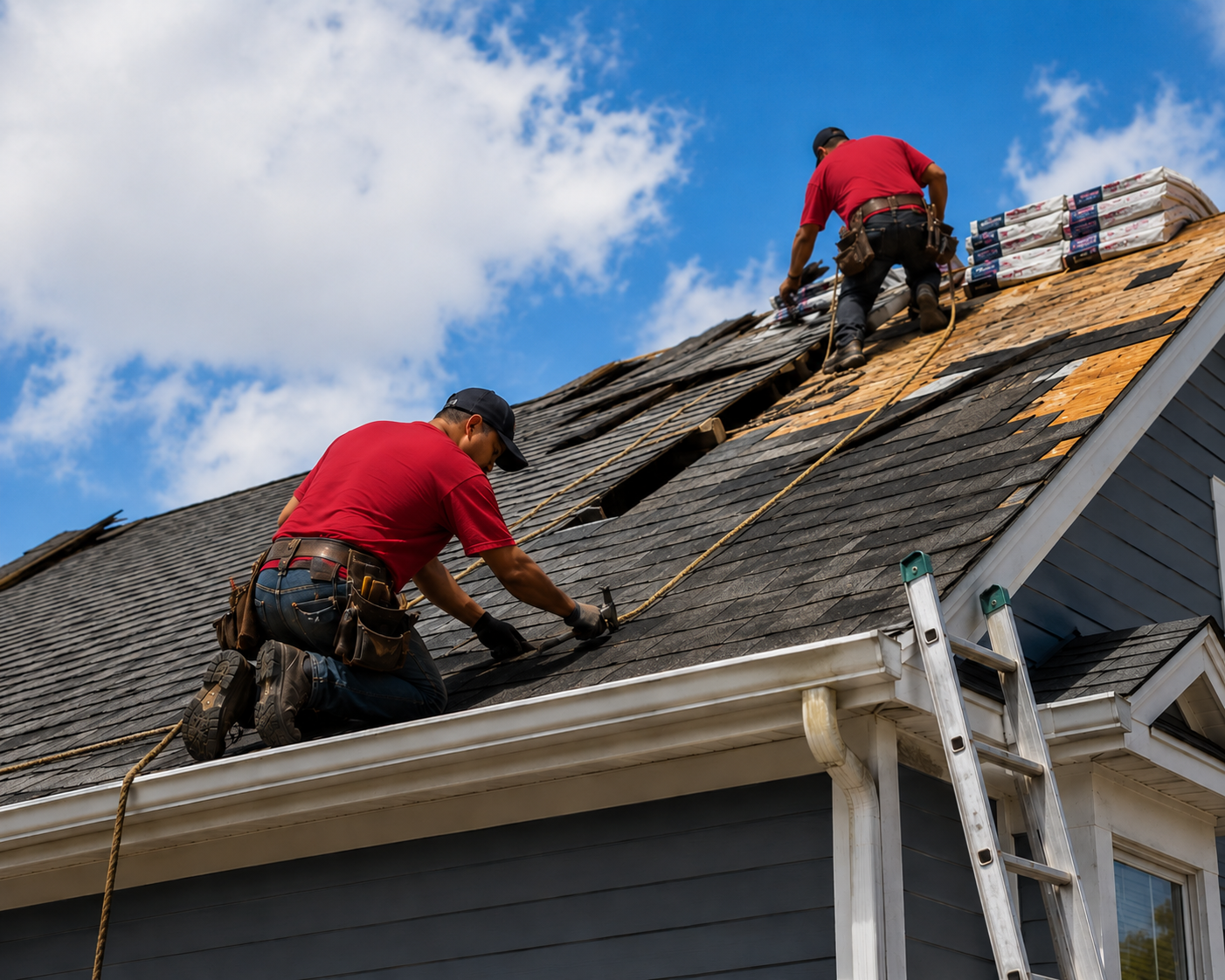
Choosing the Best Roofing Materials Far Rockaway homes need starts with understanding the oceanfront environment. Homes near Rockaway Beach and other coastal NYC areas face salt air, wind pressure, humidity, strong sun, storms, and moisture cycles that can shorten roof lifespan faster than many inland neighborhoods.
This guide focuses on material selection for Rockaway Beach and coastal NYC homes, not general roof repair. You will learn which roofing materials perform better near the ocean, where each material works best, why salt-resistant details matter, and how professional installation affects long-term roof performance.
NYC Renovators Far Rockaway helps homeowners, landlords, property managers, and business owners choose roofing systems that fit coastal exposure. Whether the property needs shingle roofing, flat roofing, commercial roofing, roof replacement, gutters, siding, masonry, waterproofing, or exterior protection, the right material choice starts with understanding the local environment.
What Makes Rockaway Beach and Coastal NYC So Demanding on Roofing Materials
Rockaway Beach and nearby Far Rockaway homes sit in a coastal zone where roofing materials face constant environmental stress. Ocean air carries salt and moisture across roofs, while wind moves quickly over open shoreline areas. These conditions create faster wear than many homeowners expect.
The challenge is that coastal damage often begins slowly. A roof may not leak right away, but fasteners may corrode, shingles may lose granules, sealants may shrink, and flashing may weaken. Over time, those small changes can reduce roof performance and lead to larger repairs.
This is why material choice should never be based only on appearance. A coastal roof needs to be selected as a full system. The visible roof surface matters, but underlayment, flashing, fasteners, gutters, roof edges, ventilation, and drainage all affect how well the roof performs.
Constant Salt Air and Moisture Exposure
Salt particles can travel from the shoreline through wind, mist, and ocean air. These particles settle on shingles, metal flashing, gutters, vents, fasteners, pipe collars, skylight frames, and roof edges. Even when the weather is calm, salt remains part of the environment.
Salt holds moisture, which means roofing materials may stay damp longer. This can increase corrosion risk on metal components and speed up surface wear on shingles, coatings, membranes, and sealants. Over time, the roof may look older than its actual age.
This daily moisture stress is one reason Far Rockaway roofing systems need careful planning. A roof material may be durable by itself, but it still needs the right supporting components to perform near the ocean.
Strong Coastal Winds and Uplift Pressure
Coastal winds can place heavy pressure on roof edges, corners, ridges, valleys, and flat roof seams. Beach areas often have fewer barriers, which allows gusts to hit roofs more directly than in protected inland blocks.
Lightweight materials or poorly fastened roof systems may lift, shift, or loosen over time. Once wind opens a small gap, rainwater can enter and create hidden damage below the roof surface. This is why wind rating and installation quality matter just as much as the material itself.
Wind resistance depends on material choice, fastening method, roof slope, edge securement, underlayment, and flashing. Even strong materials can fail if the roof edges and transitions are not properly secured.
High Humidity and Temperature Fluctuations
Humidity near the ocean keeps roofing materials damp for longer periods. Morning dew, fog, rain, and coastal moisture can collect on the roof and slow drying between weather cycles. This is especially true on shaded roof slopes or low-slope areas where water does not move away quickly.
Temperature changes also cause roofing materials to expand and contract. If the material is already weakened by salt and moisture, this movement can cause cracks, seal failure, surface fatigue, and edge separation.
A coastal roof needs materials that manage both moisture and movement. That is why material selection should always be matched to the home’s exposure, roof slope, ventilation needs, and drainage design.
In Far Rockaway, one roof may include several conditions at once. A pitched front roof may need high-quality shingles, while a rear low-slope area may need a flat roofing membrane. The best system is the one that fits the building, not the one that looks best on paper.
How Coastal Conditions Impact Roofing Material Performance
Roofing near ocean areas is challenging because coastal conditions affect each part of the roof system differently. The visible roof surface may show fading or staining, while hidden components may be corroding, loosening, or trapping moisture beneath the surface.
If one part of the system fails, the rest of the roof can become vulnerable. For example, a durable shingle roof can still leak if the flashing corrodes. A strong flat roof membrane can still fail if the seams, drains, or edge securement are weak.
Homeowners near Rockaway Beach should think of roofing as a complete system. The best material is the one that works with the home’s structure and coastal exposure, while also supporting long-term maintenance.
Accelerated Corrosion of Metal Components
Metal parts are often the first to show coastal wear. Fasteners, flashing, vents, pipe collars, drip edges, gutters, roof drains, and edge metal can corrode faster near the ocean because salt speeds up rust and metal breakdown.
Once corrosion begins, it can weaken the connections that keep roofing materials in place. Rusted fasteners may loosen, flashing may separate, and roof edges may become more vulnerable to wind and water. A roof surface may still look strong while the metal details around it are failing.
For coastal homes, small details are not minor. The fasteners, flashing, sealants, and edge materials can decide whether the roof performs well or becomes a repeat repair problem.
Material Breakdown from Salt and UV Exposure
Salt and sunlight can work together to shorten roof life. Asphalt shingles may oxidize faster, lose granules, and become brittle. Protective coatings on metal or flat roof surfaces may also wear down faster in coastal conditions.
The right roofing material should balance cost, durability, maintenance, and exposure. For some homes, high-quality asphalt shingles may be practical. For others, flat roofing membranes or coastal-grade metal details may offer better long-term protection.
Sealant and Adhesive Failure in Coastal Climates
Sealants and adhesives protect roof transitions, flashing points, vents, skylights, chimneys, pipe boots, and flat roof seams. In coastal climates, these materials face salt, moisture, wind movement, heat, cold, and daily expansion.
Over time, sealants may shrink, crack, or pull away. Adhesives may weaken as materials expand and contract. Once this happens, water can enter small openings and create hidden leaks beneath the roof surface.
Regular inspection helps catch these issues before they create interior damage. Choosing the right material is important, but maintaining the details around that material is just as important.
Warning Signs That Your Roofing Material Is Failing Near the Coast
Knowing the warning signs of roofing material failure helps homeowners act before a small issue becomes an expensive problem. Coastal roof damage does not always begin with a dramatic leak. It often starts with surface wear, rust marks, minor lifting, soft spots, stains, or hidden moisture.
Homeowners searching for the best roofing materials Far Rockaway properties need may already be seeing signs that their current roof is not holding up well near the ocean. Early symptoms should be taken seriously because coastal conditions can make minor damage spread quickly.
Warning signs may appear on shingles, flashing, gutters, flat roof membranes, vents, ceilings, or attic spaces. Some are visible from the ground, while others require a professional inspection. A roof that fails earlier than expected may not only be old. It may be the wrong material for the location or installed without coastal-grade details.
The warning signs that matter most near Rockaway Beach and Far Rockaway include:
- Shingle granules collecting in gutters or near downspouts
- Rust marks around flashing, vents, fasteners, or gutters
- Lifted roof edges, curling shingles, or loose membrane seams
- Dark stains, algae growth, moss, or surface blistering
- Ceiling stains, attic dampness, or musty odors after humid weather
Granule Loss, Rust Marks, and Surface Blistering
Granule loss is a major warning sign on asphalt shingles. Granules protect the shingle from sunlight, wind, and weather. When they wash into gutters or leave bald patches, the shingle becomes more vulnerable to UV exposure and moisture.
Surface blistering can appear when heat and moisture affect roofing materials. Near the coast, trapped moisture can make this issue worse. Blisters, bubbles, or lifted patches can suggest that moisture or heat is stressing the roof surface.
If these signs appear early in the roof’s lifespan, it may mean the material is not performing well in the coastal environment. A professional inspection can determine whether repair, maintenance, or replacement is the better option.
Shortened Lifespan Compared to Inland Homes
Coastal roofs may not last as long as similar roofs in inland areas. Salt, humidity, wind, and UV exposure can all shorten material life when the roof is not designed for the environment.
A roof that should last many years may show signs of aging earlier near the ocean. This can include fading, cracking, curling, loose flashing, repeated small leaks, rust stains, and worn sealants.
Hidden Damage Below the Roof Surface
Some of the most serious damage happens beneath the visible roof surface. Underlayment can weaken, decking can absorb moisture, and insulation can become damp. These issues may not be visible until interior stains appear.
Hidden damage is common when wind roof, salt, or seal failure allows moisture to move under shingles or flat roof membranes. The surface may look normal while the lower layers are deteriorating.
A professional roof inspection can check for soft decking, moisture stains, underlayment failure, attic ventilation issues, and signs of trapped moisture. This is especially important after storms or long periods of humid weather.
Hidden damage should be addressed quickly because once the roof deck or insulation is affected, repairs become more expensive than simple surface work.
Why Standard Roofing Materials Often Fail Near the Ocean
Standard roofing materials often fail near the ocean because they are not always built for salt-heavy air, high humidity, and strong coastal wind. Materials that perform well inland may age faster when exposed to daily salt residue and moisture.
Salt-resistant roofing systems often include upgraded fasteners, stronger flashing, weather-rated sealants, algae-resistant shingles, coastal-grade coatings, and properly designed drainage. These details help the roof perform as a system rather than a collection of separate parts.
Inland-Grade Materials vs Coastal Reality
Inland-grade roofing products may be designed for general rain, snow, and sun exposure. Coastal homes face those same conditions plus salt air, higher moisture levels, stronger wind pressure, and more frequent surface wear.
That extra exposure can cause materials to deteriorate faster. Standard fasteners may rust, basic sealants may crack, and lower-grade shingles may lose granules early. Flat roof seams may also fail sooner if the membrane and edges are not installed for coastal movement.
A coastal home needs roofing decisions based on location. What works in a protected neighborhood may not be the best choice near Rockaway Beach or Far Rockaway. The roof should match the exposure, not just the budget.
This is why NYC Renovators Far Rockaway reviews the full roof condition before recommending material choices. A roof replacement near the ocean should consider both the visible surface and the hidden details that protect it.
Importance of Salt-Resistant Fasteners and Coatings
Salt-resistant fasteners and coatings are small details with a big impact. Stainless steel, aluminum, coated fasteners, corrosion-resistant flashing, and coastal-grade finishes help reduce the risk of rust and failure.
Important coastal material details include:
- Corrosion-resistant fasteners for shingles, flashing, and edge systems
- Coated or aluminum flashing around roof transitions
- Algae-resistant shingles for humid roof slopes
- Compatible sealants designed for coastal exposure
- Proper gutter materials that resist salt-related corrosion
These details help protect the whole roof, not just the visible surface. A strong roofing material can still fail if the fasteners or flashing beneath it break down early.
For homes near the ocean, material details should be selected with long-term exposure in mind. Saving money on small components can lead to larger repair costs later.
Coastal-Specific Installation Requirements
Coastal installation requires stronger attention to fastening, sealing, ventilation, drainage, and edge protection. Wind uplift can loosen roof edges and corners if they are not properly secured.
Enhanced sealing helps block wind-driven rain from entering around vents, skylights, walls, chimneys, and roof penetrations. Proper underlayment adds a second layer of protection when water gets under the surface.
A coastal roof installation should also consider drainage and ventilation. These systems help remove moisture and reduce hidden damage. Poor airflow can trap humidity, while poor drainage can keep water sitting on the roof.
Installation quality is often what separates a roof that performs well from one that fails early. A good coastal material still needs a contractor who understands shoreline exposure.
Best Roofing Materials for Homes Near Rockaway Beach
The best roofing materials for homes near Rockaway Beach depend on roof slope, distance from the ocean, budget, home style, existing structure, and maintenance needs. There is no single material that is perfect for every property.
For pitched homes, asphalt shingles may still be a practical option when upgraded products and proper installation are used. For homes seeking stronger durability, coastal-grade metal may be worth considering. For low-slope or flat roof areas, EPDM and TPO systems can provide strong moisture resistance.
NYC Renovators Far Rockaway can help evaluate whether the existing roof material is still suitable or whether a better coastal roofing system should be considered. The right choice depends on condition, age, drainage, wind exposure, and long-term maintenance goals.
Asphalt Shingles: When They Work Near the Coast
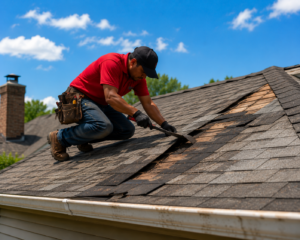
Asphalt shingles can work near the coast when they are high quality, properly rated, and professionally installed. They are cost-friendly, widely available, and suitable for many pitched residential roofs.
For Rockaway Beach homes, shingles should be paired with strong underlayment, proper flashing, good ventilation, and routine maintenance. Homes with shaded roof slopes may also benefit from algae-resistant shingles.
Asphalt shingles can be a smart option when homeowners want a practical balance of cost and performance. The important thing is choosing the right grade and making sure the installation is designed for coastal exposure.
Metal Roofing with Coastal-Grade Finishes
Metal roofing can be a strong choice for coastal homes when the right material and finish are selected. Aluminum is often valued near the ocean because it resists corrosion better than many standard metals.
Metal roofing can offer long service life and strong wind performance, but it usually costs more upfront than asphalt shingles. It also requires careful detailing because scratches, exposed fasteners, or incompatible metals can create corrosion points.
For homeowners looking for long-term durability, metal roofing may be worth considering. It is especially important to use coastal-grade components rather than treating metal roofing as a standard inland installation.
Flat Roofing Systems for Coastal Homes
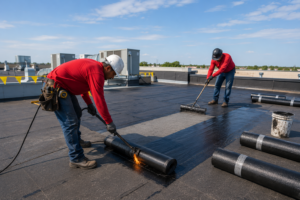
Flat roofing systems are common on low-slope sections, additions, garages, apartment buildings, mixed-use properties, and certain coastal homes. EPDM and TPO are two common choices for these areas.
EPDM offers flexibility and reliable waterproofing. TPO offers reflective benefits and strong welded seams when installed properly. Both can perform well near the ocean with proper drainage and edge securement.
Proactive Maintenance to Extend Roof Life in Coastal NYC
Even the best roofing material needs maintenance near the ocean. Salt residue, humidity, wind, and sun exposure can slowly weaken materials if the roof is ignored. A coastal roof is not a one-time installation. It is a system that needs periodic review.
Roofing near ocean homes should be inspected more often than inland homes. Maintenance helps identify corrosion, granule loss, algae growth, loose flashing, weak seals, drainage problems, and attic moisture before they become expensive repairs.
Coastal Roof Inspections and Maintenance Schedules
Coastal roofs should usually be inspected at least once or twice a year and after major storms damage. Homes very close to Rockaway Beach may need more frequent checks because salt, wind, and humidity are stronger near the shoreline.
A coastal inspection should look at shingles, metal components, fasteners, flashing, flat roof seams, vents, gutters, roof edges, attic moisture signs, sealants, and drainage areas.
For properties in Far Rockaway, Arverne, Edgemere, Bayswater, and Rockaway Beach, inspection frequency should match exposure level. A shaded or beach-facing roof may need more attention than a roof protected by nearby buildings.
Cleaning Salt Residue and Applying Protective Treatments
Salt residue removal helps reduce corrosion and surface wear. Cleaning should be done carefully because aggressive methods can damage shingles or membranes. Pressure washing is usually not the right approach for asphalt shingles because it can remove protective granules.
Protective coatings may help some roof systems, especially certain metal and flat roof surfaces. The coating must be compatible with the existing material. Using the wrong coating can create adhesion problems or trap moisture.
Useful maintenance steps include:
- Remove salt residue and debris from roof edges and gutters
- Clean algae or moss using roof-safe methods
- Reapply compatible sealants where needed
- Check attic ventilation for moisture control
- Repair small flashing or fastener issues early
These steps help the roof dry properly and resist long-term coastal wear. Maintenance should always match the roof material because shingles, metal, EPDM, and TPO all require different care.
Why Maintenance Protects Material Performance
Maintenance is usually less expensive than early roof replacement. A small repair, safe cleaning, or inspection can prevent damage from spreading into the roof deck, attic, insulation, or interior walls.
A well-maintained roof can delay replacement, reduce repair frequency, and improve long-term property value. It can also help the homeowner understand when the roof is aging normally and when the material is no longer suitable for the coastal environment.
For NYC Renovators Far Rockaway, maintenance is not only about the roof surface. Gutters, siding, masonry, flashing, ventilation, and waterproofing all support the roof’s ability to perform near the ocean.
Choosing the Right Time for Roof Replacement Near the Coast
Choosing the right time for roof replacement near the coast depends on age, exposure, material condition, repair history, and structural integrity. Some roofs can be maintained or repaired for several more years. Others are no longer worth repeated patching.
Salt-resistant roofing systems make the most sense when the existing roof is failing because of coastal exposure. If shingles are curling, fasteners are rusting, underlayment is weak, flat roof seams are opening, or leaks keep returning, replacement may provide better long-term protection.
When Repairs Still Make Sense
Repairs may still make sense when the damage is localized and the roof system is otherwise healthy. A small flashing issue, a few damaged shingles, minor sealant failure, or one flat roof seam problem may not require full replacement.
If the roof deck is dry, the underlayment is still reliable, and the surrounding materials have useful life left, targeted repair may extend roof performance. The repair should still use coastal-appropriate materials.
The key is to avoid repeated patching when the roof is clearly failing. If repairs are becoming frequent, replacement may be more practical.
When Replacement Becomes the Better Choice
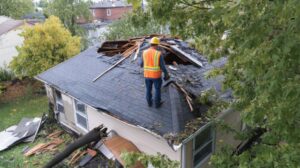
Replacement becomes the better choice when the roofing material is failing across multiple areas. Widespread shingle curling, heavy granule loss, repeated leaks, rusted flashing, soft decking, and recurring flat roof seam problems are signs that repairs may no longer provide reliable protection.
A roof near the ocean may also need replacement when the original material was not suitable for coastal conditions. If the roof was installed with standard fasteners, weak flashing, poor ventilation, or basic sealants, upgrading the full system may be better than repairing one issue at a time.
Why Professional Material Guidance Matters
Professional material guidance matters because every coastal property is different. A Rockaway Beach home directly facing the ocean may need a different system than a Bayswater home with more humidity and less direct salt spray. A Far Rockaway mixed-use building may need flat roofing and drainage planning that a single-family pitched roof does not require.
NYC Renovators Far Rockaway can review roof slope, existing material, drainage, ventilation, exposure level, and repair history before recommending a roofing system. This helps avoid choosing a material that looks good but does not perform well in the local environment.
Conclusion: Choosing the Right Roofing Material for Coastal NYC Homes
Coastal environments demand specialized roofing materials because salt air, humidity, wind, UV exposure, and storms can shorten roof lifespan. Homes near Rockaway Beach and Far Rockaway need roofing systems that are selected for ocean exposure, not just standard weather.
Salt-resistant systems can significantly extend roof life when they include the right surface material, fasteners, flashing, sealants, ventilation, drainage, and edge details. Material choice affects maintenance needs, repair costs, energy performance, and long-term durability.
For expert help, contact Royal Roofing & Siding Far Rockaway at 718-831-6489. Our team serves homeowners throughout Far Rockaway, Queens, NY, with coastal roofing guidance, inspections, and material recommendations built for oceanfront conditions.
FAQs About Roofing Materials for Coastal Homes Near Rockaway Beach
What roofing material lasts the longest near the ocean?
Coastal-grade metal, EPDM, TPO, and high-quality asphalt shingles can last well near the ocean when installed correctly. The best choice depends on roof slope, exposure, budget, ventilation, drainage, and maintenance needs.
Are metal roofs better than shingles for coastal homes?
Metal roofs can offer strong durability and wind resistance, but they need coastal-grade coatings, corrosion-resistant fasteners, and proper detailing. Shingles can still work well when they are high quality and installed for coastal exposure.
How does salt air affect different roofing materials?
Salt air can corrode metal parts, wear down coatings, weaken sealants, and speed up shingle aging. Materials with corrosion-resistant details usually perform better near the ocean.
Is EPDM or TPO better for coastal flat roofs?
EPDM offers flexibility and reliable waterproofing, while TPO provides reflective benefits and strong welded seams. The better option depends on drainage, sun exposure, budget, roof design, and installation quality.
How often should coastal roofs be inspected?
Coastal roofs should usually be inspected once or twice a year and after major storms. Homes closest to the beach may need more frequent inspections due to stronger salt, wind, humidity, and moisture exposure.
Are coastal roofing materials more expensive?
Coastal roofing materials may cost more upfront because they often require stronger coatings, fasteners, sealants, flashing, and installation details. They can save money over time by reducing repairs and early replacement.
Can the right roofing material reduce storm damage risk?
Yes. The right roofing material can reduce storm damage risk when paired with proper fastening, flashing, drainage, ventilation, and edge protection. No roof is storm proof, but better materials improve performance.