Far Rockaway Roof Maintenance is especially important because homes and buildings near the ocean face constant moisture from sea air, seasonal humidity, fog, rain, and changing coastal weather. Roofs in this part of Queens do not only age from sun exposure, storms, or salt air. They also age slowly from moisture that settles into roofing materials day after day.
Coastal humidity is different from storm damage and salt air corrosion. Storm damage is often sudden and visible. Salt air can corrode flashing, fasteners, gutters, and metal roof accessories.
For homes across Far Rockaway, Arverne, Edgemere, Bayswater, and Rockaway Beach, moisture conditions can change by location and building type. A Rockaway Beach home may face ocean mist and open coastal airflow, while a Bayswater home may deal more with bay-side dampness and slow roof drying.
NYC Renovators Far Rockaway helps homeowners, landlords, property managers, and business owners with roof inspections, roof repair, roof replacement, flat roofing, shingle roofing, gutters, siding, masonry, waterproofing, and moisture-focused exterior maintenance. In a coastal neighborhood, protecting the roof means protecting the entire building envelope from dampness, leaks, and long-term wear.
What Makes Far Rockaway’s Coastal Climate So Moisture Heavy
Far Rockaway’s location near the Atlantic Ocean creates a moisture-heavy environment that can be difficult on residential and mixed-use roofing systems. Ocean air carries humidity across homes throughout the year, and roofs near the shoreline often stay damp longer than roofs in inland neighborhoods.
This constant moisture does not always create immediate leaks. Instead, it slowly affects shingles, roof membranes, underlayment, flashing, decking, ventilation, insulation, gutters, siding joints, and masonry details. Over time, small moisture problems can turn into roof stains, soft decking, algae growth, attic condensation, and shortened roof life.
Far Rockaway properties also include different roof types. Some single-family homes have pitched asphalt shingle roofs, while many multi-family, mixed-use, and commercial buildings include flat or low-slope roof areas. Humidity affects each system differently, so a maintenance plan should match the property.
Constant Ocean-Driven Humidity Levels
Ocean-driven humidity affects Far Rockaway roofs even during calm weather. The roof may not be hit by rain, but damp air can still settle on the surface and around roof edges, gutters, vents, flashing, and drainage areas. This moisture can remain longer when the sky is overcast or when the roof is shaded.
Daily moisture exposure can make a roof age faster than expected. Homes close to the shoreline often need more frequent maintenance because their roofs rarely get the same drying time as inland properties.
Limited Drying Time Between Weather Cycles
Fog, dew, overnight condensation, rain showers, and humid air can create short drying windows. A roof may dry partially during the day, then absorb moisture again overnight. Over time, this repeated cycle keeps the roof under constant moisture stress.
Limited drying time is one reason humidity damage can be so persistent. The roof does not need a major storm to experience moisture stress. A long stretch of humid weather can be enough to expose weak ventilation, clogged gutters, shaded roof slopes, or failing flashing.
For Far Rockaway roof maintenance, timing matters. A roof should be inspected before small moisture issues become active leaks, because humidity problems often grow slowly before they become visible inside the home.
Humidity Trapped in Roofing Systems
Humidity becomes more serious when it gets trapped inside the roofing system. Poor attic ventilation can allow warm, moist indoor air to rise and collect beneath the roof deck. When that air meets cooler roof surfaces, condensation can form.
A healthy roof near the ocean must manage both outside moisture and inside humidity. Ventilation, insulation, drainage, roof materials, gutters, flashing, and waterproofing all work together to protect the property.
For older homes in Far Rockaway and Bayswater, attic ventilation is especially important because older roof systems may not move humid air out efficiently. For flat roof buildings in Edgemere or Arverne, moisture control may depend more on drainage, membrane seams, and roof edge details.
The Science Behind Moisture Damage Roofing
Moisture damage roofing begins when water vapor, condensation, or damp air stays in contact with roofing materials longer than the system can tolerate. Roofing materials are designed to shed water, but they are not meant to stay damp constantly.
In Far Rockaway, humidity affects the roof in layers. Moisture can sit on the surface, enter small cracks, settle into algae growth, move beneath shingles, collect near seams, or condense inside attic spaces. Over time, this creates a cycle of absorption, slow drying, and material fatigue.
How Moisture Penetrates Roofing Materials
Moisture can penetrate roofing materials through capillary action, small cracks, lifted shingles, open seams, loose flashing, and weak roof penetrations. Capillary action allows water to move into tiny gaps, even when there is no obvious opening.
Shingles and membranes can also hold moisture when dirt, algae, moss, leaves, or debris sit on the surface. This slows evaporation and keeps the roof damp. On flat roofs, water can remain near low spots, seams, roof drains, and scuppers if drainage is not working correctly.
This is one reason a Far Rockaway roof should be checked for more than missing shingles. Moisture movement, flashing details, ventilation, drainage, and roof surface growth all need attention.
Mold, Algae, and Fungal Growth Formation
Humidity creates ideal conditions for algae, mold, moss, and fungal growth. Dark streaks on shingles often come from algae growth, while moss may appear on damp shaded roof areas. Flat roofs may develop staining or biological growth around low spots and drainage areas.
These growths do more than affect appearance. They can trap moisture against the roof surface and speed up material breakdown. Moss can lift shingle edges, while algae can make a roof look older and hold dampness longer.
Moisture’s Impact on Roof Structural Integrity
Long-term moisture exposure can affect the structure beneath the roof. Wood decking may soften, rot, or lose strength. Insulation can become saturated and less effective. Fasteners may loosen if the surrounding material weakens.
When insulation gets damp, it can also reduce energy efficiency. The home may become harder to heat or cool because wet insulation does not perform as well. This can lead to comfort issues and higher energy use.
Structural moisture damage is one of the main reasons homeowners should act early. Once decking or insulation is affected, repairs become more expensive and more disruptive.
For multi-family and mixed-use buildings, hidden moisture can also affect multiple units or tenant areas. A small roof moisture issue can become a larger property management concern if it is not addressed quickly.
Early Warning Signs of Humidity-Related Roof Damage
Humidity-related roof damage often starts with small visual clues. Many homeowners ignore dark streaks, moss, minor staining, or a damp attic smell because there is no active leak. In coastal areas, these early signs should be taken seriously.
A moisture-focused inspection can determine whether the problem is surface-level staining, ventilation-related condensation, drainage trouble, or hidden roof system damage.
Dark Streaks, Algae Stains, and Moss Growth
These signs may seem cosmetic, but they can reduce roof performance by holding moisture against the surface. The longer the growth remains, the more likely it is to contribute to shingle wear, lifted edges, and surface deterioration.
Homeowners should avoid aggressive pressure washing because it can damage shingles and remove protective granules. A roofing professional can recommend safer cleaning methods based on the roofing material.
Important early signs to watch for include:
- Dark streaks or green staining on shaded roof slopes
- Moss growth near valleys, roof edges, or overhanging trees
- Damp attic smells after humid weather
- Granules collecting in gutters after long wet periods
- Small stains near ceilings, vents, or upper wall areas
Premature Roof Aging Near the Ocean
Roofs near the ocean often age faster than roofs in drier inland areas. Humidity, salt air, wind roof, shade, and moisture cycles all contribute to faster material fatigue. A roof may still be within its expected age range but perform like an older system because of constant exposure.
The roof lifespan near ocean properties receive depends heavily on maintenance, ventilation, material quality, drainage, and exposure level. A well-maintained roof in Far Rockaway can perform much better than a neglected roof facing the same environment.
Hidden Moisture Damage Below the Surface
Hidden damage may affect underlayment, decking, insulation, and flat roof seams. A roof can appear intact while moisture sits below the surface. This is especially common when ventilation is poor or roof materials have small openings.
Flat roofs are especially vulnerable when drainage is weak. Shingle roofs can also trap moisture when ventilation, underlayment, or flashing fails. In both cases, the damage may not be visible until the roof has already weakened.
Coastal Roofing Problems Caused by Excess Humidity
Coastal humidity can create several roofing problems that are not always caused by storms. These include algae growth, damp attic conditions, condensation, underlayment decay, sealant failure, and slow leaks from saturation.
Coastal humidity roof damage is different because it is often gradual. A roof may not have one dramatic failure point. Instead, moisture slowly weakens multiple parts of the system. This can make the issue harder to diagnose without a full inspection.
Why Standard Roofing Systems Fail in Humid Areas
Standard roofing systems may fail faster in humid areas because they are not always designed for constant moisture exposure. Inland roof designs may assume the roof gets regular drying time after rain, dew, or fog.
Near the coast, moisture can stay longer on roof surfaces and inside attic spaces. If the roof lacks proper ventilation or drainage, humidity becomes a continuous stress that shortens service life.
Ventilation Issues in Coastal Homes
Ventilation is one of the most important defenses against humidity damage. Poor airflow allows warm, moist air to collect in the attic. When that air meets cooler roof surfaces, condensation can form.
Attic condensation can wet insulation, stain roof decking, and create mold concerns. Homeowners may notice musty smells, uneven indoor temperatures, or moisture marks around attic framing.
Balanced ventilation helps move moist air out and keeps the roof assembly healthier. Intake and exhaust ventilation need to work together so air can enter and exit properly.
In coastal homes, ventilation should be checked during roof maintenance because outside humidity and indoor moisture can combine. Without proper airflow, even a newer roof can develop hidden dampness beneath the surface.
Moisture-Driven Leaks Without Storm Damage
Not all roof leaks come from storms. Slow leaks can develop when moisture saturates materials, weakens underlayment, or enters through small gaps around flashing and vents.
A moisture-focused inspection can identify the real cause and help prevent recurring interior damage. The inspection should include attic conditions, roof surface growth, flashing points, gutters, and drainage areas.
This type of evaluation is especially important for homes in Bayswater, Far Rockaway, and shaded areas where roof surfaces may dry slowly.
Best Roofing Materials for High-Humidity Coastal Environments
The best roofing materials for humid coastal environments are materials that resist moisture, dry properly, and work well with the home’s ventilation and drainage system. No roof material is completely maintenance-free near the ocean, but the right system can help extend service life.
The table below compares common roof materials for humid coastal areas.
| Roofing Material | Moisture Resistance | Main Concern in Humidity | Best Use |
| Asphalt shingles | Good with proper ventilation | Algae growth and granule loss | Pitched residential roofs |
| Metal roofing | Strong with correct insulation | Condensation and coating wear | Homes needing long lifespan |
| EPDM flat roofing | Strong moisture resistance | Punctures and drainage issues | Low-slope roof sections |
| TPO flat roofing | Good seam performance | Installation quality matters | Flat roofs with sun exposure |
| Hybrid roofing systems | Flexible protection | Requires expert design | Homes with mixed roof slopes |
Asphalt Shingles in Humid Coastal Zones
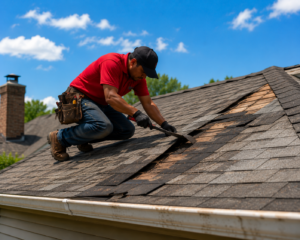
Asphalt shingles can perform well in humid coastal zones when installed with proper underlayment, ventilation, and flashing. Algae-resistant shingles may also help reduce dark streaks and surface staining.
Common failures include granule loss, curling, moss growth, and moisture retention on shaded slopes. These problems can shorten roof life if maintenance is delayed.
Metal Roofing and Condensation Control
Metal roofing can be durable in coastal humidity when the system includes proper coatings, insulation, underlayment, and ventilation. It sheds water well, but condensation control is critical.
A metal roof should also be inspected for scratches, exposed fasteners, and areas where condensation might collect. The roof may shed rain effectively but still need proper interior moisture control.
Flat Roofing Systems for Moisture Resistance
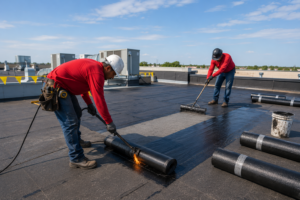
Flat roofing systems such as EPDM and TPO can offer strong moisture resistance for low-slope areas. EPDM is flexible and waterproof when properly installed. TPO can provide strong seams and reflective benefits.
The main concern with flat roofs is drainage. If water sits too long, even a good membrane can experience stress over time. Ponding water can also hold debris, algae, and residue that keep the surface damp.
Seam sealing, edge protection, and drainage maintenance are essential for flat roofs in humid coastal areas. Drains, scuppers, roof edges, and penetrations should be inspected regularly.
Flat roofs on multi-family, mixed-use, and commercial buildings in Far Rockaway need careful maintenance because larger roof surfaces often collect moisture in more places.
Why Proactive Far Rockaway Roof Maintenance Matters More Near the Coast
Proactive maintenance matters more near the coast because humidity works quietly. A roof may not show serious damage right away, but moisture may already be affecting algae growth, underlayment, insulation, or decking.
Far Rockaway roof maintenance should focus on prevention, not only repairs after leaks appear. Homeowners near the ocean need regular inspections that look for dampness, ventilation problems, stains, biological growth, drainage issues, and slow material aging.
Humidity-Focused Roof Inspections
Humidity-focused inspections should happen at least once or twice a year. Homes close to the shoreline, shaded by trees, or dealing with attic moisture may need more frequent checks.
A moisture inspection should review the roof surface, attic ventilation, flashing, gutters, underlayment condition, drainage areas, and signs of condensation. The goal is to find moisture before it becomes a leak.
Key inspection points include:
- Algae, moss, stains, and dark streaks on roof surfaces
- Damp attic insulation or musty attic odors
- Soft decking, lifted shingles, or weak roof seams
- Clogged gutters or drainage areas holding moisture
- Flashing gaps around vents, chimneys, and roof edges
Cleaning, Ventilation, and Moisture Control
Cleaning helps remove algae, moss, leaves, and residue that hold moisture against the roof. Safe cleaning methods protect shingles and roof membranes from unnecessary damage.
Ventilation improvements help the attic release warm, moist air. This reduces condensation and helps roofing materials dry more effectively. A roof that can dry properly will usually perform better in a humid coastal climate.
Moisture control also includes gutter cleaning, flashing repair, and checking roof penetrations. These small steps help prevent long-term damage and reduce the risk of hidden leaks.
Important maintenance steps include:
- Clean gutters and downspouts before heavy rain seasons
- Remove algae and moss with roof-safe cleaning methods
- Improve attic ventilation when moisture or odors appear
- Repair flashing gaps before water reaches the interior
- Check flat roof drains, seams, and edges after humid weather
Why Small Maintenance Steps Prevent Bigger Repairs
Small maintenance steps often prevent expensive roof repairs. A minor flashing gap can become an interior leak. A clogged gutter can keep roof edges wet. A shaded roof slope with moss can lose surface protection faster than expected.
Preventive maintenance is usually more affordable than repairing moisture damage after it spreads. Minor cleaning, inspection, and sealant repair can prevent larger structural work involving decking, insulation, ceilings, and interior finishes.
For property owners in Far Rockaway, maintenance also helps document roof condition over time. Inspection records can make it easier to understand whether damage came from moisture, age, storm impact, or lack of drainage.
The longer moisture problems are ignored, the more likely they are to affect hidden layers. That is why roof maintenance near the coast should be consistent, not occasional.
When Roof Maintenance Is Enough and When Replacement Is Necessary
Roof maintenance is often enough when humidity damage is limited, the roof is structurally sound, and the materials still have useful life. Cleaning, ventilation improvements, minor repairs, and drainage upgrades may extend roof performance.
Replacement becomes necessary when moisture has caused widespread shingle failure, soft decking, repeated leaks, saturated insulation, or severe underlayment decay. At that point, surface repairs may only hide the issue temporarily.
The decision depends on moisture exposure duration, roof age, and the condition of hidden layers. A roof that is only halfway through its expected life may still be repairable. A roof near the end of its lifespan with moisture damage may need replacement.
Before deciding, homeowners should get a professional assessment. The inspection should check the roof surface, attic, underlayment, decking, ventilation, gutters, flashing, and leak history.
When Maintenance Can Extend Roof Life
Maintenance can extend roof life when damage is still early. If algae growth is limited, shingles are still stable, flashing is mostly secure, and attic moisture is minor, the roof may respond well to cleaning and targeted repair.
This may include safe roof cleaning, gutter service, minor flashing correction, roof ventilation improvement, sealant replacement, and drainage cleanup. These steps can help the roof dry more effectively and reduce moisture stress.
The key is to act before moisture reaches the roof deck or insulation. Once deeper layers are affected, maintenance alone may not be enough.
When Replacement Becomes the Better Choice
Replacement becomes the better choice when the roof no longer responds to maintenance. If leaks return in different areas, shingles are curling across large sections, underlayment is failing, or decking is soft, the roof may need a more complete solution.
A roof near the ocean may also need replacement if moisture damage has shortened its useful life. The roof may not be extremely old, but constant humidity, shade, poor ventilation, and weak drainage can age it faster.
Common signs replacement may be needed include:
- Recurring leaks in different roof areas
- Soft or weakened decking under the roof surface
- Widespread shingle curling, staining, or granule loss
- Saturated insulation or persistent attic moisture
- Repairs that no longer last through seasonal weather
Timely action helps homeowners avoid interior damage and plan replacement before an emergency occurs. A planned roof replacement is usually less stressful than a sudden leak-related replacement after moisture damage spreads.
Why Professional Assessment Matters
A professional assessment matters because moisture damage is not always visible from outside the home. The roof surface may look acceptable while the attic, underlayment, or decking is already affected.
NYC Renovators Far Rockaway can review the roof system, ventilation, gutters, flashing, siding, masonry, and waterproofing details to understand how moisture is moving around the property. This helps determine whether the right solution is maintenance, repair, or replacement.
The inspection should also consider the building’s location. A shaded Bayswater home, a beach-facing Rockaway Beach property, and a mixed-use Far Rockaway building may all need different moisture-control strategies.
The best recommendation is based on the full condition of the roof, not only the age of the material. A roof with good structure may need maintenance, while a roof with hidden moisture damage may need deeper repair.
Conclusion: Extending Roof Lifespan in Far Rockaway’s Humid Coastal Climate
Coastal humidity silently reduces roof lifespan by keeping materials damp, encouraging algae and moss growth, weakening underlayment, damaging insulation, and contributing to hidden roof deck problems. In Far Rockaway, moisture exposure is not occasional. It is part of the local climate.
The best way to protect a roof is to use moisture-specific strategies. That means regular inspections, safe cleaning, proper ventilation, strong flashing, clear gutters, reliable drainage, and timely repairs. Homeowners should not wait for ceiling stains or active leaks before taking action.
For trusted local help, contact Royal Roofing & Siding Far Rockaway at 718-831-6489. Our team serves homeowners throughout Far Rockaway, Queens, NY, with roof inspections, moisture related repairs, and coastal maintenance solutions designed for oceanfront conditions.
FAQs About Coastal Humidity and Roof Lifespan in Far Rockaway
How does coastal humidity affect roof lifespan near the ocean?
Coastal humidity keeps roofing materials damp longer, which can lead to algae growth, weakened underlayment, soft decking, damp insulation, and shorter roof lifespan. Homes near the ocean often need more frequent inspections and moisture-focused maintenance.
Is humidity damage different from salt air roof damage?
Yes. Humidity mainly causes moisture retention, algae growth, condensation, and hidden dampness. Salt air often causes corrosion and surface breakdown. In coastal areas, both problems can happen together and speed up roof aging.
What roofing materials handle moisture best in coastal areas?
EPDM, TPO, properly ventilated asphalt shingles, and coated metal roofing can perform well in coastal moisture. The best option depends on roof slope, exposure, drainage, insulation, ventilation, and maintenance needs.
How often should roofs be inspected in humid coastal climates?
Roofs in humid coastal areas should usually be inspected once or twice a year and after major weather events. Homes with shade, algae growth, clogged gutters, or attic moisture may need more frequent checks.
Can humidity cause roof leaks without visible damage?
Yes. Humidity can create condensation, weaken underlayment, and trap moisture below the surface before visible damage appears. Leaks may show up later as stains, musty odors, damp insulation, or soft roof areas.
Does moisture damage roofing increase energy bills?
Yes. Damp insulation loses efficiency, making heating and cooling systems work harder. Poor attic ventilation and trapped roof moisture can also affect indoor comfort and energy performance.
How can homeowners reduce humidity-related roof problems?
Homeowners can reduce risk with regular inspections, safe roof cleaning, clear gutters, better attic ventilation, prompt flashing repairs, drainage maintenance, and moisture-resistant roofing materials suited for coastal conditions.