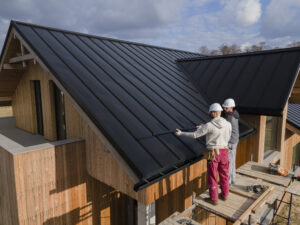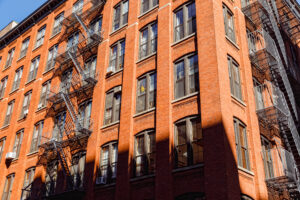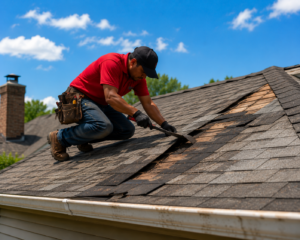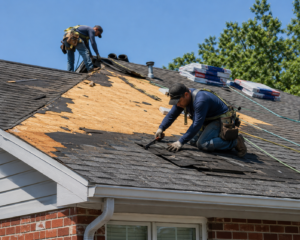

Storm preparation Brooklyn brownstones need should begin before heavy rain, strong wind, or coastal storm warnings arrive. Brooklyn brownstones and row houses are older, tightly built, and often designed with flat roofs, parapet walls, masonry facades, shared walls, and narrow drainage paths that can become vulnerable during severe weather.
Severe storm roof prep Brooklyn homeowners schedule early can help protect roof edges, gutters, flashing, membranes, masonry, ceilings, and interior finishes. A small weak point may not create problems during light rain, but it can become a serious leak when wind and heavy rainfall hit together.
Brooklyn homes need special attention because their exterior systems are connected. A clogged gutter can soak masonry. A loose flashing seam can send water under the roof edge. A cracked parapet cap can allow rain to enter behind brick and into interior spaces.
This guide focuses on pre-storm prevention, not post-storm repairs. It explains what to inspect, what to clean, what to secure, and when professional roofing support is needed before the next major storm.
Why Brooklyn Homes Face Higher Storm Risks
Severe storm roof prep Brooklyn homeowners need is different from basic seasonal maintenance. Brownstones, row houses, and flat roof homes often have older roof materials, layered repairs, limited access, and exterior details that require careful inspection before storm season.
A roof can look stable on a dry day and still fail under storm pressure. Heavy rain tests drainage. Wind tests roof edges. Flying debris tests membranes, shingles, vents, and gutters. If one part is weak, water can enter quickly.
Attached construction also makes Brooklyn homes unique. Party walls, shared rooflines, and close neighboring buildings can allow moisture to travel in unexpected ways. A leak may appear in one room even when the source is several feet away.
Aging Brownstone and Row House Construction
Many Brooklyn brownstones and row houses were built with historic masonry, older framing, parapet walls, and flat roof systems that have seen years of repairs. These homes can perform well, but age makes inspection more important.
Old mortar, cracked coping stones, worn roof coatings, brittle flashing, and past repair patches may not fail during everyday weather. During a severe storm, those weak spots can allow water into the building.
Older homes may also have multiple roofing layers or repairs from different contractors. If those repairs were not done properly, storm pressure can expose the problem.
Professional roof inspection helps identify weak rooflines, aged flashing, worn membranes, and older repair areas before the weather turns.
Flat Roof Design and Drainage Challenges
Flat roofs are common on Brooklyn row houses. They work well when properly installed and maintained, but they depend heavily on drainage. Water must move toward drains, scuppers, or gutters without standing near edges.
Ponding water is a major storm concern. When heavy rain collects on a flat roof, it adds weight and increases pressure on seams, flashing, and roof penetrations.
Homes with flat roofing need clean drains, secure edges, and strong membrane seams. If water sits near parapets or roof edges, the risk of leaks increases.
Proper slope and drainage are not optional. They are a major part of storm protection for Brooklyn flat roof homes.
Urban Density and Shared Structures
Brooklyn’s dense blocks create storm risks that detached homes do not always face. Attached rooflines, shared walls, nearby buildings, and narrow spaces can affect wind movement and water drainage.
One roof edge failure can affect multiple areas. Water may travel along party walls, behind masonry, or under roof layers before it appears indoors.
Urban density can also make emergency repairs harder. Tight access, limited staging space, and high demand after storms may delay urgent service.
Preparing early helps homeowners avoid needing emergency roof repair when many properties are already dealing with storm damage.
Understanding Storm Damage Risks for Brownstones and Row Houses
Row house storm damage often begins at roof edges, parapets, flashing, gutters, and masonry joints. These areas take the most pressure when wind and rain arrive together.
Storm damage does not always mean a tree has fallen or a roof has been torn open. In Brooklyn brownstones, damage may begin as a small flashing gap, clogged gutter, lifted membrane edge, or cracked coping stone.
The problem is that small exterior openings can send water into hidden spaces. By the time ceiling stains appear, moisture may already be behind walls, under roof layers, or inside masonry.
Wind Uplift and Roof Edge Failures
Wind uplift happens when strong gusts pull at roof edges, flashing, shingles, metal trim, or flat roof membranes. Roof perimeters are especially vulnerable because wind pressure is often strongest at the edges.
Parapet walls and flashing systems must stay secure. If flashing is loose or roof edge materials are weak, wind can open gaps that rain enters immediately.
Loose coping stones, unsecured rooftop materials, or old repair patches can also shift during storms. Once they move, water has a path inside.
Before storm season, roof edges should be checked carefully. Small repairs to flashing and perimeter details can prevent larger leak problems.
Heavy Rain, Internal Leaks, and Masonry Saturation
Heavy rain can expose weaknesses that normal rainfall does not. Wind driven rain may push water into cracks, open joints, old flashing seams, or spaces around roof penetrations.
Masonry saturation is also common during storms. Brick and mortar can absorb moisture when gutters overflow or when rain strikes the facade for hours.
Interior signs may appear as ceiling stains, damp upper walls, bubbling paint, or musty odors. These signs often mean water has already traveled through part of the building.
A storm preparation inspection should check both the roof and the masonry. Treating only one area can miss the real source.
Gutter Overflows and Downspout Blockages
Gutter overflow is one of the most common causes of storm related moisture damage. When gutters or downspouts are blocked, water spills over roof edges and onto brick walls.
Overflowing water can soak mortar joints, stain facades, damage roof edges, and increase basement moisture. During heavy storms, this can happen quickly.
Downspouts should also be checked. A gutter may look clean, but a blocked downspout can still force water to back up.
Professional gutters service should include cleaning, flushing, pitch checks, attachment checks, and confirmation that water moves away from the home.
Pre Storm Roof Inspection Checklist for Brooklyn Brownstones
Brownstone roof inspection before storm season should focus on the areas most likely to fail under wind and rain. A good inspection does not only look at the roof surface. It checks the entire roofline system.
Brooklyn brownstones often include flat roof membranes, parapets, vents, skylights, drains, scuppers, gutters, flashing, and previous repair areas. Each part should be reviewed before storm season.
| Inspection Area | What to Check | Why It Matters Before Storms |
| Roof surface | Cracks, punctures, worn coating, loose shingles | Small defects can become active leaks |
| Flat roof seams | Open seams, wrinkles, lifting, weak patches | Wind and rain can push water beneath the membrane |
| Parapet walls | Cracked mortar, loose coping, open joints | Water can enter from roofline masonry |
| Flashing | Rust, gaps, loose edges, failed sealant | Flashing failures are common storm leak sources |
| Drains and gutters | Debris, slow flow, sagging, blockages | Poor drainage causes ponding and overflow |
| Past repair areas | Old patches, stains, recurring leak spots | Previous weak points often fail again |
Checking Roof Membranes, Shingles, and Seams
Roof membranes should be checked for cracks, punctures, open seams, bubbles, loose edges, and worn areas. These defects can allow water to enter during a storm.
Homes with shingle roofing should be checked for missing shingles, lifted tabs, curling edges, granule loss, and exposed underlayment. Even small shingle defects can worsen under wind pressure.
Flat roof seams need close attention. If a seam has started to open, wind driven rain can push water beneath the membrane.
If multiple areas show wear, a contractor may recommend more than patching. The roof may need broader roof repair or replacement planning.
Inspecting Flashing, Parapets, and Penetrations
Flashing protects places where the roof meets walls, vents, skylights, chimneys, and parapets. These are common storm failure points.
Parapets should be checked for cracked mortar, loose coping stones, open joints, and signs of water entry. If water enters through the parapet, it can reach both the roof and the masonry wall.
Roof penetrations such as vents, pipes, hatches, and skylights should be sealed properly. Old sealant can crack, lift, or separate.
A storm preparation inspection should not skip these details. They often cause leaks even when the main roof surface looks stable.
Identifying Weak Spots Before Storm Season
Weak spots often include old patch areas, roof edges, skylights, drains, gutters, parapets, and places where different materials meet. These areas should be reviewed before severe weather.
Aging materials are more likely to fail during heavy rain and strong wind. Brittle membranes, old sealants, loose flashing, and weakened gutter sections should be repaired early.
Homeowners should also mention past leak locations to the contractor. A previous leak area can reveal a recurring weakness.
Professional service before storm season is usually less stressful than emergency work after water enters the home.
Flat Roof Storm Preparation for Brooklyn Homes
Flat roof storm preparation Brooklyn homes need should begin with drainage, membrane condition, and edge security. Flat roofs are common across brownstones and row houses, but they require consistent maintenance to handle heavy rainfall.
A flat roof does not shed water as quickly as a steep roof. If water collects near drains, parapets, or roof edges, leak risk increases.
Storm preparation should include the roof surface, seams, drains, scuppers, flashing, and perimeter details. These areas work together during severe weather.
Clearing Drains and Scuppers
Drains and scuppers should be cleared before severe weather. Leaves, twigs, roof granules, dirt, and urban debris can block drainage openings.
Ponding water can develop fast when drains are clogged. Standing water adds weight and increases pressure on roof seams and flashing.
Drainage is critical because storms can bring a large amount of rain in a short time. Water must leave the roof before it backs up near roof edges.
A clean roof surface and clear drainage path are simple but important storm preparation steps.
Evaluating EPDM and TPO Roof Conditions
EPDM and TPO roof systems can both perform well when installed and maintained correctly. Before storms, they should be checked for seam strength, membrane wear, punctures, and edge movement.
EPDM should be checked for loose seams, shrinkage, punctures, and surface deterioration. TPO should be checked for weld strength, flashing transitions, and membrane damage.
Storm resistance depends on the details. Even a good membrane can leak if the flashing or edge securement fails.
If the roof is older and repairs are becoming frequent, roof replacement may be safer than repeated temporary fixes.
Reinforcing Roof Edges and Flashing Systems
Roof edges and flashing systems are vulnerable during storms because wind pulls at exposed areas. Loose metal, lifted membrane edges, and weak flashing can create fast water entry points.
A professional should check perimeter securement, coping details, parapet flashing, and roof edge attachments. These details help the roof resist wind uplift.
Storm preparation may include resealing, fastening, patching, replacing damaged flashing, or securing loose edge materials.
Strong roof edges protect the rest of the system during high wind and heavy rain.
Gutter and Drainage Preparation Before Severe Storms
Severe storm roof prep Brooklyn homeowners plan should always include gutter and drainage work. Even a strong roof can suffer water damage when gutters overflow or downspouts fail.
Stormwater needs a clear path away from the roofline, facade, masonry, foundation, and basement. If water is blocked, it will move toward the easiest opening.
Gutter preparation is usually simple compared with the damage caused by overflow. It should happen before major storms, not after interior leaks appear.
Cleaning Gutters and Downspouts
Gutters and downspouts should be cleaned before storm season and after heavy debris buildup. Brooklyn homes can collect leaves, dust, roof granules, twigs, and urban debris quickly.
A blocked gutter may spill water directly onto brick walls, windows, parapets, or roof edges. During heavy rain, overflow can happen fast.
Downspouts should be flushed to confirm they are open. If water backs up, the blockage should be cleared before storms arrive.
Seasonal maintenance reduces the chance of water entering masonry or backing up near rooflines.
Securing Loose Gutter Sections
Loose gutter sections can shift during high winds. If they pull away from the roof edge, water may pour behind the gutter and into vulnerable areas.
Fasteners, brackets, seams, and joints should be checked. Sagging sections should be corrected before heavy rain adds more weight.
Wind displacement can damage fascia, roof edges, and neighboring surfaces. A gutter that moves during a storm may create more than a drainage issue.
Secure gutters help protect both the roof and masonry facade.
Redirecting Water Away from Foundations
Water should move away from the building after leaving the gutter system. If downspouts discharge too close to the foundation or stoop, moisture can collect near lower walls.
This can contribute to basement dampness, masonry staining, and long term mortar erosion. It can also worsen problems in older row houses with limited drainage space.
Downspout extensions, splash blocks, and proper drainage routing can help. The right solution depends on the property layout.
Water control at ground level is part of full storm preparation.
Interior and Structural Checks That Support Roof Storm Readiness
Row house storm damage may show warning signs inside before the roof fails completely. Interior checks help homeowners identify weak areas that need exterior inspection.
Attic moisture, ceiling stains, peeling paint, and musty odors may point to leaks near rooflines, vents, masonry, or flashing. These signs should be reviewed before storm season.
Structural movement can also matter. Cracks near upper walls, sagging ceiling areas, soft wood, or repeated dampness may show that moisture has been active for some time.
Homeowners should check upper floor ceilings, attic spaces, skylight areas, walls near chimneys, and rooms below flat roof sections. If stains appear after past storms, the exterior source should be repaired before the next storm arrives.
When Storm Preparation Is Not Enough
Storm preparation Brooklyn brownstones need can reduce risk, but it cannot make a failing roof new again. If the roof is too old, too damaged, or repeatedly leaking, preparation may not be enough.
Roof age matters. A roof with brittle shingles, worn membranes, soft decking, repeated patching, or failing flashing may need more than seasonal maintenance.
Storm intensity also matters. Strong wind and heavy rain can expose weaknesses that routine cleaning cannot fix. If the home has a long leak history, a professional should explain whether repair or replacement is the safer path.
Repeated leaks are a serious warning sign. If the same roofline, ceiling, or parapet area leaks after every storm, the building may need more extensive repairs or planned replacement.
In some cases, proactive replacement is more cost effective than paying for repeated emergency patches, interior repairs, and temporary leak control. For attached homes or mixed use properties, commercial roofing knowledge may also help when larger roof areas or shared systems are involved.
Conclusion: Protecting Brooklyn Brownstones and Row Houses Before the Next Storm
Storm preparation Brooklyn brownstones need to be handled before severe weather arrives. Brownstones, row houses, and flat roofs have unique risks because rooflines, parapets, gutters, masonry, and drainage systems are closely connected.
Preparing early can reduce emergency repair costs, interior water damage, roof edge failures, masonry saturation, and gutter overflow problems. A professional inspection can identify weak areas before wind and rain turn them into active leaks.
Preventive action is usually more affordable than post storm repairs. Instead of waiting for ceiling stains, soaked brick, or emergency calls, homeowners can protect the roof and exterior envelope in advance.
For trusted local support, contact Royal Roofing & Siding Brooklyn at 718-536-2667. Visit 2380 Ralph Ave, Brooklyn, NY 11234 for storm preparation inspections, flat roof service, gutter checks, and storm damage roof repair support.
FAQs: Storm Preparation for Brooklyn Brownstones and Flat Roofs
How early should I prepare my Brooklyn brownstone roof before storm season?
It is best to prepare your Brooklyn brownstone roof before heavy rain and storm season begins. Schedule inspections early enough to repair flashing, gutters, drains, roof edges, and parapet issues before severe weather arrives.
What are the most common storm-related roof issues in Brooklyn row houses?
Common storm issues include roofline leaks, clogged gutters, flashing failure, wind uplift, ponding water, loose parapet coping, and interior ceiling stains. Older row houses often develop leaks where flat roofs, masonry, and drainage systems meet.
How do flat roofs handle heavy rain during NYC storms?
Flat roofs handle heavy rain by directing water toward drains, scuppers, and gutters. If drainage is blocked or the roof has low spots, ponding water can develop and increase leak risk around seams, edges, and flashing.
Are EPDM and TPO roofs good options for storm resistance?
EPDM and TPO can both perform well when installed and maintained correctly. Storm resistance depends on strong seams, secure edges, proper flashing, drainage, and regular inspections. Damaged membranes should be repaired before severe weather.
How often should brownstone roofs be inspected before storms?
Brownstone roofs should usually be inspected at least once a year and before major storm seasons. Additional inspections are recommended after heavy winds, past leaks, roof repairs, gutter overflow, or visible damage near parapets and flashing.
Can gutter issues cause roof leaks during storms?
Yes, gutter issues can cause roof leaks during storms. Clogged or loose gutters can force water back toward roof edges, masonry, and parapet walls. Overflowing water can also soak brick and enter through weak exterior joints.
When should I consider emergency roof repair instead of preparation?
Emergency roof repair is needed when water is actively entering the home, roof materials are loose, flashing has failed, or storm damage creates immediate risk. Preparation is for prevention, while emergency repair controls active damage.