Manhattan roofing projects are rarely simple because the city is dense, vertical, crowded, and highly regulated. A skilled Roofing Contractor Manhattan NY must understand more than roofing materials. The contractor must also understand access, staging, safety, delivery timing, building coordination, and city logistics.
In many Manhattan projects, roof access is the biggest challenge. The roof may be in good enough condition to repair, but reaching it safely with workers, tools, materials, and equipment can require careful planning. This is where Roof Access Challenges Manhattan become a serious project factor.
Unlike suburban or outer borough roofing jobs, Manhattan projects often involve narrow streets, busy sidewalks, occupied buildings, limited storage, shared walls, rooftop hatches, elevators, cranes, hoists, sheds, and property manager approvals. This guide focuses on access planning and logistics, not basic roofing materials.
What Makes Manhattan Roofing Access So Complex
Manhattan roofing access is complex because buildings are close together, streets are crowded, and roof work must happen without creating unnecessary risk for residents, tenants, pedestrians, and neighboring properties. Even a small roof repair can become difficult if materials cannot be moved safely to the roof.
Roof Access Challenges Manhattan often begin before the roofing work starts. Contractors must identify how workers will reach the roof, where materials will be staged, how debris will be removed, and whether exterior access equipment is required.
A roofing project that ignores access planning can face delays, higher costs, safety concerns, and incomplete work. In Manhattan, logistics are part of the roofing system because a good installation depends on the ability to work safely and efficiently.
Dense High Rise and Mid Rise Building Clusters
Manhattan has many high rise and mid rise buildings packed close together. These buildings often have limited ground space around them, which makes equipment placement and material staging difficult.
Tight setbacks and shared property lines can limit exterior access. A contractor may not have room to place ladders, lifts, dumpsters, or staging equipment without planning.
Neighboring buildings can also affect access. Some projects may require coordination when roof edges, setbacks, courtyards, or shared walls limit movement around the building.
Narrow Streets and Congested Sidewalks
Many Manhattan streets are narrow and busy throughout the day. Trucks, delivery vehicles, pedestrians, buses, bikes, and nearby businesses can all affect roofing logistics.
Equipment staging may require careful timing. Materials cannot always be dropped off and stored like they might be on a suburban property.
Pedestrian safety is a major concern. Roofing work near sidewalks, entrances, storefronts, and occupied buildings must be planned so debris, tools, and materials do not create hazards.
Mixed Use Buildings and Occupied Properties
Many Manhattan buildings are mixed use, with retail or office space below and apartments above. Roofing work may affect residents, business tenants, building staff, and customers.
Noise, timing, elevator use, roof hatch access, and debris removal may need approval from management. Work may also need to be scheduled around tenant operations.
Occupied buildings require careful communication. A roofing plan should explain what will happen, when access is needed, and how disruption will be reduced.
The Logistics Behind Roofing Projects in Manhattan
The logistics behind Manhattan roofing projects can be as important as the repair or replacement itself. Materials must arrive at the right time, equipment must fit the site, workers must access the roof safely, and building operations must continue with minimal disruption.
Roofing Logistics NYC means planning every movement before work begins. A contractor must think through delivery routes, loading areas, roof entry points, debris paths, tenant access, service elevators, sidewalk protection, and possible city permit needs.
Manhattan roofing work becomes more expensive when logistics are ignored. A crew may lose hours waiting for deliveries, moving materials by hand, correcting access mistakes, or dealing with restrictions that should have been handled earlier.
Material Delivery and Staging Constraints
Many Manhattan buildings do not have open space for material storage. There may be no driveway, yard, loading zone, or secure area for roofing materials.
This creates a need for just in time delivery. Materials may need to arrive in smaller loads that match the daily work schedule.
If materials are delivered too early, they may block access or create storage problems. If they arrive late, the project may slow down and labor costs can rise.
Crane, Hoist, and Lift Planning
Some Manhattan roofing projects require cranes, hoists, lifts, or other equipment to move materials to the roof. This depends on building height, roof access, material weight, sidewalk conditions, and available staging space.
Crane or hoist planning must consider clearance, setup space, building height, street activity, pedestrian protection, and coordination with property management.
Not every project needs a crane, but every project should evaluate whether interior access is practical. If materials cannot fit through elevators, stairwells, or roof hatches, exterior lifting may be necessary.
Scheduling Around Traffic and City Regulations
Roofing work in Manhattan may need to be scheduled around traffic conditions, building rules, tenant schedules, and city requirements. Some activities may need special timing to reduce disruption.
DOT related permits may be needed when work affects streets, sidewalks, temporary pedestrian paths, equipment storage, or construction staging. The exact requirement depends on the work scope and site conditions.
Good scheduling reduces downtime. It also helps building owners avoid rushed decisions once materials, crews, and equipment are already on site.
Common Roof Access Methods Used on Manhattan Buildings
Manhattan roofing contractors use several access methods depending on the building type, height, roof layout, project scope, and surrounding conditions. The right method protects the building, workers, pedestrians, and roofing materials.
Manhattan Roof Replacement projects often need more access planning than basic repair jobs because replacement requires larger material movement, tear off debris removal, staging, and longer work periods.
Access should be selected before pricing is finalized. If a contractor underestimates how materials will reach the roof, the project can face delays, change orders, or unsafe shortcuts.
Interior Roof Access vs Exterior Access
Interior access may use stairwells, service elevators, roof hatches, or mechanical rooms. This can work for smaller repairs, inspections, and limited material movement.
However, stairwells and elevators have size and weight limitations. Some roofing rolls, insulation boards, tools, or debris loads may not fit through interior paths.
Roof hatches can also be restrictive. A hatch may be too small, poorly located, or difficult to use for repeated material movement.
Sidewalk Sheds, Scaffolding, and Temporary Platforms
Sidewalk sheds, scaffolding, and temporary platforms may be needed when exterior access, pedestrian protection, or facade adjacent work is involved. The exact need depends on safety conditions and project scope.
These systems must be planned with load, placement, permits, and building access in mind. They also affect sidewalks, entrances, storefront visibility, and pedestrian movement.
A contractor should explain why a shed, scaffold, or platform is needed before the project begins. This helps owners understand the cost and timeline impact.
Adjacent Building Coordination
Some Manhattan roofing projects may involve adjacent building coordination. This can happen when setbacks, party walls, rear yards, alleys, or roof levels create limited access.
Access agreements may be needed if workers or equipment must cross or use a neighboring property. These conversations should happen early.
Air rights, property lines, and setbacks can also affect how equipment is placed. Careful review prevents disputes and delays.
Why Standard Roofing Contractors Struggle in Manhattan
Standard roofing contractors often struggle in Manhattan because they underestimate the access side of the job. Roofing skill matters, but it is not enough when the building environment is tight, occupied, vertical, and highly coordinated.
A qualified Roofing Contractor Manhattan NY should inspect the roof and study how the work will actually happen. That includes crew movement, material delivery, debris removal, safety setup, tenant communication, and equipment needs.
A contractor who works mostly on lower buildings or suburban properties may assume that materials can be loaded easily, staged nearby, or moved through simple access points. In Manhattan, those assumptions can cause delays and extra costs.
Lack of Experience with NYC Building Access Rules
Access complexity is easy to misjudge. A contractor may quote the roof work but fail to account for sidewalk conditions, building entry restrictions, roof hatch size, elevator limits, or permit timing.
Permit delays can happen when access equipment or sidewalk use is considered too late. If the project requires additional approval, work may pause.
Experienced Manhattan roofing contractors plan access before the crew arrives. This makes the job safer and more predictable.
Improper Equipment Planning
Choosing the wrong lift, hoist, crane, or material movement plan can waste time and money. Equipment that works on one building may not work on another.
Improper planning can also affect labor efficiency. Workers may spend too much time carrying materials, moving debris, or waiting for access instead of completing the roof work.
Equipment planning should match the building height, roof layout, street conditions, material weight, and project duration.
Cost Overruns from Poor Access Coordination
Poor access coordination can lead to extended timelines and unexpected costs. A project may need extra labor, additional equipment, revised delivery schedules, or emergency changes.
Common access planning mistakes include:
- Failing to measure stairwells, elevators, roof hatches, and service paths
- Assuming materials can be stored on site without permission
- Not checking sidewalk, street, or loading restrictions early
- Ignoring tenant schedules, building rules, and management approvals
- Underestimating debris removal time and protection needs
These mistakes can turn a manageable roofing project into a stressful and expensive one.
Specialized Planning Required for Manhattan Roof Replacement Projects
Manhattan roof replacement projects require specialized planning because replacement involves more materials, more labor, more debris, more staging, and more time than simple repair. A contractor must plan access before work starts.
Manhattan Roof Replacement should begin with a site visit that studies the roof and the building access path. The goal is to understand how everything will move to and from the roof without creating safety or building operation problems.
This planning is especially important for co ops, condos, commercial buildings, mixed use properties, and occupied apartment buildings. These projects need communication as much as construction skill.
Pre Project Access Surveys
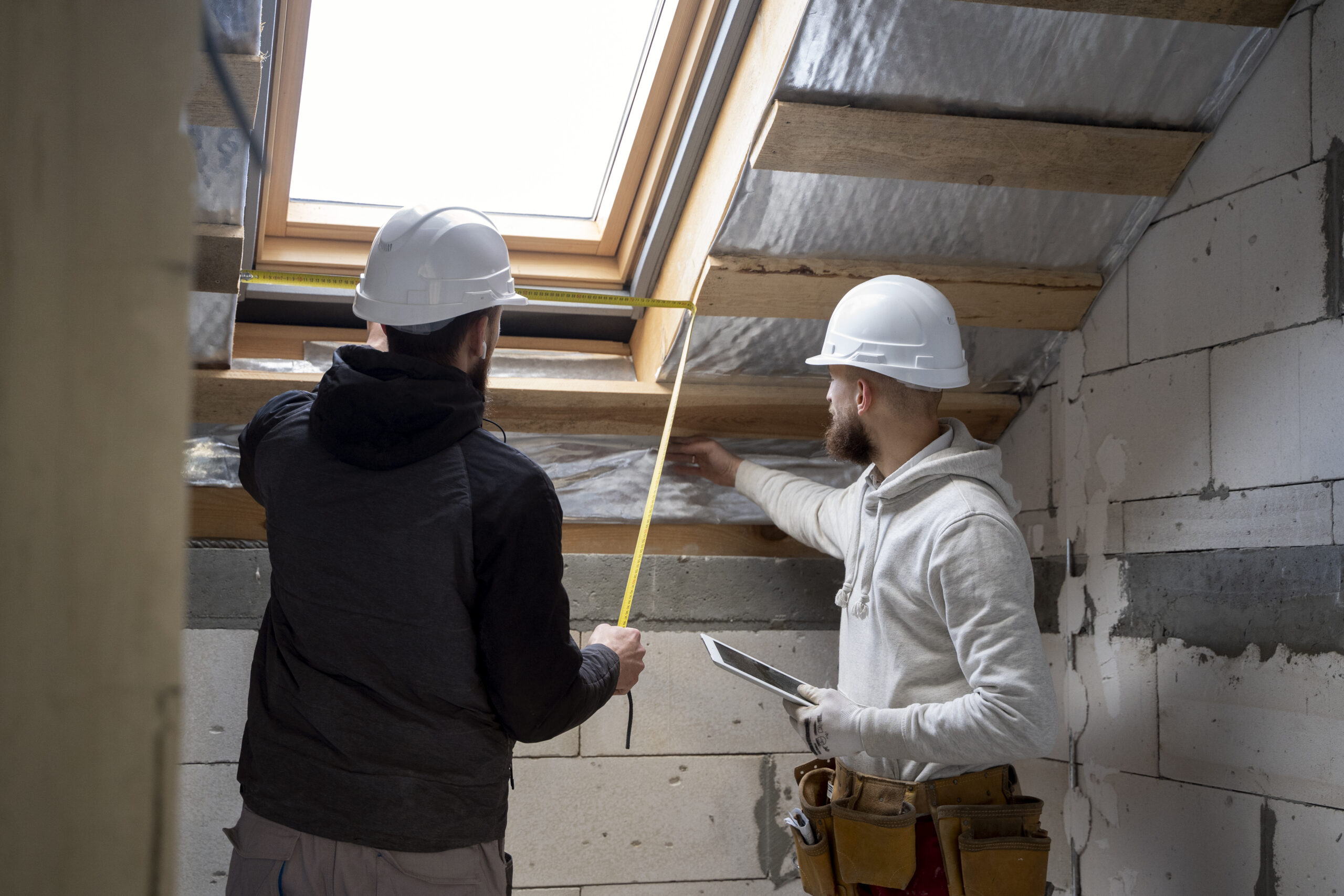
A pre project access survey identifies roof entry points, loading zones, staging areas, debris paths, and equipment needs. It also checks whether interior or exterior access is more practical.
An access survey should document:
- Roof hatch size, stairwell access, elevator availability, and service routes
- Material delivery points, temporary staging zones, and storage limits
- Debris removal paths and protection for interior or exterior spaces
- Sidewalk, street, storefront, and pedestrian safety conditions
- Areas where cranes, hoists, sheds, or scaffolding may be needed
This survey helps create a realistic schedule and budget before the project begins.
Coordination with Building Management and Boards
Building management and boards play a major role in Manhattan roofing projects. Co ops, condos, commercial properties, and mixed use buildings often require approvals before work begins.
Approval timelines may include board meetings, insurance review, resident notices, contractor paperwork, and building access rules.
A contractor should provide clear information for management. This includes schedule expectations, access needs, noise concerns, protection plans, and emergency contact details.
Safety Planning for Occupied Buildings
Occupied buildings require safety planning that protects residents, tenants, visitors, staff, and nearby pedestrians. Roofing work should not create unnecessary risk inside or outside the building.
Resident protection may include notices, temporary access limits, covered pathways, debris containment, elevator protection, and controlled work zones.
Debris and material containment is especially important. Even small roofing debris can become a safety concern when work happens above busy Manhattan sidewalks.
Commercial vs Residential Roof Access Challenges in Manhattan
Commercial and residential buildings both face access challenges, but the details are different. A commercial roof may have larger roof areas and more rooftop equipment, while a residential or mixed use building may have stricter resident coordination needs.
Roofing Logistics NYC should be adjusted to the building type. A one size plan does not work well in Manhattan because every property has different access, schedule, and safety concerns.
The contractor should understand whether the building is office, retail, apartment, condo, co op, mixed use, hotel, or institutional. That use affects how the roof project should be planned.
Commercial Buildings
Commercial buildings often have larger rooftops, HVAC units, exhaust systems, antennas, mechanical rooms, and service access needs. These conditions can make movement across the roof more complicated.
Work may need to be scheduled around tenant hours, deliveries, business operations, and building engineering staff.
Commercial projects may also require coordination with multiple vendors if rooftop equipment must be protected, moved, or accessed during roofing work.
Residential and Mixed Use Buildings
Residential and mixed use buildings often have limited access points. Stairwells, elevators, roof hatches, and common areas may be shared with residents.
Strict resident schedules can affect when crews enter, where materials move, and how noise is managed. Building notices are often needed before disruptive work begins.
Mixed use buildings add another layer because storefronts, restaurants, offices, or service businesses may operate below residential units.
When Poor Access Planning Leads to Roofing Failures
Poor access planning can lead to roofing failures because crews may be rushed, materials may be mishandled, and critical details may be skipped. Access problems do not only slow a project. They can affect the quality of the finished roof.
Roof Access Challenges Manhattan can cause rushed installations when crews lose time moving materials, waiting for equipment, or working around building restrictions. When the schedule becomes pressured, flashing, sealing, drainage, and cleanup may suffer.
Incomplete flashing and sealing are common risks when access is tight around parapets, bulkheads, roof edges, setbacks, and rooftop equipment. If workers cannot reach details properly, the roof may leak later.
Post installation leaks can also happen when debris removal damages the new roof, when materials are dragged across membranes, or when equipment staging compresses insulation.
The best solution is access first planning. Before the first material is delivered, the contractor should know how the roof will be reached, how the work will be protected, and how the project will be completed safely.
Conclusion: Why Manhattan Roofing Projects Demand Access First Planning
Access planning is as important as roofing skill in Manhattan. A roof repair or replacement can only succeed when crews, materials, equipment, and debris can move safely through a dense building environment.
Manhattan’s density creates risks that generic contractors may overlook. Narrow streets, busy sidewalks, limited staging space, occupied buildings, tight roof hatches, and city access requirements can all affect the project.
Choosing an experienced Roofing Contractor Manhattan NY helps prevent delays, unsafe shortcuts, poor coordination, and costly mistakes. The right contractor plans the roof and the access path together.
For trusted support, contact Royal Roofing & Siding NYC at 212-457-1331 or visit us at 605 W 42nd St PH1A, New York, NY 10036. Our team helps Manhattan building owners, property managers, co op boards, condo boards, and commercial property teams plan roofing projects with safe access, smart logistics, and reliable execution.
FAQs: Manhattan Roofing Access & Logistics
Why is roof access harder in Manhattan than other NYC boroughs?
Roof access is harder in Manhattan because buildings are taller, streets are narrower, sidewalks are busier, and staging space is limited. Many projects also involve occupied buildings, shared property lines, tight roof hatches, and more complex safety planning.
Do Manhattan roofing projects require special permits for access?
Some Manhattan roofing projects may require permits when work affects sidewalks, streets, sheds, scaffolding, cranes, hoists, or temporary pedestrian paths. Requirements depend on project scope, building conditions, and access method, so they should be reviewed before work begins.
How are roofing materials delivered to Manhattan rooftops?
Materials may be delivered through service elevators, stairwells, roof hatches, cranes, hoists, or lifts depending on building height and access. Many Manhattan projects require just in time deliveries because on site storage is limited.
Can roof replacement be done without cranes in Manhattan?
Yes, some roof replacements can be completed without cranes if materials fit through interior access routes or smaller lifting methods are practical. Taller buildings, heavy materials, limited hatches, or tight access may require crane or hoist planning.
How does poor access planning increase roofing costs?
Poor access planning increases costs by delaying crews, slowing deliveries, requiring last minute equipment changes, extending timelines, and creating safety or compliance problems. It can also lead to rushed work that causes future leaks or repairs.
What should building owners ask a roofing contractor about access?
Owners should ask how materials will reach the roof, where debris will go, whether permits may be needed, how pedestrians and tenants will be protected, and how the contractor will handle staging, scheduling, and building coordination.
How early should access planning start before a Manhattan roof replacement?
Access planning should start before pricing and scheduling are finalized. Early planning allows the contractor to inspect roof entry points, staging areas, delivery limits, equipment needs, management approvals, and possible permit requirements.