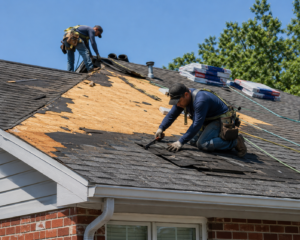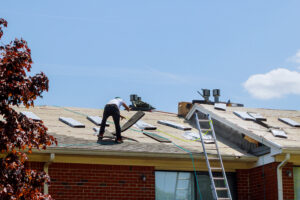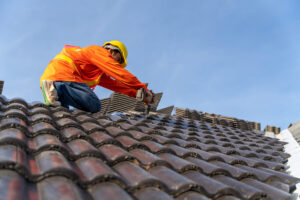
Manhattan townhouses and historic row homes are some of the city’s most distinctive residential properties. From brownstone blocks to attached masonry homes and early twentieth-century row houses, these buildings need roofing work that respects age, structure, access, and neighborhood character. That is why Townhouse Roofing Manhattan requires more planning than a standard residential roof job.
A roof replacement on a Manhattan townhouse is not the same as replacing a roof on a detached suburban home. Many properties share party walls, sit in tight streetscapes, have older roof decks, and may be located in historic districts. These conditions can affect materials, drainage, staging, permits, and project timelines.
Roof Replacement Manhattan projects for historic and attached residential roofs should be approached carefully. This guide focuses on roof replacement planning for townhouses and historic row homes, not modern suburban homes with open access, simple slopes, and fewer compliance concerns.
What Makes Manhattan Townhouse & Row Home Roofs Unique
Manhattan townhouse and row home roofs are unique because they are part of dense, attached building rows. The roof does not exist in isolation. It connects to neighboring structures, shared walls, parapets, chimneys, rear extensions, skylights, drains, and historic exterior details.
Residential roofing in Manhattan must account for building age and urban limitations. Many townhouses were built before modern roofing systems, modern insulation standards, and current access expectations. Over time, roofs may have been repaired in layers, patched around old penetrations, or altered without a full replacement plan.
A good roof replacement plan starts with understanding the building itself. The contractor should inspect the roof surface, drainage layout, roof deck, interior leak history, access path, neighboring conditions, and any historic status before recommending materials.
Attached Structures and Shared Party Walls
Attached townhouses create roofing challenges because one building’s roof work can affect the property next door. Party walls, parapets, flashing transitions, and shared drainage edges must be handled carefully.
If flashing is installed poorly along a shared wall, water may move into the neighboring property or back into the original home. This can create disputes, liability concerns, and repeat leaks.
A replacement plan should include careful protection of adjoining walls and roof edges. Contractors should also avoid damaging neighboring masonry, coping, gutters, or shared drainage paths.
Age of Buildings and Original Roof Design
Many Manhattan townhouses and row homes were built before modern flat roofing methods became common. Their original roof designs may include older wood decking, historic masonry, old skylight openings, built-up roofing layers, slate, tile, metal details, or low-slope assemblies.
Some materials used in older homes are no longer common or may require special handling. Other details may need to be preserved for appearance or compliance reasons.
The age of the building should guide the replacement strategy. A modern roof system can work well, but only when it respects the structure beneath it.
Limited Access and Tight Urban Workspaces
Manhattan townhouse roof replacement often faces limited access. Narrow sidewalks, occupied homes, tight rear yards, small roof hatches, and limited staging space can all affect the project.
Scaffolding, sidewalk protection, street access, and material delivery may influence timelines and costs. Even a smaller townhouse roof can become complex if materials cannot reach the work area easily.
Planning access early helps prevent delays. The contractor should understand how materials will be delivered, where debris will go, and how the home and neighbors will be protected.
Historic Building Roofing Rules and Regulations in NYC
Historic building roofing in NYC requires extra attention because some Manhattan townhouses are individual landmarks or located within historic districts. In those cases, exterior work may need review before construction begins.
Historic Building Roofing NYC is not only about choosing an attractive roof. It is about protecting architectural character while making sure the building stays watertight, safe, and functional. Visible roof areas, parapets, cornices, skylights, bulkheads, railings, and rear additions may all affect approval needs.
Building owners should never assume that a roof replacement is automatically simple because the roof is above street level. Some roof areas may be visible from public streets, neighboring vantage points, or rear exposures. Requirements depend on the property and scope of work.
Landmark Preservation Commission LPC Requirements
The NYC Landmarks Preservation Commission reviews work on landmark properties and properties inside historic districts. If the townhouse is landmarked or in a historic district, the owner may need LPC approval before certain roof replacement work begins.
Visibility matters. A non-visible roof membrane replacement may be treated differently from work that changes a visible roofline, material, parapet, skylight, railing, bulkhead, or cornice detail.
A contractor experienced with historic buildings can help owners understand what questions to ask before work starts. The safest step is to confirm landmark status early in the planning process.
Material Restrictions for Historic Row Homes
Historic row homes may require roofing materials that match or respect the original appearance, especially where the roof or roof edge is visible. Slate, tile, metal, architectural shingles, or specific flat roof finishes may need review depending on the building.
Some modern materials may not be appropriate if they change the visible character of the property. Other materials may be acceptable on rear or nonvisible sections if they do not affect historic features.
Material selection should balance appearance, weight, performance, and compliance. A roof that looks right but overloads the structure is not a good solution.
Permits, Inspections, and Compliance Risks
Roof replacement work in NYC may involve Department of Buildings requirements depending on the project scope. Larger replacements, structural deck work, major alterations, or work connected to landmark approval should be reviewed before construction begins.
Noncompliant roof replacement can lead to delays, fines, stop-work concerns, and forced corrections. It can also create problems when selling, refinancing, or insuring the property.
Planning ahead helps avoid these risks. Owners should confirm whether DOB permits, LPC approvals, engineer review, or special inspections are needed before signing a final roofing contract.
Early Signs That a Manhattan Townhouse Roof Needs Replacement
A Manhattan townhouse roof may need replacement when leaks become chronic, repairs stop lasting, structural warning signs appear, or the roof system is near the end of its usable life. Small issues can often be repaired, but repeated problems may point to deeper failure.
Townhouse roofing in Manhattan requires careful evaluation because older homes can hide roof damage behind plaster, masonry, ceilings, attic spaces, and interior walls. A leak may appear small while the roof deck or insulation has already been affected.
Homeowners should pay attention to patterns. If water stains return after every storm, if multiple roof areas are patched, or if repairs no longer hold, replacement may be the more responsible long-term choice.
Chronic Leaks and Interior Water Damage
Chronic leaks are one of the clearest signs that a roof may need replacement. Water stains, peeling paint, wall bubbling, damp plaster, mold odor, and ceiling discoloration can all point to a failing roof system.
In historic row homes, water may travel through old framing, masonry pockets, and wall cavities before showing inside. This can make the source difficult to locate.
If leaks keep returning after repair, the issue may not be one isolated opening. The membrane, flashing, drainage, or roof deck may be failing more broadly.
Sagging Rooflines and Structural Warning Signs
A sagging roofline is a serious warning sign. It may indicate deck deterioration, long-term moisture damage, framing weakness, or load-related stress.
Older buildings may have been repaired many times without correcting the underlying structure. Added layers, trapped moisture, and poor drainage can increase roof weight over time.
Structural warning signs should be inspected before a roof replacement begins. Covering a weak deck with a new roof system can create future problems.
Repeated Repairs with Diminishing Results
Repairs become less cost effective when they stop lasting. A roof that needs patching every season may be telling the owner that the system has reached its limit.
Repeated repairs can also hide the true condition of the roof. Layers of patches, coatings, and sealants may make inspection harder.
When repair costs keep rising, a full replaceNonvisiblean offer better protection, better drainage, and a clearer maintenance future.
Why Standard Roof Replacement Approaches Fail on Historic Homes
Standard roof replacement approaches often fail on historic homes because they do not consider building age, material compatibility, moisture movement, drainage limits, shared walls, and landmark concerns. A method that works on a modern detached home may cause problems on a Manhattan townhouse.
Roof Replacement Manhattan projects need a building specific approach. The contractor must understand how the existing roof was built, how water currently drains, where the structure is vulnerable, and whether any historic details must be preserved.
Historic Building Roofing NYC also requires respect for appearance and compliance. Replacing materials without considering visibility or landmark rules can create problems even if the roof is technically watertight.
Incompatible Modern Materials
Modern roofing materials can perform well, but they must be compatible with the building. Weight, flexibility, breathability, and attachment methods matter.
A heavy material may not be safe for an older deck without reinforcement. A rigid system may not move well with an older structure. A poorly selected material may trap moisture where the building needs to dry.
Material choice should be based on inspection, not assumptions. The best roof is the one that works with the home’s structure and compliance needs.
Improper Drainage and Slope Adjustments
Drainage is one of the most important parts of townhouse roof replacement. Many Manhattan row homes have low-slope roofs, scuppers, internal drains, gutters, rear drainage paths, or parapet conditions that require careful planning.
Improper slope adjustments can move water toward the wrong wall, neighboring property, or low roof area. This can create new leaks after replacement.
Drainage should be reviewed before materials are installed. The replacement should improve water movement, not simply cover the old roof.
Lack of Experience with Historic Structures
Contractor experience matters on historic townhouses. Mistakes can lead to leaks, damaged masonry, noncompliant material choices, cracked plaster, disturbed flashing, or violations.
Important historic roof-planning steps include the following:
- Confirm whether the property is landmarked or located in a historic district
- Identify visible roof areas, parapets, skylights, bulkheads, and decorative details
- Review roof-deck condition before selecting materials
- Protect shared party walls and neighboring roof edges
- Plan drainage so water does not move into walls or adjoining properties
A contractor who understands historic structures can help avoid expensive corrections.
Best Roofing Materials for Manhattan Townhouses and Row Homes
The best roofing materials for Manhattan townhouses and row homes depend on roof slope, historic status, structural capacity, visibility, drainage, and budget. A material should never be chosen by appearance or price alone.
Residential roofing in Manhattan requires balance. The roof must protect the home, respect the building’s character, handle NYC weather, and work within urban access limits. Some homes need traditional-looking materials, while others may use modern flat roof systems on nonvisible sections.
A full roof inspection should come before material selection. The contractor should check decking, drainage, existing layers, parapets, chimneys, skylights, and any roof areas visible from public view.
Modified Bitumen and Flat Roofing Systems
Modified bitumen is often used on low-slope, near-flat townhouse roofs because it provides layered protection and repair flexibility. It can be a practical choice for older homes with flat or near-flat roof areas.
This system may work well where durability and waterproofing are priorities. It can also be suitable for roofs that need stronger surface protection.
However, modified bitumen still depends on proper drainage, flashing, and installation. It should not be used to hide deck damage or ongoing water problems.
Slate, Tile, and Architectural Shingles
Slate, tile, and architectural shingles may be considered when appearance matters, especially for visible roof slopes or historic homes. These materials can help maintain the character of the property.
Weight is a major consideration. Slate and tile can be heavy, and older structures may need evaluation before these materials are installed.
Architectural shingles may be an option on suitable sloped sections, but they must be chosen carefully for appearance, wind performance, and compatibility with the building.
EPDM and TPO for Rear and Non Visible Roof Sections
EPDM and TPO may be useful for rear or non visible roof sections where performance, energy efficiency, and waterproofing matter more than historic appearance.
EPDM offers flexibility, while TPO provides reflective benefits and heat welded seams when installed correctly. These systems can work well on low slope roof areas.
Compliance should still be reviewed for landmarked properties. Even non visible work may require confirmation depending on the property and scope.
Planning a Roof Replacement Project in Manhattan
Planning a roof replacement project in Manhattan requires more than choosing materials and scheduling a crew. Owners must consider access, approvals, neighboring properties, weather, protection, debris removal, and project documentation.
Roof replacement in Manhattan is easier when the process begins with a clear assessment. The contractor should explain roof condition, likely scope, access method, drainage concerns, material options, and timeline expectations.
Historic townhouses may also require additional planning for LPC review, DOB requirements, engineering concerns, or board approvals if the property is part of an association or shared structure.
Timeline Expectations for Townhouse Roof Projects
The timeline for a townhouse roof replacement depends on approvals, access, material availability, weather, and repair scope. Construction may be quick once work begins, but planning can take longer.
Approvals may take additional time if the home is landmarked or if permits are needed. Structural concerns can also extend the planning phase.
Homeowners should avoid waiting until leaks become severe. Starting early gives more time for proper review and scheduling.
Coordinating with Neighbors and Property Managers
Because townhouses are often attached, neighbor coordination may be necessary. Shared walls, scaffolding, roof edges, gutters, and access paths can affect adjoining properties.
Property managers may also be involved if the townhouse is part of a larger association, rental portfolio, or managed building group.
Clear communication helps reduce disputes. Owners should document work scope, access needs, protection methods, and expected timelines before construction begins.
Budgeting for Historic Roof Replacements
Historic roof replacement costs can vary widely in Manhattan. Costs depend on roof size, material, access, permits, structural condition, drainage work, and whether historic details must be preserved.
Budget planning should include:
- Roof inspection and moisture assessment before replacement
- Possible LPC, DOB, engineering, or architectural review
- Access planning, scaffolding, sidewalk protection, or staging needs
- Drainage corrections, flashing upgrades, and structural deck repairs
- Long-term maintenance planning after the new roof is installed
A realistic budget helps homeowners avoid surprises once work begins.
Repair vs Full Roof Replacement for Historic Townhouses
Townhouse roofing Manhattan decisions should be based on roof age, structure, leakage history, compliance needs, and long-term maintenance outlook. A repair may be enough when the problem is isolated, but replacement may be smarter when failures are widespread.
| Decision Factor | Repair May Be Enough | Full Replacement May Be Needed |
| Roof Age | The roof still has useful service life | The roof is near or past expected lifespan |
| Leak Pattern | One isolated leak source is found | Multiple leaks return in different areas |
| Structural Condition | Decking is dry and stable | Decking is sagging, soft, or water-damaged |
| Drainage | Minor drainage adjustment is possible | Slope, scuppers, or drains need major correction |
| Historic Compliance | Small work does not affect visible features | Larger work needs material and approval planning |
| Long-Term Cost | The repair will likely last | Repeated repairs are becoming expensive |
A townhouse roof should not be replaced too early, but it should also not be patched past the point of reliability. Repeated leaks can damage interiors, framing, masonry, and neighboring property.
Code compliance also matters. If the roof work involves deck replacement, structural changes, or visible historic elements, the project may need more planning than a basic repair.
A professional evaluation helps homeowners compare short-term repair costs with long-term replacement value. The right decision protects the building and avoids repeat disruption.
Conclusion: Protecting Manhattan’s Historic Townhouses with Proper Roof Planning
Historic Manhattan townhouse roofs require specialized planning because they are attached, older, have limited access, and are sometimes subject to landmark or historic district requirements. Standard residential roofing methods do not always fit these buildings.
Shortcuts in Manhattan roof replacement can create serious problems. Poor drainage, incompatible materials, weak flashing, damaged party walls, and missed compliance steps can lead to leaks, violations, neighbor disputes, and higher future costs.
Working with experienced residential roofing professionals helps homeowners make better decisions. The right contractor understands roof structure, material selection, urban access, historic details, drainage, and long-term protection.
For trusted support, contact Royal Roofing & Siding NYC at 212-457-1331 or visit us at 605 W 42nd St PH1A, New York, NY 10036. Our team helps Manhattan townhouse owners, row home owners, property managers, and residential building owners plan roof replacement projects with care, compliance awareness, and strong workmanship.
FAQs: Roof Replacement for Manhattan Townhouses & Row Homes
Do historic Manhattan townhouses need special approval for roof replacement?
Some historic Manhattan townhouses may need approval if they are individual landmarks or located in historic districts. Requirements depend on visibility, materials, and project scope. Owners should confirm LPC and DOB requirements before starting roof replacement work.
What roofing materials are allowed on landmarked buildings?
Allowed materials depend on the building, roof visibility, historic character, and proposed work. Visible roof areas may need materials that match or respect the original appearance, while non visible areas may allow more flexible modern roofing systems.
How long does a townhouse roof replacement take in Manhattan?
The construction phase may take several days to a few weeks depending on roof size, access, weather, and scope. Planning may take longer if permits, landmark approvals, scaffolding, structural repairs, or special materials are involved.
Is flat roofing common on Manhattan row homes?
Yes, flat and low slope roofing is common on many Manhattan row homes and townhouses. These roofs often need careful drainage planning, strong flashing, and regular inspections because water does not shed as quickly as it does on steep roofs.
Can I replace only part of a shared townhouse roof?
Partial replacement may be possible when damage is limited, but attached structures require careful review. Party walls, shared flashing, drainage paths, and neighboring roof edges must be protected so the repair does not create leaks or disputes.
Why is roof replacement more expensive for historic homes?
Historic roof replacement can cost more because of access challenges, material requirements, structural age, permit review, preservation concerns, and careful protection of existing details. Older buildings may also need deck repair, drainage correction, or custom flashing work.
How often should townhouse roofs be inspected in NYC?
Townhouse roofs in NYC should usually be inspected at least once or twice a year and after major storms. Older homes, flat roofs, landmarked properties, and buildings with recurring leaks may need more frequent professional inspections.