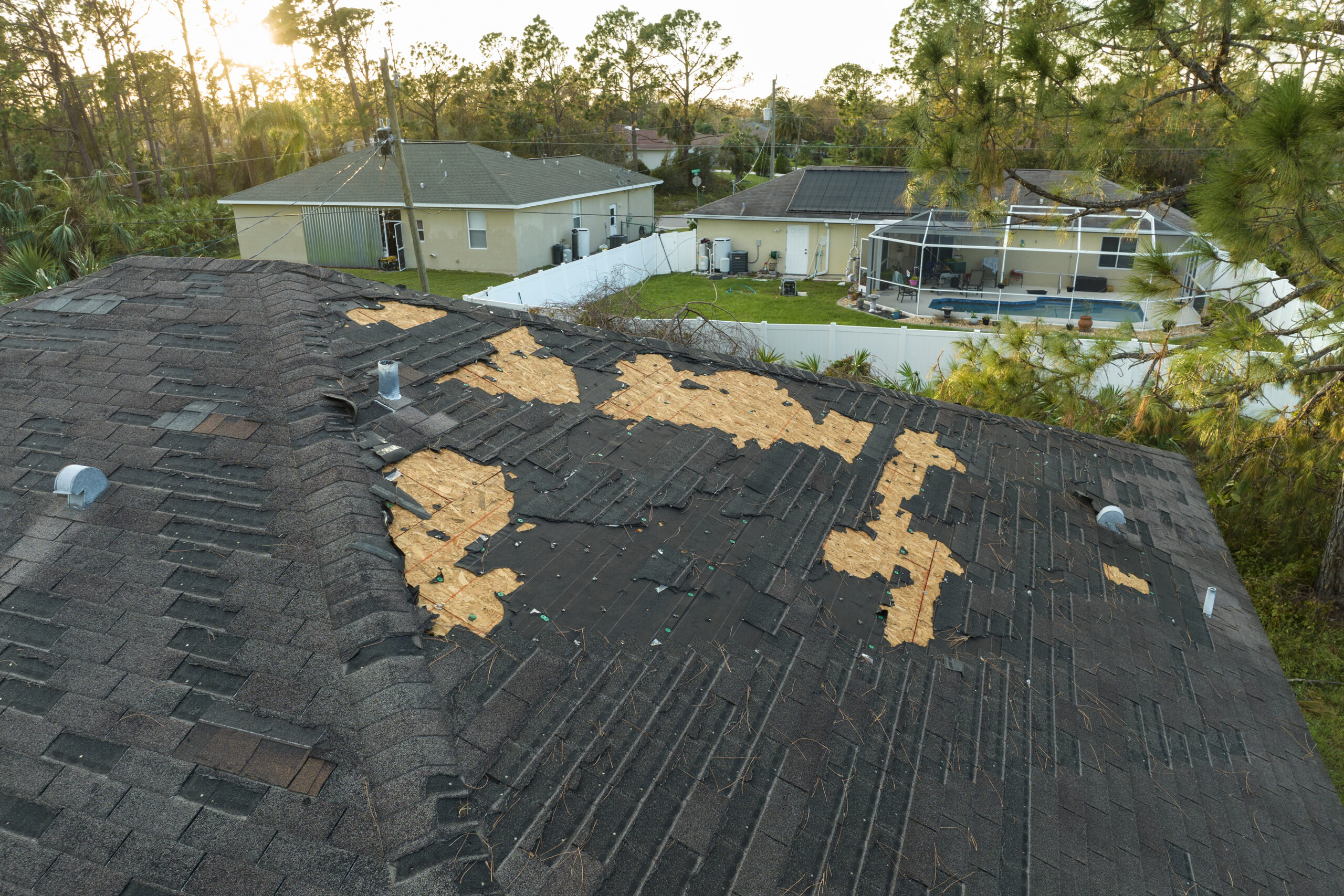
EPDM roofing benefits Long Island homeowners because many local properties have low slope roof sections that need stronger waterproofing than standard steep slope materials can provide. Ranch homes, additions, porches, garages, dormers, and rear extensions often include roof areas where water drains more slowly.
Rubber roofing Long Island homes use can help solve this problem when the roof design calls for a flexible membrane instead of shingles. Traditional materials may struggle on low slope surfaces because water can linger, move under edges, or stress seams during storms.
Long Island weather also adds pressure. Coastal humidity, heavy rain, winter snow, freeze thaw cycles, and wind exposure can test roof materials throughout the year. A roofing system must handle moisture without cracking, shrinking, or wearing out too quickly.
This guide focuses on benefits, performance, and suitability. It explains when EPDM makes sense, how it compares with other flat roofing systems, and why proper installation matters for long term protection.
Why Low-Slope Roofs Are Common in Long Island Homes
Low slope roof Long Island homes often include additions, garages, porch roofs, dormers, and rear extensions. These areas are practical for home layouts, but they require materials that can manage slower drainage.
Many homeowners do not realize that a low slope roof performs differently from a steep shingle roof. Water does not run off as quickly, so waterproofing becomes more important than appearance alone.
Because Long Island homes vary widely in age and design, the right roofing system depends on slope, drainage, exposure, and how the roof section connects to the rest of the home.
Architectural Trends in Long Island Residential Construction
Long Island has many ranch style homes, split level properties, Cape style homes, expanded colonials, and remodeled houses with additions. These designs often include low slope areas over garages, sunrooms, extensions, and covered entries.
Flat and low slope designs help maximize interior space. They can make additions more practical while keeping the home’s roofline functional.
However, those sections need materials built for slower water movement. Standard shingle roofing may not always be suitable when the roof pitch is too low.
A professional roofing evaluation helps determine whether a low slope section needs EPDM, TPO, modified bitumen, or another flat roof system.
Drainage Challenges Unique to Low-Slope Roof Sections
Low slope roofs need careful drainage. Even when a roof is not completely flat, water can move slowly enough to create standing moisture after rain.
Standing water increases leak risk. It can stress seams, weaken older materials, and expose small installation defects.
Seamless waterproofing is especially important where the low slope area meets walls, upper roofs, gutters, skylights, or siding. These transition points often become leak sources.
Proper material selection matters because low slope roofs need stronger water resistance than roofs that shed rain quickly.
Climate Factors That Impact Low-Slope Roof Performance
Long Island weather includes seasonal rain, snow, humidity, strong winds, and freeze thaw cycles. These conditions affect low slope roof sections more because moisture can stay on the surface longer.
Coastal humidity can slow drying, especially in shaded areas or neighborhoods closer to bays and shorelines. Winter weather adds more stress when water freezes near seams or roof edges.
Heavy rain also tests drainage. If gutters are clogged or roof slope is poor, water may back up near vulnerable areas.
A material like EPDM can help because it stays flexible and provides strong membrane coverage when installed correctly.
What Is EPDM Roofing and How Does It Work?
EPDM flat roofing Long Island homes use is a rubber membrane system made for low slope and flat roof areas. EPDM stands for ethylene propylene diene monomer, a synthetic rubber material known for flexibility and weather resistance.
Rubber roofing Long Island homeowners choose is often used on garages, additions, dormers, porch roofs, and other sections where shingles are not the best fit. It creates a continuous waterproof layer over the roof surface.
The system works best when the roof deck is sound, drainage is planned well, and seams, edges, and flashing are detailed carefully.
Understanding EPDM Rubber Roofing Membranes
EPDM is a flexible rubber membrane that can expand and contract with temperature changes. This flexibility helps it handle Long Island’s hot summers and cold winters.
The membrane comes in different thicknesses, including common options such as 45 mil, 60 mil, and 90 mil. Thicker membranes may offer better puncture resistance and durability.
Homeowners should not choose thickness by price alone. Foot traffic, roof size, exposure, and long term plans should all guide the choice.
A properly selected EPDM membrane can provide dependable protection for many low slope residential roof sections.
Fully Adhered vs Mechanically Attached EPDM Systems
EPDM can be installed in different ways. A fully adhered system bonds the membrane to the roof surface with adhesive. This method can provide a smooth, secure finish for many residential low slope roofs.
Mechanically attached systems use fasteners and plates to secure the membrane. They may work in certain situations, depending on roof design and exposure.
The installation method affects long term performance. Poor attachment can lead to wrinkles, edge movement, or seam stress over time.
A contractor should choose the method based on roof size, slope, deck condition, wind exposure, and drainage needs.
Why EPDM Is Ideal for Flat and Low-Slope Roofs
EPDM works well on flat and low slope roofs because it provides broad waterproof coverage. Large sheets can reduce the number of seams, which helps limit potential leak points.
The material also performs well when water drains more slowly than it would on a steep roof. That makes it useful for additions, garages, and roof sections with limited pitch.
Proven waterproofing performance is one of EPDM’s biggest advantages. When seams and flashing are installed properly, the system can protect vulnerable low slope areas for years.
For many Long Island homes, EPDM offers a practical balance of durability, cost, and repairability.
EPDM Roofing Benefits for Long Island Homes
EPDM roofing benefits Long Island homeowners by improving waterproofing, durability, and long term value on roof sections where traditional roofing may not perform well. It is especially useful when the roof has a low pitch, limited drainage speed, or frequent exposure to moisture.
A low slope roof needs more than basic coverage. It needs a membrane that can resist water, movement, weather stress, and seasonal temperature changes.
EPDM is not chosen for decorative style. It is chosen because it can protect difficult roof areas with practical, long lasting performance.
Exceptional Waterproofing for Low-Slope Roof Sections
Waterproofing is the main reason homeowners choose EPDM. Low slope roofs allow water to remain on the surface longer, so the material must resist leaks even during prolonged moisture exposure.
EPDM creates a continuous membrane that helps reduce water entry through the roof field. This is important over garages, rear additions, porches, and sunroom roofs.
Although no roofing system should be designed to hold water permanently, EPDM can better tolerate moisture exposure than many traditional materials used incorrectly on low slope areas.
Good installation around edges, seams, and flashing is essential. Those details often determine whether the roof performs well during storms.
Long Lifespan and Durability in Long Island Climate
EPDM can last for decades when installed and maintained properly. Many systems may perform for 25 to 30 years or longer depending on thickness, installation quality, drainage, and exposure.
The material resists UV, ozone, and temperature movement. That matters in Long Island, where roofs deal with summer heat, winter cold, coastal moisture, and seasonal storms.
EPDM’s flexibility helps it move with the structure. This reduces the chance of cracking compared with materials that become brittle over time.
Regular inspections still matter. Durable does not mean maintenance free, especially on homes with trees, debris, or coastal exposure.
Energy Efficiency and Temperature Stability
EPDM can help create more stable roof performance when paired with proper insulation and installation. Standard black EPDM absorbs heat, which may be useful in colder seasons but may also increase roof surface temperature in summer.
Some homes may need reflective coatings or other design choices if heat gain is a concern. The right solution depends on roof exposure, insulation, ventilation, and comfort goals.
Indoor comfort can improve when the roof assembly is properly designed. A better roof system can help reduce moisture issues and support more consistent interior conditions.
Energy performance should be discussed during the estimate, especially for low slope sections over living spaces.
Low Maintenance Compared to Other Flat Roofing Systems
EPDM is relatively easy to inspect and repair when damage is localized. Small punctures, seam issues, or flashing problems can often be corrected without replacing the entire roof.
Fewer seams can also mean fewer leak points when the membrane is installed properly. That helps reduce long term repair needs.
Maintenance usually involves keeping the surface clean, checking seams and edges, clearing drainage areas, and looking for punctures or loose flashing.
For homeowners who want dependable protection without constant repair calls, EPDM can be a strong option.
EPDM vs Other Flat Roofing Options in Long Island
EPDM flat roofing Long Island homeowners consider should be compared with other options based on roof use, budget, drainage, appearance, and long term maintenance.
| Roofing Option | Best Fit | What to Watch For |
| EPDM | Low slope residential roofs, garages, porches, additions | Seam quality, punctures, drainage, edge flashing |
| TPO | Roofs needing brighter reflectivity and heat control | Weld quality, punctures, installer experience |
| Modified Bitumen | Smaller flat roof areas needing layered protection | Heat exposure during install, cracking, maintenance needs |
| Shingles | Steeper roof sections with proper pitch | Not ideal for very low slope areas |
| Full Roof Replacement | Aging low slope sections with repeated leaks | Higher upfront cost but better long term reset |
EPDM vs TPO for Residential Flat Roofs
EPDM and TPO are both common single ply membrane systems. EPDM is known for flexibility and a long track record, while TPO is often chosen for reflectivity.
Durability depends on installation quality. A poorly installed TPO roof can fail early, just as a poorly installed EPDM roof can leak at seams or edges.
EPDM often performs well in colder movement conditions because of its rubber flexibility. TPO may be preferred when heat reflectivity is a top concern.
The best choice depends on roof exposure, drainage, budget, and homeowner priorities.
EPDM vs Modified Bitumen
Modified bitumen is another flat roof option. It is layered and durable, but installation can be more complex depending on the system.
EPDM uses a flexible rubber membrane, which can be efficient on residential low slope areas. It may also be easier to repair when damage is localized.
Long term maintenance costs depend on the roof design and how well water drains. Both systems can fail if ponding water or flashing issues are ignored.
A professional inspection helps determine which material fits the home’s structure and usage.
Why EPDM Is Often the Best Choice for Homeowners
EPDM is often the best choice when homeowners want strong waterproofing, practical cost, long service life, and dependable performance on a low slope roof section.
It works especially well when appearance is less important than function, such as over garages, rear additions, porches, and low visibility roof areas.
Its cost vs performance balance makes it attractive for many Long Island properties. Homeowners can get proven protection without choosing a system that may exceed the needs of the roof.
The key is proper installation. EPDM performs best when details are handled carefully from the beginning.
EPDM Performance in Nassau and Suffolk County Conditions
Flat roof repair Nassau Suffolk homeowners often increase when low slope roof sections are built with the wrong material or left without maintenance. EPDM can reduce that risk when installed correctly.
Nassau County and Suffolk County homes face different exposure levels. Some properties sit in dense suburban neighborhoods, while others deal with stronger coastal moisture, wind, and salt air.
EPDM handles many of these conditions well because it remains flexible and resists weathering. Still, drainage and inspection remain important.
Weather Exposure Across Nassau County and Suffolk County
Nassau County homes may face heavy rain, shaded roofs, tree debris, and dense neighborhood drainage issues. Suffolk County homes may see more coastal exposure depending on location.
Rainfall, snow loads, and coastal air can all affect low slope roofs. If water lingers, any material will face extra stress.
Suburban exposure can also create problems from leaves, branches, and clogged gutters. Coastal exposure may increase moisture retention and wind pressure.
EPDM performs best when these conditions are accounted for during installation and maintenance.
How EPDM Handles Moisture, Wind, and Seasonal Stress
EPDM handles moisture well because it forms a flexible waterproof layer over the roof section. This helps protect areas where water moves slowly.
Wind uplift resistance depends on the installation method, edge securement, and flashing details. A strong membrane still needs proper attachment.
Seasonal stress is another advantage. EPDM remains flexible through temperature changes, reducing the chance of cracking compared with more brittle materials.
Homes with exposed roof edges should have perimeter details checked regularly, especially after storms.
Reduced Need for Frequent Flat Roof Repairs
A properly installed EPDM roof can reduce frequent flat roof repair calls. Fewer recurring leaks mean less interior damage and less frustration for homeowners.
This is especially valuable on low slope sections that previously had repeated patchwork. When the material is wrong for the slope, repairs often return.
EPDM can provide a more stable long term solution when the roof deck and drainage are suitable.
Routine care still matters. Regular inspections help catch small problems before they become emergency repairs.
Common Problems with Low-Slope Roofs and How EPDM Solves Them
Low slope roof Long Island homes often develop problems because water moves slowly, materials age unevenly, and roof edges experience more stress. EPDM helps address several of these concerns.
The material is not a magic fix for poor design. However, it can solve many performance issues when the roof is properly prepared and installed.
Ponding Water and Membrane Failure
Ponding water can weaken many low slope roof materials over time. EPDM offers strong moisture resistance, which helps reduce breakdown in areas exposed to lingering water.
Still, ponding should not be ignored. If water sits for long periods, the roof may need slope correction or drainage improvement.
EPDM performs best when water drains within a reasonable time after rainfall.
This combination of membrane strength and drainage planning helps protect the roof long term.
Seam Leaks and Material Cracking
Seam leaks are common on low slope roofs when installation quality is poor or materials age. EPDM can reduce seam issues because large sheets limit the number of seams needed.
The material also resists cracking because it remains flexible. This is useful during Long Island’s seasonal temperature changes.
Seams still require proper installation and inspection. Even good materials can fail if edges and seams are not handled correctly.
A professional roof repair contractor can evaluate whether seam problems are repairable or whether replacement is needed.
Premature Aging in Traditional Roofing Materials
Traditional roofing materials can age quickly when used on roof sections with too little slope. Shingles, for example, need enough pitch to shed water properly.
Asphalt based systems may also crack or dry out over time, especially when exposed to UV, ponding water, and temperature swings.
EPDM outperforms many older materials on low slope sections because it is designed for membrane waterproofing.
If the same low slope area keeps leaking, switching to EPDM may be a better long term solution than another patch.
When Is EPDM the Right Choice for Your Long Island Home?
Rubber roofing Long Island homes may be the right choice for flat roof additions, garage roofs, porch roofs, dormers, and rear extensions. These areas often have low slope conditions that make standard shingles less reliable.
EPDM is also a good option when an aging low slope roof needs replacement and repeated repairs no longer solve the issue. If leaks keep returning, the current material may not be suitable for the roof design.
Replacement may be better than continued patching when the roof has widespread cracks, soft decking, repeated seam leaks, or water damage below the surface.
A professional evaluation should review slope, drainage, roof deck condition, existing materials, and how the low slope section connects to the rest of the home.
Conclusion: Why EPDM Roofing Is a Smart Investment for Long Island Low-Slope Roofs
EPDM roofing benefits Long Island homeowners by offering reliable waterproofing, flexibility, durability, and long term value for low slope roof sections. It is one of the most practical solutions for areas where shingles or older flat roof materials may struggle.
The system performs well in Nassau and Suffolk County conditions when installed correctly. It can handle seasonal moisture, temperature movement, coastal humidity, and many common residential flat roof challenges.
EPDM also helps reduce long term repair and maintenance costs. Homeowners with recurring low slope leaks may benefit from replacing patchwork with a better suited membrane system.
For trusted local guidance, contact Royal Roofing & Siding – Long Island at 516-252-3001. Visit 70 Sunrise Hwy Suite 500, Valley Stream, NY 11581 for EPDM roof evaluations, flat roof inspections, and low slope roof service.
FAQs: EPDM Roofing for Long Island Homes
What makes EPDM ideal for low-slope roofs in Long Island?
EPDM is ideal for many low slope roofs because it creates a flexible waterproof membrane over areas where water drains slowly. It works well on garages, porches, additions, and dormers when proper drainage, flashing, and seam installation are included.
How long does EPDM roofing last in Long Island weather?
EPDM roofing can last for decades when installed correctly and maintained regularly. Its lifespan depends on membrane thickness, drainage, roof exposure, installation quality, foot traffic, and how quickly small repairs are handled after storms or seasonal wear.
Is EPDM better than TPO for residential flat roofs?
EPDM is often preferred for flexibility and proven residential performance, while TPO may be chosen for stronger reflectivity. The better option depends on roof exposure, energy goals, drainage, budget, and the condition of the low slope roof section.
Can EPDM handle heavy rain and snow common in Long Island?
EPDM can handle Long Island rain and snow when the roof is properly installed and drains correctly. The membrane provides strong waterproofing, but standing water, blocked gutters, or poor slope should still be corrected to protect long term performance.
How often does an EPDM roof need maintenance?
An EPDM roof should usually be inspected at least once or twice a year, especially after winter and major storms. Maintenance includes checking seams, flashing, roof edges, drainage areas, punctures, and any places where water may collect.
Is EPDM roofing cost-effective compared to other flat roof systems?
EPDM is often cost effective because it offers strong waterproofing, long service life, and repairable performance on low slope roof sections. Its overall value depends on roof size, installation quality, drainage, membrane thickness, and long term maintenance needs.
Can EPDM reduce the need for flat roof repair in Nassau and Suffolk County?
Yes, EPDM can reduce frequent flat roof repairs when installed on the right roof with proper drainage and flashing. It is especially helpful for low slope areas that have recurring leaks from unsuitable materials or repeated patchwork.