
Flat roofing systems in Long Island face a different level of weather exposure than many inland roofing systems. Coastal air, salt spray, humidity, heavy rain, strong winds, and seasonal storms all affect how a flat roof performs over time. For homeowners, property managers, and business owners across Long Island, choosing the right roofing system is not only about appearance or upfront cost. It is about durability, drainage, energy performance, and long-term protection.
Coastal flat roofing Long Island properties often need stronger materials, better installation methods, and more consistent maintenance than roofs located farther from the shoreline. Salt air can speed up corrosion around metal flashings and drains. Moisture can collect on low-slope surfaces. Wind uplift can test the strength of seams, edges, and roof attachments during storm season.
The good news is that modern Long Island roofing systems can perform very well when they are properly designed for coastal conditions. EPDM, TPO, PVC, and modified bitumen systems each offer different advantages depending on the building type, budget, and exposure level. When flat roof durability in coastal areas is the goal, the right material and professional installation make all the difference.
What Are Flat Roofing Systems in Long Island?
Flat roofing systems in Long Island are low-slope roofing solutions commonly used on commercial buildings, multifamily properties, additions, garages, row-style homes, and modern residential structures. Unlike steep-slope roofs, flat roofs are not completely flat. They are designed with a slight pitch so water can move toward drains, scuppers, gutters, or internal drainage systems.
These roofs are popular because they make practical use of space. A flat roof can support HVAC equipment, rooftop access areas, solar panels, vents, and mechanical systems. For commercial buildings, a flat roof also makes it easier to cover large surface areas without the structural demands of a steep roofing system.
In coastal areas of Long Island, flat roofs must be built with weather resistance in mind. A basic flat roof may work in a mild inland climate, but coastal conditions require stronger detailing around seams, flashing, edges, drains, and penetrations. That is why property owners often work with contractors who specialize in Flat roofing and understand how Long Island’s salt air, wind, and humidity affect roof performance.
Overview of Flat Roofing Materials Used in Coastal Areas
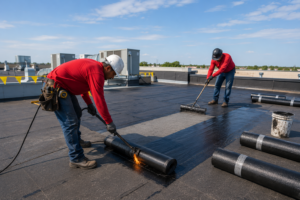
The most common coastal flat roof materials include EPDM, TPO, PVC, and modified bitumen. EPDM is a flexible rubber membrane known for weather resistance and durability. TPO is a reflective single-ply membrane that can help reduce heat absorption. PVC performs well in wet and chemical-exposed environments. Modified bitumen is asphalt-based and often reinforced for added strength.
These materials are used across Long Island because they can cover low-slope surfaces effectively. The best option depends on the roof’s size, use, exposure, and budget.
How Flat Roofs Are Designed for Coastal Weather Conditions
Long Island flat roof design must account for drainage, wind uplift, salt exposure, and temperature changes. A properly designed flat roof includes slope planning, edge securement, reinforced seams, compatible flashing, and drainage points that move water away from the building.
For coastal buildings, the roof perimeter is especially important. Strong winds often create uplift pressure at roof edges and corners. If those areas are not secured correctly, storms can damage the membrane or pull it away from the structure.
Salt-resistant components are also important. Metal flashing, drain parts, fasteners, and rooftop equipment supports should be selected carefully because salt air can accelerate corrosion. A coastal flat roof is strongest when the entire system is designed as one protective layer.
Coastal Weather Challenges for Long Island Flat Roofing Systems
Long Island’s coastal weather can be beautiful, but it can also be tough on roofing systems. Flat roofs have to deal with moisture, salt, wind, sun exposure, and temperature swings throughout the year. Over time, these conditions can weaken membranes, strain drainage systems, and create leak risks if the roof is not installed or maintained correctly.
Coastal roofing problems Long Island property owners commonly face include ponding water, cracked seams, clogged drains, loose flashing, membrane shrinkage, and storm-related punctures. These problems do not always appear immediately. Many begin as small issues and become expensive repairs when they are ignored.
That is why routine inspections and preventive maintenance matter. A flat roof near the coast should not be treated like a set-it-and-forget-it system. It needs ongoing attention so small signs of wear can be corrected before they cause interior water damage.
Salt Air Corrosion and Material Degradation
Salt air is one of the biggest concerns for coastal flat roofing. While roofing membranes themselves may resist salt exposure well, nearby metal components can be more vulnerable. Flashing, fasteners, coping caps, drains, and rooftop equipment supports may corrode faster when exposed to salty air.
Corrosion can weaken roof edges and create openings where water can enter. It can also affect drainage parts and cause staining, rust, or loose connections. Over time, this may reduce the roof’s ability to protect the building.
A coastal roof should use corrosion-resistant materials whenever possible. Regular cleaning and inspection can also help prevent salt buildup from becoming a long-term problem.
Heavy Rainfall and Drainage Issues
Flat roof water damage Long Island buildings often experience starts with poor drainage. Because flat roofs have a low slope, water must be directed carefully toward drains, scuppers, or gutters. When water sits on the surface too long, it creates ponding.
Ponding water can stress the membrane, speed up surface wear, attract debris, and increase the chance of leaks around seams and penetrations. During heavy rain, clogged drains or undersized gutters can cause water to back up and overflow.
This is where properly installed Gutters and drainage systems become essential. A strong membrane helps, but drainage is what keeps the roof from carrying unnecessary water weight after storms.
High Winds and Storm Exposure
Long Island coastal storms can create intense wind pressure on flat roofs. Wind uplift occurs when strong winds move across the roof surface and create suction that pulls upward on the membrane. Roof corners, edges, and parapet areas are usually the most vulnerable.
Storms can also bring flying debris, heavy rainfall, and sudden pressure changes. If seams are weak or flashing is loose, water can enter quickly. Reinforced installation helps reduce these risks.
For coastal properties, professional installation is not optional. Proper fastening, seam welding, perimeter securement, and flashing details help a roof withstand storm exposure and protect the building below.
Best Flat Roofing Systems for Coastal Conditions in Long Island
The best flat roofing systems for coastal conditions in Long Island are the ones that match the building’s exposure, use, and maintenance needs. There is no single material that works best for every property. A small residential flat roof may need a different solution than a large commercial building near the shoreline.
EPDM, TPO, and PVC are among the most common options because they offer strong performance in low-slope roofing applications. Modified bitumen is also used when a thicker, asphalt-based roof system is preferred. Each system has strengths and limitations.
The key is to think beyond the initial installation price. Coastal properties need roofing systems that can handle salt air, sun exposure, storm activity, and moisture. A slightly higher upfront investment in the right membrane may reduce long-term repair costs and extend service life.
EPDM Roofing for Coastal Durability
EPDM flat roofing Long Island properties often use is valued for its flexibility and weather resistance. EPDM is a synthetic rubber membrane that performs well through seasonal temperature changes. It can expand and contract without becoming brittle as quickly as some older roofing materials.
One major benefit of EPDM in coastal conditions is its resistance to UV exposure and general weathering. Long Island roofs can experience hot summers, cold winters, and moisture-heavy weather, so flexibility matters. EPDM can be a reliable option for residential and commercial buildings when installed correctly.
Coastal EPDM roofing benefits include durability, simple repairability, and strong performance on many low-slope buildings. However, seam quality is very important. Poorly installed seams can become weak points where water enters. That is why EPDM should be installed by experienced professionals who understand surface preparation, adhesive application, flashing, and edge securement.
For many property owners, EPDM offers a practical balance between cost and long-term performance.
TPO and PVC Roofing Performance in Coastal Areas
TPO roofing Long Island properties often use is popular because of its reflective surface and energy efficiency. TPO can help reduce heat absorption during warmer months, which may improve indoor comfort and reduce cooling demand. For buildings exposed to strong sun, this can be a valuable benefit.
PVC flat roofing systems Long Island commercial properties use are known for strong moisture resistance, chemical resistance, and heat-welded seams. PVC can be a strong choice for restaurants, industrial buildings, and coastal commercial properties where oils, chemicals, or rooftop equipment may be present.
Both TPO and PVC can perform well in coastal areas when properly installed. Their heat-welded seams can create strong watertight connections. However, installation quality still matters. Poor welding, improper flashing, or weak edge detailing can reduce performance.
For business owners exploring Commercial Roofing, TPO and PVC are often worth considering because they combine low-slope coverage, energy benefits, and strong moisture resistance.
Flat Roofing Systems on Long Island: Pros and Cons in Coastal Environments
Flat roofing systems in Long Island pros and cons depend heavily on design, material quality, installation, and maintenance. A well-built flat roof can serve a coastal property effectively for many years. A poorly installed one can develop ponding, seam failure, and leak issues much sooner than expected.
The coastal environment adds pressure to every roofing choice. Salt air can affect components. Wind can test attachment strength. Rain can expose drainage flaws. Humidity can increase moisture concerns. Because of this, a flat roofing system should be evaluated as a complete assembly rather than just a membrane.
For many Long Island homes and businesses, the benefits of coastal flat roofs are strong. They offer usable roof space, efficient coverage, and modern material options. The drawbacks are manageable when the system is properly installed and inspected.
Advantages of Coastal Flat Roofing Systems
Flat roofs offer several practical advantages for Long Island properties, especially commercial and multifamily buildings. They are efficient to install on large surfaces and allow easy access for maintenance crews.
Key advantages include:
- Efficient use of rooftop space for HVAC units, solar panels, vents, and access areas
- Strong coverage for large commercial and industrial buildings
- Potential energy savings when reflective membranes are used
- Easier inspection access compared with steep roofing systems
- Flexible material options for different budgets and performance needs
Flat roofs can also simplify future service work because contractors can safely access many areas of the roof. When paired with strong drainage and weather-resistant materials, flat roofs can be a practical coastal solution.
Potential Drawbacks in Coastal Areas
Flat roofs also require careful planning. Because they have a low slope, water management is more important than it is on steep roofs. If drainage is poor, water can sit on the surface and create long-term damage.
Coastal storms can also expose weak seams, flashing errors, and unsecured edges. Salt air can affect metal components, while humidity can make moisture control more important. These risks do not mean flat roofs are a bad choice. They mean the roof needs proper design, quality materials, and consistent care.
Professional installation matters because many flat roof problems begin at detail points. Seams, drains, corners, flashing, penetrations, and edges are where most failures start. A skilled contractor can reduce these risks from the beginning.
Cost of Flat Roofing Systems in Long Island
Flat roofing cost Long Island property owners pay can vary based on roof size, material, access, condition, drainage needs, and coastal installation requirements. A simple flat roof replacement on a small structure will cost less than a large commercial roof with multiple penetrations, HVAC units, skylights, drains, and damaged decking.
Coastal roof replacement cost Long Island projects may also be affected by stronger fastening requirements, corrosion-resistant components, reinforced flashing, and added drainage improvements. These details can increase upfront cost, but they may also reduce future repair issues.
It is important to avoid choosing a flat roofing system based on price alone. The lowest quote may not include proper tear-off, insulation replacement, drainage corrections, edge metal upgrades, or warranty-backed installation. A complete estimate should explain what is included and how the system will perform in coastal conditions.
Factors Affecting Flat Roofing Costs
The main cost factors include material type, roof size, labor, tear-off needs, insulation, drainage corrections, flashing details, and roof access. Buildings with rooftop equipment or complex penetrations may require more time and detail work.
Coastal installation may also require upgraded fasteners, reinforced perimeter details, and corrosion-resistant accessories. These items can affect cost, but they are often necessary for long-term performance near the water.
Cost Comparison of Coastal Roofing Systems
The table below gives a general comparison of common flat roofing systems. Actual pricing depends on property conditions and contractor scope.
| Flat Roofing System | Typical Cost Level | Coastal Strengths | Maintenance Needs | Best For |
| EPDM | Moderate | Flexible, weather-resistant, repairable | Moderate | Residential and small commercial roofs |
| TPO | Moderate to High | Reflective, energy-efficient, heat-welded seams | Moderate | Commercial and mixed-use buildings |
| PVC | Higher | Moisture-resistant, chemical-resistant, strong seams | Moderate | Restaurants, industrial buildings, coastal commercial properties |
| Modified Bitumen | Moderate | Reinforced surface, proven performance | Moderate to Higher | Smaller low-slope roofs and roof sections |
The best value is not always the lowest initial price. For coastal properties, long-term durability, repair history, energy performance, and warranty coverage should all be considered.
Flat Roofing Systems vs Other Roofing Types in Long Island Coastal Areas
Flat roofing systems are not the only option for Long Island properties. Depending on the building style, property owners may also compare flat roofs with shingle roofs or metal roofs. Each type has a different role in coastal construction.
Flat roofs are common on commercial buildings and low-slope structures. Shingle roofs are more common on pitched residential homes. Metal roofs can perform well in certain coastal conditions, but they require careful material selection and corrosion protection.
When comparing systems, the most important factors are slope, building use, wind exposure, drainage, maintenance, and budget. A roof that works well on one property may not be ideal for another.
Flat Roof vs Shingle Roof in Coastal Long Island
Flat roofing vs shingle roofing Long Island comparisons usually begin with roof slope. Shingle roofing is designed for pitched roofs where water sheds quickly. Flat roofing is designed for low-slope roofs where membranes create a waterproof surface.
| Category | Flat Roofing | Shingle Roofing |
| Best Roof Type | Low-slope buildings | Steep-slope homes |
| Coastal Wind Resistance | Strong when reinforced properly | Good when shingles are rated and installed correctly |
| Drainage | Depends on drains, scuppers, and slope | Water sheds naturally with roof pitch |
| Maintenance | Requires regular inspection of seams and drains | Requires inspection of shingles, flashing, and valleys |
| Common Use | Commercial, multifamily, additions | Residential homes |
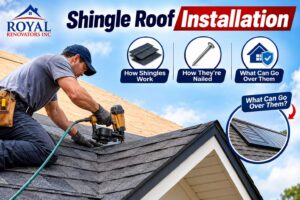
For homeowners with steep roofs, Shingle roofing may be the better fit. For low-slope sections, additions, commercial properties, and rooftop equipment areas, flat roofing is usually more appropriate.
Flat Roof vs Metal Roofing in Coastal Conditions
Metal roof vs flat roof Long Island decisions depend on the structure and exposure level. Metal roofing can offer long service life, but coastal salt air can increase corrosion risk if the wrong metal or coating is used. Flat roofing membranes avoid some metal corrosion concerns, but they need better drainage maintenance.
| Category | Flat Roofing | Metal Roofing |
| Corrosion Risk | Mainly affects metal components | Depends heavily on metal type and coating |
| Lifespan | Strong with proper material and maintenance | Long when coastal-rated materials are used |
| Installation Complexity | Requires membrane skill and drainage planning | Requires precise panel installation and fastening |
| Best Use | Low-slope and commercial roofs | Pitched roofs and selected low-slope applications |
| Coastal Concern | Ponding, seams, wind uplift | Salt corrosion, fastener issues, coating wear |
Metal roofing can be excellent for certain buildings, but not every low-slope roof is a good candidate. A professional Roofing contractor can inspect the structure and recommend the right system.
Energy Efficiency of Flat Roofing Systems in Coastal Long Island
Energy efficient flat roofing Long Island properties use can make a noticeable difference during warm months. Coastal areas may benefit from ocean breezes, but summer heat and humidity can still place stress on cooling systems. A roof that absorbs too much heat can increase indoor temperatures and energy demand.
Flat roofs can be designed with reflective membranes, proper insulation, and ventilation planning to improve energy performance. TPO and PVC are often selected for their reflective properties. EPDM can also perform well when paired with proper insulation or coatings.
Cool roof systems coastal areas use are designed to reflect sunlight and reduce heat absorption. For commercial buildings with large roof surfaces, this can be especially helpful.
Reflective Roofing Materials and Cooling Benefits
Reflective flat roofing materials help bounce sunlight away from the roof surface. White TPO and PVC membranes are common examples. By reducing surface temperature, these systems may help lower cooling strain during hot Long Island summers.
This is especially useful on commercial buildings, restaurants, warehouses, and multifamily properties with large flat roof areas. Reflective systems may also improve rooftop comfort for maintenance crews.
Impact of Coastal Climate on Energy Performance
Coastal humidity affects how buildings feel indoors. Even when temperatures are moderate, moisture in the air can make cooling systems work harder. Proper roof insulation helps reduce heat transfer and supports better indoor comfort.
Energy performance should be considered during Roof replacement, not after. Once the old roof is removed, it is often the best time to upgrade insulation, correct drainage, and install a more efficient membrane.
Commercial Flat Roofing Systems in Long Island Coastal Areas
Commercial flat roofing Long Island businesses depend on must handle large roof areas, rooftop equipment, drainage systems, and constant weather exposure. Offices, warehouses, retail centers, restaurants, apartment buildings, and industrial facilities often use flat roofing because it is practical and efficient.
Industrial roofing systems Long Island properties use may also need added resistance to chemicals, grease, foot traffic, or mechanical equipment. That is why commercial flat roofs should be selected based on how the building is used, not only where it is located.
A commercial roof failure can interrupt operations, damage inventory, affect tenants, and create costly emergency roof repairs. For coastal businesses, preventive planning is far more cost-effective than waiting for leaks.
Why Businesses Prefer Flat Roofing Systems
Businesses prefer flat roofs because they cover large buildings efficiently and allow practical use of rooftop space. HVAC units, vents, exhaust systems, satellite equipment, and solar panels can often be placed on flat roof surfaces.
Flat roofs also make inspections and maintenance easier. Contractors can access drains, seams, flashing, and rooftop equipment without the same challenges found on steep roofs. For commercial properties, easier access can reduce service time and help prevent small issues from becoming major disruptions.
Long-Term Benefits for Commercial Properties
The long-term benefits of a well-installed commercial flat roof include improved energy performance, easier maintenance, better rooftop equipment access, and strong coverage for large structures. A properly selected system may also reduce recurring repair costs.
For coastal businesses, the best results come from combining durable membranes with scheduled inspections. Business owners should also document maintenance and repairs because roof records can support warranty claims and future planning.
Maintenance Tips for Coastal Flat Roofing Systems
Flat roof maintenance Long Island property owners schedule should be consistent, especially near coastal areas. Salt air, wind, rain, humidity, and storm debris can all affect roof performance. Maintenance does not have to be complicated, but it does need to be regular.
A flat roof should be inspected after major storms and at least seasonally. Drains should stay clear. Seams should be checked. Flashing should remain tight. Rooftop equipment should not rest directly on the membrane without proper supports.
Coastal roof inspection tips focus on prevention. The goal is to find early signs of damage before they lead to leaks, insulation saturation, or interior repairs.
Preventing Salt and Moisture Damage
Preventing salt and moisture damage starts with keeping the roof clean and dry. Salt residue, leaves, branches, and dirt can hold moisture against the roof surface. Over time, this can contribute to staining, wear, or corrosion around metal parts.
Protective coatings may help some flat roof systems, but they should be compatible with the existing membrane. The wrong coating can create adhesion problems or void warranty coverage. Always confirm compatibility before applying any coating.
Seasonal Roof Inspection Checklist
A seasonal inspection is one of the best ways to protect a coastal flat roof. It helps identify small concerns before storms expose them.
A proper inspection should include:
- Check drains, scuppers, and gutters for clogs or slow drainage
- Look for ponding water, soft spots, or stained roof areas
- Inspect seams, flashing, edges, and roof penetrations
- Review rooftop equipment supports and nearby membrane wear
- Document storm damage, punctures, or loose materials quickly
When issues are found, timely Roof Repair can prevent water from spreading into insulation, decking, walls, or interior spaces.
Are Flat Roofing Systems Good for Long Island’s Coastal Climate?
Flat roofing systems can be very good for Long Island’s coastal climate when they are selected and installed correctly. The key is choosing a system that fits the building’s exposure and maintenance expectations. A flat roof near the coast needs more than a basic membrane. It needs drainage planning, edge protection, proper flashing, and durable components.
The question “is flat roofing good in Long Island” depends on the property. For commercial buildings, multifamily properties, garages, additions, and low-slope areas, flat roofing is often the most practical option. For steep residential roofs, shingles or another pitched roofing system may be more suitable.
Real-World Performance in Coastal Areas
In real-world coastal conditions, flat roofs perform best when they are inspected regularly and repaired early. Many problems come from ignored maintenance rather than material failure alone.
Contractors often find that roof edges, drains, seams, and penetrations reveal the first signs of trouble. When these areas are reinforced and maintained, flat roofs can provide strong protection against Long Island’s coastal weather.
Final Evaluation of Suitability
Flat roofing is suitable for many Long Island homes and businesses, especially when the building has a low-slope structure. EPDM, TPO, PVC, and modified bitumen can all work well depending on the project.
The best choice depends on budget, roof size, energy goals, drainage condition, and storm exposure. A professional roof inspection is the safest way to determine whether repair, restoration, or replacement is the right next step.
Conclusion: Choosing the Right Flat Roofing System in Long Island
Flat roofing systems in Long Island need to be chosen with coastal conditions in mind. Salt air, humidity, heavy rain, wind uplift, and storm exposure all affect how a roof performs over time. A system that works well inland may not always provide the same durability near the coast.
For many properties, EPDM offers flexibility and reliable weather resistance. TPO provides energy efficiency and reflectivity. PVC offers strong moisture and chemical resistance for demanding commercial environments. Modified bitumen remains a practical option for certain low-slope roofs. The right choice depends on the property, roof condition, budget, and long-term performance goals.
Coastal flat roof solutions Long Island property owners choose should always include proper drainage, reinforced edges, quality flashing, and routine maintenance. Cutting corners during installation can lead to leaks, ponding water, storm damage, and higher repair costs later.
If your roof is showing signs of wear, holding water after rain, or struggling after recent storms, now is the right time to act.
Contact Royal Roofing & Siding – Long Island today at 516-252-3001 or visit us at 70 Sunrise Hwy Suite 500, Valley Stream, NY 11581 to schedule a professional flat roofing inspection. Our team can help you choose a durable system built for Long Island’s coastal conditions.
FAQs – Flat Roofing Systems in Long Island Coastal Areas
What are the best flat roofing systems in Long Island?
The best options include EPDM, TPO, PVC, and modified bitumen. The right choice depends on roof size, drainage, budget, and coastal exposure.
How does coastal weather affect flat roofs in Long Island?
Salt air, humidity, heavy rain, and strong winds can cause ponding water, corrosion, seam damage, and faster roof wear.
Which flat roofing material lasts longest in coastal areas?
PVC and high-quality EPDM are often long-lasting options when installed properly and maintained regularly.
What is the cost of flat roofing systems in Long Island?
Cost depends on material, roof size, insulation, drainage work, labor, and repair or replacement needs.
Are flat roofs good for coastal homes and businesses?
Yes, flat roofs work well in coastal areas when they have proper drainage, durable membranes, and professional installation.