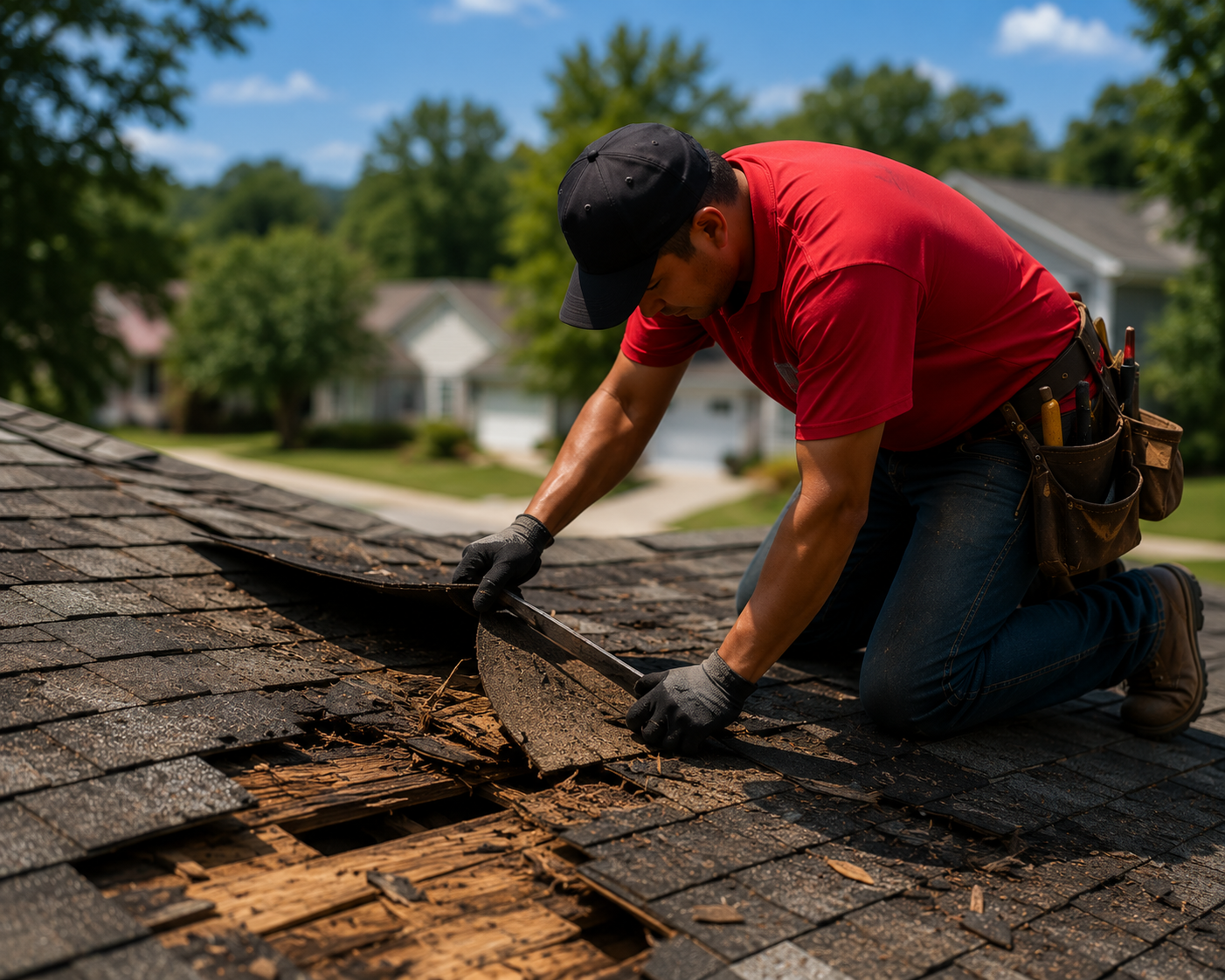
Roof Inspection Far Rockaway services are more important than a simple yearly roof check because homes near the shoreline face coastal conditions that can weaken roofing systems faster than many inland properties. Far Rockaway homes deal with salt air, strong wind, high humidity, storm moisture, shifting temperatures, and drainage stress throughout the year.
This guide focuses on coast-driven inspection needs, not generic roof checkups. It explains how Far Rockaway’s environment affects shingles, flat roof membranes, flashing, fasteners, gutters, vents, underlayment, decking, and attic ventilation. It also explains why preventative roofing maintenance can save homeowners from larger repair costs.
NYC Renovators Far Rockaway helps homeowners, landlords, property managers, and business owners with coastal roof inspections, roof repair, flat roofing, shingle roofing, roof replacement, storm damage repair, gutters, siding, masonry, waterproofing, and exterior maintenance. In coastal neighborhoods, a roof inspection should look at the entire building envelope, not only the visible roof surface.
What Makes Far Rockaway’s Coastal Environment Hard on Roof Systems
Far Rockaway’s coastal setting creates daily pressure on roof systems. The roof is not only exposed during storms. It is also affected by ocean air, humidity, wind, salt residue, rain, fog, and moisture cycles throughout the year. These forces slowly wear down materials and make small issues more serious over time.
Homes near the shoreline often experience faster deterioration because materials stay damp longer and metal components are more likely to corrode. Without regular inspections, small issues can remain hidden until they cause leaks, mold concerns, soft decking, damaged insulation, or structural problems.
Salt Air, Moisture, and Daily Environmental Exposure
Salt particles can travel from the shoreline and settle on roofing materials, even when the weather seems calm. These particles collect on shingles, flashing, vents, gutters, fasteners, pipe collars, skylight details, and roof edges.
Salt attracts moisture, which means roofing components can stay damp longer than they would in inland areas. This creates a higher risk of rust, seal breakdown, staining, surface wear, and hidden moisture movement. Over time, the roof can lose performance even if it does not look severely damaged from the ground.
Daily exposure matters because it causes slow damage over time. A roof may look fine from the street while small coastal issues are developing at the material level. This is why visual checks from the ground are not enough for many Far Rockaway homes.
A regular inspection can identify early corrosion, loosened flashing, worn sealants, surface staining, and drainage problems before they become active leaks.
Coastal Wind Patterns and Pressure Zones
Far Rockaway roofs also face coastal wind pressure. Wind can lift shingles, pull at flat roof seams, loosen flashing, bend gutters, and stress roof edges. These pressure zones are strongest at corners, ridges, perimeters, valleys, parapet walls, and roof transitions.
This is especially important for homes and buildings near Rockaway Beach and Arverne, where open coastal wind can hit roof surfaces directly. Flat roofs in Edgemere or mixed-use Far Rockaway buildings may also experience membrane edge movement after strong gusts.
A proper inspection checks these vulnerable areas closely. The goal is to find movement, gaps, loose materials, and weak fasteners before they become leak points.
High Humidity and Moisture Retention Issues
High humidity slows roof drying time. Moisture from fog, rain, dew, and ocean air may stay on the roof or inside attic spaces longer than expected. When moisture remains trapped, roofing materials can age faster.
This increases the risk of algae growth, mold concerns, rot, insulation damage, and corrosion. Roofs with poor ventilation are especially vulnerable because trapped moisture can collect under the roof deck and remain hidden.
A complete roof inspection should include attic conditions, roof surface condition, drainage, ventilation, flashing, and signs of moisture movement.
How Roof Inspections Detect Coastal Damage Before It Escalates
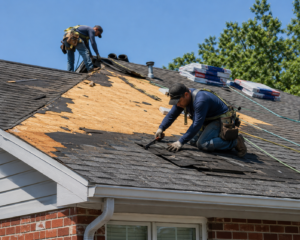
A roof inspection is not only about finding missing shingles. In Far Rockaway, it should focus on signs of coastal exposure that can shorten roof life. These signs may include rust, moisture stains, loose flashing, weakened sealants, membrane cracks, clogged gutters, soft decking, and drainage problems.
A professional Roof Inspection Far Rockaway homeowners schedule can identify damage before it spreads. Early detection helps reduce repair costs and protects the home from larger water intrusion issues. It also gives homeowners time to plan maintenance instead of waiting for emergency roof repair.
Coastal roof damage often develops in small details. A rusting fastener, cracked pipe boot, slightly lifted membrane edge, or clogged drain can become a major problem during the next rain or wind event. The earlier these issues are found, the easier they are to correct.
A thorough inspection helps homeowners understand whether the roof needs cleaning, minor repair, reinforcement, drainage correction, or a larger roofing solution.
Identifying Corrosion in Metal Components
Metal components are some of the first areas checked during a coastal roof inspection. Flashing, fasteners, vents, gutters, drip edges, roof drains, pipe collars, and gutter attachments can corrode faster near salt air.
Early rust may appear as light staining or surface discoloration. Advanced corrosion may show as flaking metal, loose flashing, rust holes, weakened fasteners, or gutter movement. These signs should not be ignored near the ocean because salt exposure can make corrosion spread faster.
Catching corrosion early helps prevent leaks around roof transitions. Once metal parts fail, water can enter vulnerable areas around walls, vents, chimneys, skylights, and roof edges.
NYC Renovators Far Rockaway checks these details carefully because many coastal roof leaks begin around smaller metal components, not the main roof surface.
Spotting Shingle and Membrane Breakdown
Shingle roofing inspections focus on granule loss, lifting, curling, cracking, nail pops, and weak adhesion. These signs can indicate wind stress, UV wear, salt exposure, or moisture damage. A shingle may still be in place but no longer sealed properly.
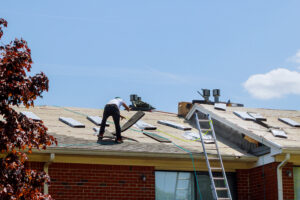
Flat roofing inspections focus on membrane cracking, blistering, seam separation, punctures, shrinkage, and ponding water. These issues can allow moisture to enter below the surface and travel beneath the membrane before appearing indoors.
Both shingle and flat roofing systems need coastal-focused evaluation. The inspection should consider exposure level, roof age, drainage, ventilation, and how quickly materials are aging compared to inland properties.
For Far Rockaway homes with mixed roof designs, each section should be inspected separately. A pitched front roof may have shingle concerns, while a rear flat roof may have ponding or seam issues.
Checking Roof Seals, Joints, and Penetrations
Roof seals and penetrations are common leak points. Chimneys, skylights, vents, pipe boots, drains, wall connections, and roof edges must remain sealed against wind-driven rain and coastal moisture.
Seal failures are common in coastal zones because heat, humidity, wind movement, and salt exposure can cause sealants to crack or shrink. Once gaps appear, water can enter slowly and damage hidden roof layers.
A roof inspection checks whether these seals are still flexible, bonded, and watertight. Small seal repairs can prevent expensive interior leaks and reduce the risk of mold, insulation damage, and ceiling stains.
Important inspection areas include:
- Flashing, fasteners, vents, and pipe collars with rust or corrosion
- Shingles showing granule loss, curling, lifting, or surface wear
- Flat roof seams with cracks, separation, blisters, or edge movement
- Attic areas with damp insulation, condensation, or musty odor
- Gutters, drains, and downspouts blocked by sand, leaves, or debris
Early Warning Signs Found During Coastal Roof Inspections
A Roof Checkup Far Rockaway homeowners request can reveal warning signs that are easy to miss from the ground. Many early roof issues do not look urgent at first, but near the coast, small damage can grow quickly because salt, wind, and humidity work together.
Surface-level signs may include staining, algae growth, blistering, loose materials, rust marks, and minor lifting. Hidden signs may include underlayment wear, damp insulation, soft decking, attic condensation, or moisture stains below the roof surface.
Coastal homes often age faster than inland homes because salt, wind, and humidity apply constant pressure. A roof that appears only slightly worn may already be losing protective performance in areas that are not visible.
A professional inspection helps separate cosmetic issues from warning signs that need attention. This helps homeowners avoid unnecessary panic while still taking real problems seriously.
Surface-Level Issues Homeowners Miss
Minor lifting, blistering, staining, and small rust marks are often overlooked. Many homeowners assume these are cosmetic problems, but they can be early signs of roof weakness. In Far Rockaway, these small signs should be checked because coastal exposure can make them spread faster.
A lifted shingle may no longer seal properly. A blister on a flat roof may indicate trapped moisture. A rust stain may point to a weakening fastener or flashing detail. A clogged gutter may mean water has already been backing up near the roof edge.
These small signs should be documented and monitored. Early repair can prevent water from moving below the surface and causing larger damage.
Homeowners should also pay attention to changes after storms. If a roof looks slightly different after high wind, heavy rain, or coastal flooding, inspection is safer than waiting for a leak.
Hidden Structural Risks Beneath the Roof
Hidden risks are more serious because they may not be visible from outside. Underlayment can wear down, roof decking can absorb moisture, and insulation can become damp. These hidden layers determine how well the roof protects the home.
When moisture reaches the roof structure, repair becomes more complicated. Soft decking, mold concerns, and saturated insulation can increase cost and affect indoor comfort. These issues may also make the roof less reliable during the next storm.
A coastal roof inspection may include attic review, moisture checks, and close evaluation of problem areas. This helps reveal what surface inspection alone may miss.
For homes with previous leaks, flat roof sections, or older ventilation systems, hidden moisture checks are especially important. The roof may appear stable while moisture is already moving beneath the visible surface.
Premature Aging Compared to Inland Properties
Far Rockaway roofs may age faster than inland roofs because they face more salt, wind, and humidity. This can shorten the expected lifespan of shingles, flashing, sealants, gutters, and flat roof membranes.
Premature aging may show as granule loss, cracked sealants, curling shingles, loose edges, rust marks, or recurring small leaks. These issues can appear before the roof reaches its expected service life.
Inspections help homeowners compare roof age with actual condition. This allows better planning for maintenance, repair, or replacement. A roof may not need replacement yet, but it may need stronger maintenance to continue performing.
This is where preventative roofing maintenance becomes valuable. It helps homeowners extend roof life instead of waiting for major failure.
Why Standard Roof Inspections Fall Short for Coastal Homes
Standard inspections may not go deep enough for coastal homes. A general roof check may look for obvious missing shingles or visible leaks, but coastal exposure often creates hidden damage in fasteners, seals, edges, underlayment, ventilation, and drainage areas.
A true coastal roof inspection must evaluate how salt air, wind, humidity, and drainage affect the roofing system. This requires a different mindset than inspecting a roof in a protected inland neighborhood.
Far Rockaway properties need deeper evaluations because small coastal weaknesses can spread quickly. A basic inspection may miss early corrosion, weak sealants, edge uplift, flat roof seam movement, attic condensation, and slow drainage problems.
The purpose of a coastal inspection is prevention. It should identify damage patterns and recommend maintenance before the roof fails. This is especially important for homes near the beach, older buildings, and properties with flat roof sections.
Inland Inspection Methods vs Coastal Reality
Inland inspection methods often focus on storm damage, age, visible leaks, and general surface wear. These are important, but they are not enough for homes near the shoreline.
Coastal homes need extra attention to salt-affected components, moisture retention, corrosion, wind uplift, and drainage. These issues may not be obvious during a quick visual check. A roof may look complete but still have rusted fasteners, weak sealants, or damp attic insulation.
A deeper evaluation helps determine whether the roof is aging normally or being accelerated by coastal exposure. This helps homeowners make smarter decisions about maintenance and repairs.
For Far Rockaway homes, a quick glance from the ground is not enough. The inspection should consider the roof system from the surface down to the attic and drainage pathways.
Importance of Salt-Resistant Inspection Criteria
A coastal roof inspection should include criteria for salt exposure. This means checking fasteners, flashing, metal vents, gutter attachments, roof edge components, roof drains, and pipe collars for corrosion or early movement.
Salt exposure can weaken small components before the main roof surface fails. If these pieces loosen or rust, they can create entry points for wind-driven rain. These details are especially important around chimneys, skylights, vents, gutters, and flat roof edges.
A salt-resistant inspection mindset also looks at whether replacement parts or repairs should use coastal-grade materials. Replacing a corroded component with the same weak material may only delay the next failure.
NYC Renovators Far Rockaway uses coastal conditions as part of the evaluation because repairs near the ocean should be built for local exposure.
Wind Uplift and Drainage Assessment
Wind uplift assessment is important in Far Rockaway because roof edges and corners face strong pressure. Inspectors should check for loose shingles, weak membrane edges, lifted flashing, open seams, and gaps at roof perimeters.
Drainage assessment is equally important. Gutters, scuppers, drains, and downspouts must move water away from the roof quickly. Standing water can shorten roof life and increase leak risk, especially on flat or low-slope sections.
A coastal inspection should connect these issues together. Wind can open small gaps, and poor drainage can push water into those openings. When both problems exist, leaks can develop faster.
The best inspection does not only list defects. It explains how those defects may affect the roof during the next coastal storm or humid weather cycle.
Inspection Focus Areas by Roofing Type in Far Rockaway
Different roofing systems need different inspection priorities. A shingle roof, flat roof, and commercial roof can all be affected by coastal exposure, but each system shows damage in its own way.
Preventative roofing maintenance works best when the inspection matches the roof type. A one-size approach can miss important problems. Shingle roofs need adhesion and granule checks. Flat roofs need seam and drainage checks. Commercial roofs need wider surface evaluation and rooftop equipment review.
Far Rockaway homes and businesses often have mixed roof designs. A property may include pitched shingles, flat roof sections, gutters, skylights, vents, chimneys, and rooftop equipment. Each area should be inspected separately.
A complete inspection helps owners understand which parts of the roof are still performing and which parts need attention. It also helps prioritize repairs so the most urgent issues are handled first.
Shingle Roofing Inspection Priorities
Shingle roofing inspections should focus on nail pops, shingle adhesion, granule loss, curling, lifting, flashing condition, roof valleys, and attic moisture. Coastal wind can loosen shingles before they blow off completely.
Inspectors should also check valleys, ridges, edges, and wall transitions. These areas are more likely to leak when wind-driven rain enters small openings.
For homes near Rockaway Beach and Arverne, wind-facing slopes should receive extra attention. For Bayswater homes, attic moisture and ventilation should also be reviewed carefully.
Flat Roofing Systems: EPDM and TPO
Flat roofing systems such as EPDM and TPO need careful seam and membrane evaluation. Inspectors should check for punctures, shrinkage, blistering, ponding water, loose edges, seam failure, and flashing movement.
A flat roof inspection should also check rooftop equipment, vents, access points, and signs of foot traffic damage. These details often cause leaks when ignored.
Commercial Roofing Considerations
Commercial roofing systems often have larger surface areas, more drains, more penetrations, and more rooftop equipment. This creates more places where leaks can begin.
Large flat roof surfaces may collect debris, water, and salt residue. Drainage problems can spread across wide areas if not corrected early. A small blocked drain can create ponding that affects a larger roof section.
Commercial property owners should schedule inspections regularly because roof failure can affect tenants, operations, inventory, equipment, and interior finishes. For mixed-use buildings, a roof issue may affect both residential and business spaces.
Important commercial inspection points include:
- Roof drains, scuppers, gutters, and downspouts
- Rooftop equipment curbs, vents, and penetrations
- Membrane seams, patches, blisters, and worn areas
- Parapet walls, coping, edge metal, and flashing
- Interior ceiling stains, tenant reports, and recurring leak areas
How Preventative Roofing Maintenance Saves Coastal Homeowners Money
Preventative roofing maintenance helps Far Rockaway homeowners avoid emergency repairs and premature roof replacement. Coastal exposure makes small issues more expensive when they are ignored because salt, wind, and moisture can spread damage quickly.
Maintenance allows property owners to correct problems while they are still manageable. A loose flashing repair, small shingle replacement, gutter cleaning, drain clearing, or seal reinforcement costs less than repairing interior water damage.
Regular maintenance also protects related systems. Gutters, siding, masonry, soffits, fascia, attic ventilation, and waterproofing all work with the roof. If one part fails, moisture may move into other areas of the building.
Recommended Roof Inspection Frequency
Far Rockaway roofs should usually be inspected at least once a year. Homes closer to the beach, homes with flat roof sections, older roofs, and properties with previous leaks may need inspections twice a year.
Homeowners should not wait for a ceiling stain to schedule a roof checkup. By the time water appears inside, the roof system may already have hidden damage.
Cleaning, Minor Repairs, and Protective Measures
Cleaning and minor repairs help prevent bigger failures. Salt residue, leaves, sand, moss, algae, and debris can hold moisture and block drainage. Removing buildup helps the roof dry properly and reduces unnecessary stress.
Protective measures may include seal reinforcement, flashing repair, gutter cleaning, drain clearing, small shingle repairs, membrane patching, and improved ventilation. These steps keep the roof system stronger.
Minor maintenance also helps prevent emergency calls. A roof that is checked regularly is less likely to fail suddenly during bad weather because weak points are corrected before the next storm.
Useful preventative maintenance steps include:
- Clean gutters, roof drains, and scuppers before heavy rain seasons
- Repair loose flashing, lifted shingles, and cracked sealants early
- Remove moss, algae, sand, and debris using roof-safe methods
- Check attic ventilation, damp insulation, and musty odors
- Document inspection findings, repairs, and recurring problem areas
Why Inspections Are Usually More Practical Than Emergency Repairs
Inspections are usually more practical than emergency repairs because they help homeowners find problems before they become urgent. A small flashing gap can be repaired before it becomes an interior leak. A clogged drain can be cleared before ponding damages a flat roof membrane.
Emergency repairs are often more stressful because they happen after water has already entered the home. At that point, the homeowner may also need ceiling repair, insulation replacement, mold cleanup, or interior drying.
A routine inspection gives homeowners control. It allows them to plan repairs during safer conditions instead of reacting during storms or after water damage.
For coastal homes, this difference matters even more. Far Rockaway roofs face conditions that can turn small issues into expensive repairs faster than inland properties.
When Roof Inspections Lead to Repair vs Replacement Decisions
A roof inspection may show that simple repair is enough, or it may reveal that replacement is the better long-term choice. The decision depends on roof age, damage severity, structural integrity, repair history, and how much coastal exposure has affected the system.
Age is important, but condition matters more. A younger roof with poor installation or drainage may need major repairs, while an older roof with good maintenance may still perform. The inspection should look at the actual condition of the roof, not only its age.
Repair may be sufficient when damage is localized and the roof structure is sound. Replacement becomes unavoidable when repairs no longer hold, leaks keep returning, or moisture has reached deeper roof layers.
When Immediate Repair Is the Right Choice
Immediate repair is the right choice when the inspection finds damage that can lead to leaks soon but has not yet spread deeply. Examples include loose flashing, lifted shingles, cracked sealant, clogged drainage, minor membrane openings, or early corrosion around roof accessories.
If the roof deck is stable and moisture has not spread into insulation or structural layers, repair may restore protection. These repairs should still use materials suitable for coastal exposure.
A good repair also addresses the cause. If poor drainage caused the issue, drainage should be improved. If wind lifted materials, edge securement should be reviewed.
When Replacement Becomes More Practical
Replacement becomes more practical when the inspection finds widespread failure. This may include recurring leaks, soft decking, sagging areas, widespread granule loss, membrane cracking, seam failure, rusted flashing, loose fasteners, or failing roof edges.
A planned roof replacement allows homeowners to choose better materials, improve ventilation, strengthen drainage, and upgrade coastal details before an emergency happens.
What Homeowners Should Expect After an Inspection
After an inspection, homeowners should receive clear findings that explain the condition of the roof. The inspection should identify urgent repairs, maintenance items, and long-term planning concerns.
A useful inspection should not only say that the roof is good or bad. It should explain which areas are working, which areas need monitoring, and which areas require repair. This helps homeowners make practical decisions.
Signs that inspection may lead to immediate repair or replacement include:
- Active leaks, ceiling stains, or damp attic insulation
- Soft decking, sagging areas, or structural movement
- Widespread granule loss, membrane cracking, or seam failure
- Rusted flashing, loose fasteners, or failing roof edges
- Repeated repairs that do not last through coastal weather
A professional inspection should explain the findings clearly so homeowners can choose the most practical next step based on condition, budget, and future risk.
Conclusion: Why Roof Inspections Are Non-Negotiable for Far Rockaway Homes
Coastal exposure accelerates hidden roof damage in Far Rockaway. Salt air, wind uplift, humidity, moisture retention, corrosion, and drainage issues can weaken a roof long before a leak becomes visible inside the home.
Regular inspections catch problems before they turn costly. A small rust spot, lifted shingle, cracked seal, clogged drain, or loose flashing can often be corrected early. If ignored, those issues may lead to interior leaks, mold concerns, soft decking, emergency repairs, or premature replacement.
Preventative maintenance extends roof lifespan and helps, and future risk.
Conclusion: Why Roof Inspections Are Non-Negotiable for Far Rockaway Homes
Coastal exposure accelerates hidden roof damage in Far Rockaway. Salt air, wind uplift, humidity, moisture retention, corrosion, and drainage issues can weaken a roof long before a leak becomes visible inside the home.
For Far Rockaway, Arverne, Edgemere, Bayswater, and Rockaway Beach properties, roof inspections should be part of regular home maintenance. A coastal roof needs more than occasional attention after a leak. It needs a clear plan for inspection, cleaning, repair, and long-term protection.
For trusted local help, contact Royal Roofing & Siding Far Rockaway at 718-831-6489. Our team serves homeowners throughout Far Rockaway, Queens, NY, with coastal roof inspections, maintenance guidance, and roofing solutions built for ocean-adjacent properties.
How often should roofs be inspected in Far Rockaway?
Far Rockaway roofs should usually be inspected at least once a year and after major storms. Homes closer to the shoreline, older roofs, and flat roofing systems may need inspections twice a year because coastal exposure speeds up wear.
FAQs About Roof Inspections for Far Rockaway Coastal Homes
What does a coastal roof inspection include?
A coastal roof inspection checks shingles, flat membranes, flashing, fasteners, vents, gutters, drainage, sealants, attic moisture, and signs of salt or wind damage. It focuses on conditions common near the ocean.
Can inspections prevent storm-related roof damage?
Inspections cannot stop storms, but they can find weak points before severe weather arrives. Repairing loose flashing, lifted shingles, clogged drains, and weak edges can reduce the chance of major storm-related roof damage.
Are roof inspections required before insurance claims?
Roof inspections are not always required before a claim, but they help document damage clearly. A professional inspection report can support photos, repair estimates, and communication with your insurance provider after storm damage.
Do flat roofs need more frequent inspections near the coast?
Yes. Flat roofs near the coast often need more frequent inspections because ponding water, seam stress, salt residue, and wind uplift can create leaks faster. Drainage and membrane edges should be checked regularly.
Is preventative roofing maintenance worth the cost?
Yes. Preventative maintenance is usually worth the cost because it helps avoid emergency leaks, interior water damage, mold concerns, and premature roof replacement. Small repairs found early are often less expensive than delayed repairs.
When should a roof inspection lead to immediate repairs?
Immediate repairs are needed when an inspection finds active leaks, lifted materials, loose flashing, soft decking, clogged drainage, open seams, or moisture inside the attic. These issues can worsen quickly in coastal weather.