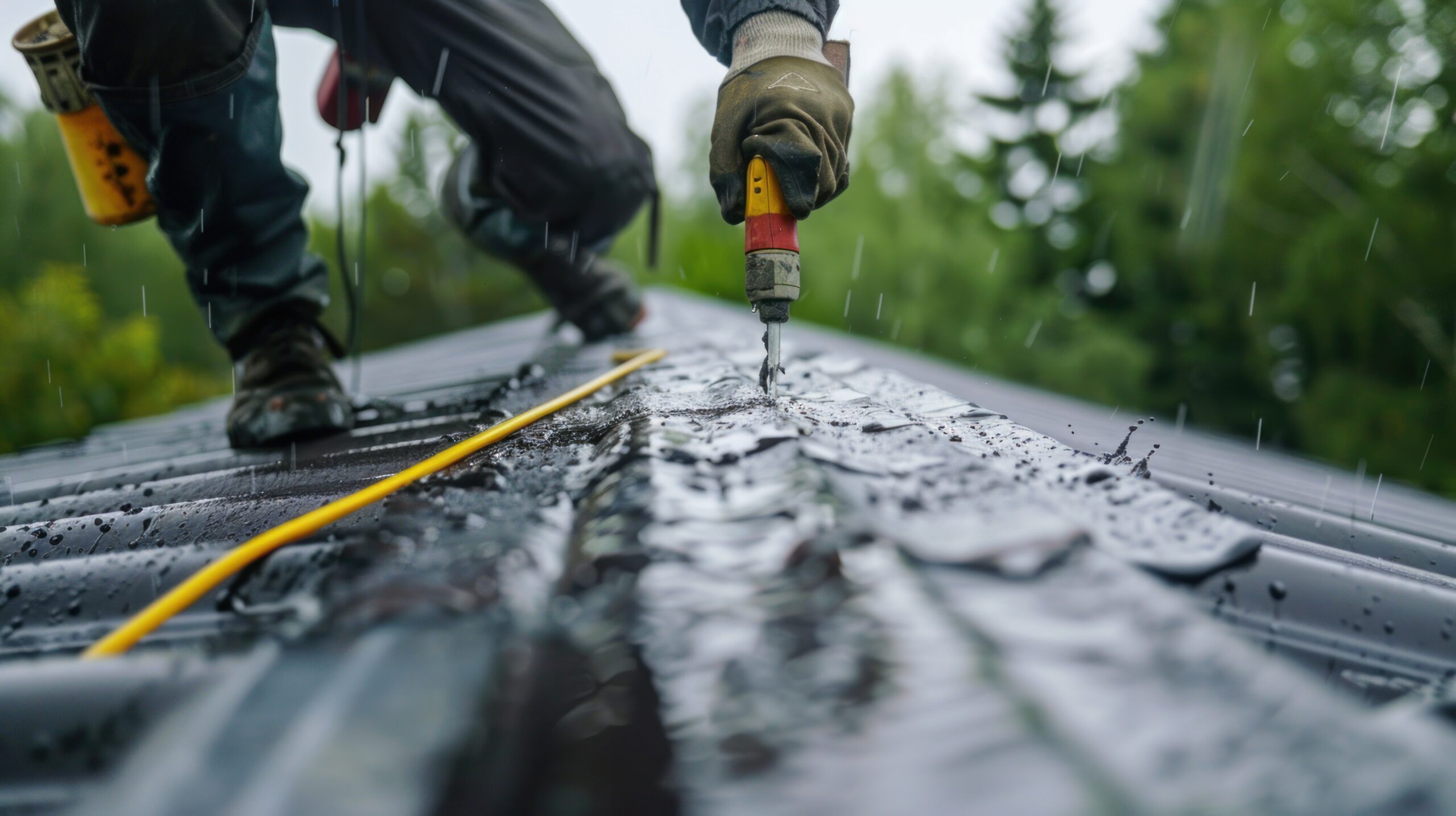
Flat roof maintenance Bronx apartment buildings need should be consistent, practical, and preventive. Many older Bronx multifamily properties rely on flat or low slope roof systems because they work well for dense urban buildings, rooftop equipment, vents, access hatches, and large roof surfaces.
Older apartment buildings often face roof problems that newer properties may not experience as quickly. Aging roof membranes, old flashing, clogged drains, heavy rooftop service traffic, freeze thaw cycles, and ponding water can all shorten roof life if maintenance is ignored.
Bronx apartment roofs also deal with dense construction, nearby buildings, pollution buildup, heavy rain, snow, summer heat, and wind driven debris. These conditions make inspections and drainage care especially important for long term performance.
This guide focuses on maintenance and prevention, not full replacement. The goal is to help building owners, managers, and investors understand how regular care protects tenants, lowers repair risk, and extends the life of older flat roofing systems.
Why Older Bronx Apartment Buildings Need Specialized Flat Roof Maintenance
Older flat roof maintenance Bronx properties require is different from basic roof cleaning. Many apartment buildings have aging materials, layered repairs, older drainage layouts, and rooftop equipment that must be checked carefully.
A flat roof can perform well for many years, but it needs routine attention. Small openings, clogged drains, loose flashing, or worn seams can quickly turn into tenant leaks when weather changes.
In multifamily buildings, maintenance also protects more than the roof surface. It helps reduce complaints, interior water damage, emergency calls, and unexpected capital expenses.
Aging Roofing Systems in Pre War and Mid Century Buildings
Many Bronx apartment buildings were built before modern roof systems and drainage designs became common. Some roofs have several layers of past repairs, older asphalt materials, modified bitumen, or single ply membranes.
Original construction methods may still affect how water moves across the roof. Low spots, old drains, and roof deck movement can create recurring maintenance problems.
Deferred maintenance increases the risk. A small seam issue or flashing gap can stay hidden until heavy rain exposes it.
A professional roofing contractor can help identify which issues come from normal aging and which problems need immediate repair.
Urban Stress Factors Affecting Bronx Flat Roofs
Urban conditions add daily stress to flat roofs. Pollution, dust, trash, leaves, and rooftop debris can collect around drains, seams, scuppers, and gutters.
Foot traffic also matters. HVAC technicians, utility workers, and maintenance teams may walk across the roof to service equipment. Without proper walk pads, repeated traffic can damage the membrane.
Nearby buildings can also drop debris onto roof surfaces. Over time, sharp objects or trapped dirt may wear down protective layers.
Routine cleaning and inspection help prevent small urban stress factors from turning into larger roof issues.
Local Climate Impact on Flat Roof Longevity
Bronx weather creates seasonal roof movement. Summer heat expands materials, while winter cold causes contraction. This movement can stress seams, flashing, and repair patches.
Freeze thaw cycles are especially damaging when water enters small openings. As water freezes, it expands and makes gaps worse.
Snow load and heavy rainfall also test drainage. If drains clog or roof slope is poor, water may remain on the roof longer than it should.
Seasonal roof care helps apartment buildings handle these conditions with fewer leaks and fewer emergency repairs.
Common Flat Roof Problems Found in Bronx Multifamily Buildings
Apartment building roof maintenance should focus on the problems most likely to cause leaks. In older Bronx buildings, the biggest concerns usually include ponding water, membrane wear, flashing failure, drainage problems, and damage around roof penetrations.
Flat roofs do not shed water as quickly as steep roofs. Because of that, small defects can stay wet longer and deteriorate faster.
Building owners should treat recurring roof problems as warning signs. Repeated patching without identifying the source often leads to higher costs later.
Ponding Water Issues on Bronx Flat Roofs
Ponding water Bronx roofs experience often comes from poor slope, clogged drains, old roof design, sagging decking, or blocked scuppers. Even shallow standing water can create long term problems.
Older drainage layouts may not move water efficiently during heavy rain. In some buildings, drains sit too high or low areas develop around previous repairs.
Ponding water places stress on membranes, seams, flashing, and roof decking. It can also attract debris that makes drainage worse.
If water remains on the roof long after rainfall, the roof should be inspected. Drainage correction may be needed before leaks become frequent.
Cracks, Blisters, and Membrane Deterioration
Cracks and blisters often show that the roof surface is aging or that moisture or air has become trapped beneath the membrane. These issues are common on older asphalt and modified bitumen roofs.
UV exposure, heat, cold, and repeated movement can make materials brittle. Once the surface opens, water can enter and spread under the roof layers.
Some blisters remain stable for a while, while others split and become leak points. A contractor should determine whether repair is needed.
Homes and apartment buildings with EPDM or TPO membranes should also be checked for punctures, seam wear, and edge movement.
Flashing Failures Around Roof Penetrations
Flashing protects roof transitions around chimneys, vents, skylights, hatches, walls, and HVAC equipment. These areas often fail before the main roof field.
Water can enter through cracked sealant, loose metal, separated membrane, or poor detailing around penetrations. Once inside, it may travel under the roof before appearing in a tenant unit.
Older buildings may have many roof penetrations added over time. Every added vent, pipe, or equipment curb creates another possible leak point.
Routine roof repair around flashing areas helps prevent water intrusion and tenant complaints.
Importance of Regular Roof Inspection for Bronx Multifamily Properties
Roof inspection Bronx multifamily buildings need to happen on a planned schedule, not only after leaks appear. Regular inspections help property managers find hidden moisture, drainage problems, and material wear before tenants report damage.
Older flat roofs can change quickly after winter, heavy storms, or heat waves. A roof that looks stable in spring may show open seams or clogged drains by fall.
Inspection records also help owners plan repairs and budgets. Clear documentation makes it easier to decide when maintenance is enough and when a larger roofing project should be considered.
How Often Older Flat Roofs Should Be Inspected
Older Bronx flat roofs should usually be inspected at least twice a year, often in spring and fall. Spring inspections help identify winter damage, while fall inspections prepare the roof for snow, ice, and heavy rain.
Post storm assessments are also important. High winds, heavy rainfall, and debris can damage drains, flashing, seams, and roof edges.
Apartment buildings with past leaks, aging membranes, or frequent rooftop activity may need more frequent checks. The schedule should match the building’s condition.
A consistent inspection plan helps owners avoid surprise leaks and emergency calls.
What Professional Roof Inspections Identify Early
A professional inspection can identify hidden moisture damage, open seams, clogged drains, soft roof areas, cracked flashing, membrane wear, and early structural warning signs.
Inspectors also look at the relationship between the roof and drainage system. A leak may start with ponding water rather than a visible hole.
Interior signs can guide the inspection. Ceiling stains, top floor dampness, and tenant complaints may point toward specific roof zones.
Early findings allow owners to plan repairs before damage reaches multiple units.
Compliance, Insurance, and Liability Considerations
Apartment building owners have safety and maintenance responsibilities. A neglected roof can lead to tenant complaints, interior damage, mold concerns, and liability risks.
Insurance documentation also matters. Inspection reports, photos, and repair records help show that the building owner maintained the roof responsibly.
Some issues may involve building code, drainage, or safety concerns depending on the property and damage. Owners should get professional guidance when visible deterioration appears.
Regular inspections support better decisions and reduce the chance of urgent service during bad weather.
Preventive Flat Roof Maintenance Strategies for Older Bronx Buildings
Flat roof maintenance Bronx apartment buildings need should focus on drainage, surface condition, flashing, and minor repairs. These areas have the greatest impact on roof life.
Preventive care works best when it happens before leaks begin. Waiting until water enters tenant spaces usually makes the repair more expensive and disruptive.
A maintenance plan should be simple, consistent, and documented. That gives property owners a clear picture of roof condition over time.
Drainage Maintenance to Prevent Standing Water
Drainage maintenance starts with clearing scuppers, internal drains, gutters, and downspouts. Water should leave the roof quickly after rainfall.
Leaves, trash, roof granules, and urban debris can collect around drainage points. Once water slows down, ponding becomes more likely.
Some older roofs also need slope correction. Tapered insulation, drain adjustments, or roof surface repairs may help direct water properly.
Building owners should not ignore recurring ponding water. It often leads to larger repair needs.
Surface Cleaning and Debris Removal
Flat roof surfaces should stay clean enough for water to move freely. Debris can block drains, scratch membranes, and hide damage.
Urban debris can include plastic, paper, broken equipment parts, leaves, dust, and loose rooftop materials. Sharp debris may puncture a membrane during foot traffic or high winds.
Cleaning also makes inspections more accurate. Contractors can see seams, flashing, cracks, blisters, and drains more clearly.
Routine cleaning is a low cost way to support longer roof performance.
Sealing, Coatings, and Minor Repairs
Sealing and coatings can help extend roof life when the existing roof is still structurally sound. They may protect worn surfaces and improve water resistance.
Minor repairs can include seam reinforcement, flashing repair, patching small punctures, and correcting open joints. These repairs make sense when damage is localized.
Coatings should not cover trapped moisture or failing materials. A roof must be inspected before coating is considered.
If the roof has widespread leaks, soft decking, or saturated insulation, spot repairs may no longer be enough.
Managing Ponding Water on Bronx Apartment Flat Roofs
Ponding water Bronx roofs develop should always be taken seriously. Standing water is one of the most common reasons older flat roofs fail early.
A little water after rainfall may not seem urgent, but repeated ponding stresses the roof surface, seams, insulation, and deck. It also increases the chance of leaks near weak points.
Managing ponding requires more than pushing water away after storms. The cause needs to be found and corrected.
Why Ponding Is Common in Older Bronx Buildings
Older Bronx buildings may have structural settling, outdated drainage layouts, clogged drains, or roof surfaces that have changed through years of patching.
Low spots can develop around old repairs, heavy equipment, or areas where the deck has shifted. These sections collect water during storms.
Drainage systems may also be too limited for modern rainfall patterns or may not receive regular cleaning.
A professional inspection can determine whether ponding comes from debris, poor slope, structural movement, or design limitations.
Long Term Solutions vs Temporary Fixes
Temporary fixes may remove water for the moment, but they do not correct the cause. If the roof keeps holding water, leaks and membrane wear will continue.
Long term solutions may include tapered insulation, improved drains, scupper changes, slope correction, or partial roof restoration.
The right option depends on roof age, deck condition, drainage layout, and budget.
A planned correction usually performs better than repeated short term patching.
Cost Benefits of Proactive Apartment Building Roof Maintenance
Apartment building roof maintenance gives owners better cost control. Regular inspections, cleaning, and minor repairs are easier to plan than sudden leaks that affect tenants and interiors.
Preventive maintenance also protects building value. A well maintained roof reduces disruption, improves tenant satisfaction, and delays unnecessary replacement.
Maintenance vs Emergency Repair Costs
| Approach | Typical Work | Building Impact |
| Preventive inspection | Check membranes, seams, flashing, drains, and gutters | Finds problems before tenants report leaks |
| Seasonal cleaning | Remove debris from roof surfaces and drainage areas | Reduces ponding water and overflow |
| Minor repair | Seal small openings, reinforce seams, repair flashing | Extends roof life when damage is localized |
| Emergency repair | Stop active leaks during or after roof failure | Creates urgent scheduling and tenant disruption |
| Deferred maintenance | Delay cleaning, inspections, and small repairs | Increases risk of leaks, damage, and replacement |
Extending Roof Life Without Full Replacement
Maintenance can extend roof life when the roof still has a sound structure. Small repairs, drainage improvements, and flashing corrections can prevent premature failure.
Owners and investors benefit from predictable budgets. Instead of reacting to emergencies, they can plan maintenance around seasons and building needs.
A maintained roof can also improve property value. Buyers, tenants, and insurers often look at roof condition as part of overall building care.
However, maintenance must be honest. It should not hide a roof that already needs replacement.
When Maintenance Is No Longer Enough for Older Flat Roofs
Older flat roof maintenance Bronx buildings need can delay major work, but it cannot fix every roof forever. At some point, repeated leaks, widespread membrane failure, or damaged decking may make repairs less practical.
Warning signs include recurring leaks in the same areas, soft roof sections, saturated insulation, major ponding, widespread cracking, and failing flashing around multiple penetrations.
Structural decking concerns should be handled quickly. If moisture has reached the deck, the building may need more than surface repair.
Planning ahead helps owners avoid emergency shutdowns, tenant disruption, and rushed decisions. A professional roof replacement evaluation can explain whether continued maintenance still makes sense.
Conclusion: Smart Flat Roof Maintenance for Older Bronx Apartment Buildings
Older Bronx apartment buildings need consistent flat roof maintenance, not reactive fixes after tenant leaks begin. Regular inspections, drainage cleaning, flashing checks, and minor repairs help prevent larger problems.
Ponding water and drainage issues remain two of the most common causes of flat roof failure. When water stays on the roof, it stresses seams, membranes, insulation, and decking.
Preventive maintenance extends roof life, reduces tenant disruption, and protects building value. It also helps owners decide when repair is still practical and when replacement planning should begin.
For trusted local help, contact Royal Roofing Bronx at 718-395-5061. Visit 1231 Lafayette Ave 2nd FL, Bronx, NY 10474 for flat roof inspections, maintenance planning, multifamily roof service, commercial roofing, and storm damage roof repair support.
FAQs: Flat Roof Maintenance for Older Bronx Apartment Buildings
How often should flat roofs on Bronx apartment buildings be inspected?
Older Bronx apartment flat roofs should usually be inspected at least twice a year, often in spring and fall. Extra inspections are recommended after heavy storms, snow, reported leaks, rooftop equipment work, or recurring ponding water.
What causes ponding water on older Bronx flat roofs?
Ponding water often comes from poor slope, clogged drains, old drainage layouts, structural settling, blocked scuppers, or roof surfaces changed by past repairs. A professional inspection can identify whether cleaning, slope correction, or drainage upgrades are needed.
Is flat roof maintenance cheaper than roof replacement?
Routine maintenance is usually cheaper than premature roof replacement. Inspections, cleaning, minor repairs, and drainage care can extend roof life. Replacement becomes more practical when leaks repeat, decking is damaged, or the roof system is failing widely.
What are the warning signs of flat roof failure in multifamily buildings?
Warning signs include ponding water, open seams, cracked flashing, blisters, soft roof areas, repeated tenant leaks, membrane shrinkage, clogged drains, and interior ceiling stains. These signs should be inspected before they spread into larger damage.
Can routine maintenance prevent interior leaks?
Routine maintenance can reduce interior leaks by catching drainage problems, seam openings, flashing gaps, and roof surface damage early. It cannot prevent every leak, but it greatly lowers the chance of water reaching tenant spaces.
How long can proper maintenance extend a flat roof’s lifespan?
Proper maintenance can add useful years to a flat roof when the roof structure and membrane remain in good condition. The actual extension depends on roof age, drainage, material type, repair history, weather exposure, and inspection frequency.
Are professional inspections necessary for older apartment buildings?
Yes, professional inspections are important because older apartment roofs often hide moisture, drainage issues, flashing failure, and membrane damage. A trained roofer can identify problems that are not visible from the ground or during basic maintenance checks.