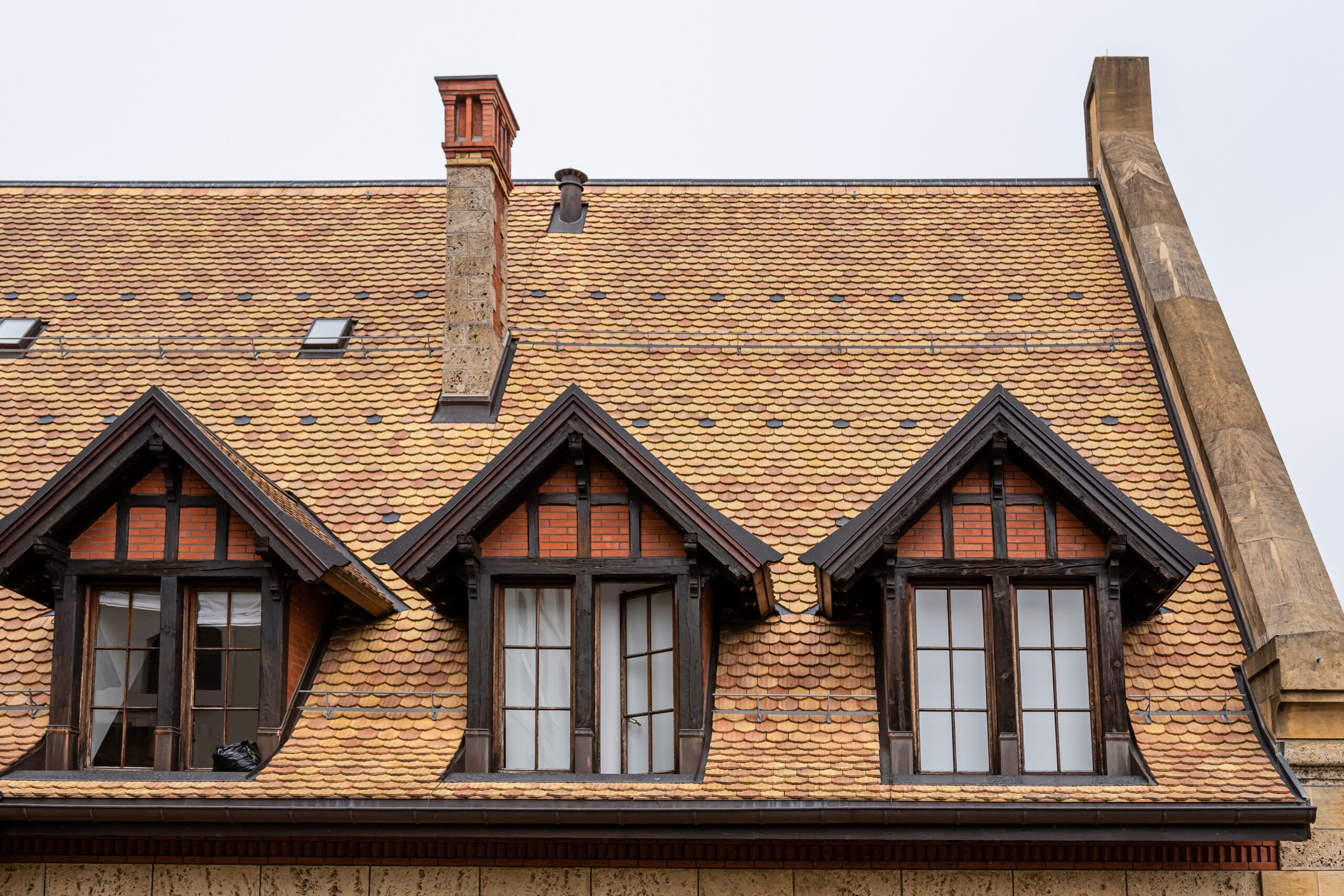
Roof emergencies often feel sudden, but many begin with small exterior problems that were developing for weeks, months, or even years. Emergency roof repair in Bronx properties is common because many local buildings face aging materials, dense urban layouts, heavy rain, snow, freeze-thaw cycles, strong winds, and older drainage systems.
A loose flashing detail, cracked masonry joint, clogged gutter maintenance tips, worn roof membrane, missing shingle, or failed sealant may not look serious at first. During a storm, these weak points can quickly turn into active leaks, ceiling stains, interior water damage, and urgent repair needs.
For Bronx homeowners, apartment buildings, and small commercial roof properties, early detection matters. Professional emergency roofing services Bronx property owners’ trust can stop active damage, protect the structure, and prevent a small issue from becoming a major roof failure.
This guide explains the most common exterior issues behind Bronx roof repair emergencies, what warning signs to watch for, and when to call a roofing professional.
What Qualifies as an Emergency Roof Repair?
An emergency roof repair is any roofing problem that creates immediate risk to the building, occupants, interior spaces, or structural components. Not every roof issue is an emergency, but active water entry, storm damage, exposed decking, sagging roof areas, and unsafe roof conditions should be handled quickly.
Emergency roof repair often starts with temporary protection. A roofer may tarp an exposed area, seal a leak, clear blocked drainage, patch a puncture, or secure loose materials. After the immediate danger is controlled, a full inspection can determine the permanent repair plan.
In the Bronx, emergency roof problems can happen on shingle roofs, flat roofs, apartment buildings, townhouses, older homes, and commercial properties. The key is knowing when damage can wait and when it needs immediate attention.
Signs You Need Immediate Roof Repair
You may need emergency roof repair if water is actively leaking into the home, ceiling stains are spreading, or water is dripping near lights, outlets, or electrical areas. These signs should never be ignored.
A roof leak emergency Bronx property owners face may also include exposed roof decking, missing shingles, lifted roof membrane, storm-damaged flashing, or a puncture caused by falling debris.
Sagging roof areas are another serious warning sign. If the roof appears soft, low, or structurally weak, avoid walking on it and call a professional right away. Interior water damage, wet insulation, and rapidly growing stains may mean the problem is spreading.
Why Delaying Emergency Roof Repair Is Risky
Delaying emergency roof repair can lead to structural weakening, mold growth, electrical hazards, damaged insulation, and higher long-term repair costs. Water can travel behind walls and ceilings before the full damage becomes visible.
A small roof opening may allow rain to enter every time the weather changes. Over time, this can damage roof decking, framing, drywall, flooring, and interior finishes.
Emergency repairs are meant to stop damage before it spreads. Waiting too long may turn a simple repair into major restoration or roof replacement.
Weather-Related Exterior Issues Causing Roof Emergencies in the Bronx
Bronx roofs face weather conditions that can expose weak exterior areas quickly. Heavy wind can lift roofing materials. Snow and ice can create hidden leaks. Rain can overwhelm gutters and roof drains. Freeze-thaw movement can widen cracks in roofing, masonry, flashing, and sealants.
Many roof emergencies happen during or right after storms because water finds existing weak points. A small flashing gap or clogged drain may go unnoticed during dry weather, but heavy rain can reveal the issue immediately.
Storm and Wind Damage
Storms can cause sudden roofing problems. Strong wind may lift shingles, loosen edge materials, pull at flashing, or tear sections of flat roof membrane. Wind-driven debris can also puncture roofing materials or damage vents, skylights, and roof edges.
Storm damage roof repair Bronx homeowners need may involve missing shingles, torn flashing, damaged gutters, or exposed roof areas. Even if damage looks minor from the ground, it may allow water to enter during the next rainfall.
After severe weather, emergency roof repair after storm service can help secure the roof and prevent hidden damage from growing.
Snow, Ice, and Freeze-Thaw Damage
Winter can create serious roof emergencies in the Bronx. Snow buildup adds weight. Ice can block drainage. Freeze-thaw cycles can push water into small openings, freeze it, and make cracks larger.
Ice dams can cause water to back up under shingles or around roof edges. On flat roofs, blocked drains may create standing water that freezes and thaws repeatedly.
Winter roof damage Bronx homeowners notice may appear as ceiling stains, roof edge leaks, cracked materials, or interior dampness after snow begins melting. When water enters during thaw cycles, emergency roof leak repair Bronx services may be needed quickly.
Heavy Rain and Poor Drainage Issues
Heavy rain can turn poor drainage into an emergency. Flat roofs may develop standing water if drains, scuppers, or gutters are blocked. Shingle roofs may leak if gutters overflow and push water under roof edges.
Interior ceiling leaks often appear during heavy rain because water pressure increases around weak points. If gutters overflow, fascia boards, siding, walls, and foundations may also be affected.
Rain-related roof emergencies are often preventable with regular gutter cleaning, roof drain inspection, and flashing maintenance.
Structural and Material Failures That Trigger Emergency Roof Repairs
Some emergency roof repairs are caused by sudden storms, but others happen because roofing materials have reached the end of their service life. Older Bronx homes may have aging shingles, worn flat roof membranes, deteriorated flashing, or past patch repairs that no longer perform.
Material failure often happens gradually before it becomes urgent. A roof may look acceptable from the street while hidden seams, underlayment, decking, or flashing details are already weak.
Aging Roofing Materials in Bronx Buildings
Older roofing materials are more likely to fail during severe weather. Asphalt shingles can become brittle, curled, cracked, or loose. Flat roofing membranes can split, blister, shrink, or separate at seams. Sealants can dry out. Flashing can corrode or pull away.
Roof repair for old homes Bronx property owners’ schedules should focus on early identification of weak areas before storms expose them. Older roofs are also more vulnerable to wind uplift, water infiltration, and freeze-thaw damage.
Professional emergency roof repair services can control urgent leaks, but repeated emergencies may mean the roof needs more than temporary repair. If aging materials are failing across the roof, replacement planning may be the better long-term solution.
Improper Installation or Past Repairs
Improper installation is another common reason roofs fail suddenly. Poor flashing work, incorrect sealing, weak fasteners, bad membrane seams, and low-quality patch repairs can all create emergency leak risks.
Past repairs can also become problem areas if they were done quickly or with incompatible materials. A patch may hold for a while, but during heavy rain or wind, it can separate and allow water inside.
A professional roofer should inspect not only the current leak but also the surrounding roof area. This helps determine whether the emergency is isolated or connected to a larger installation issue.
Gutter and Drainage Problems Leading to Roof Emergencies
Gutters and drainage systems are closely connected to roof performance. When they fail, water can back up into roof edges, fascia boards, flat roof surfaces, siding, and foundations.
Bronx homes with older gutters, mature trees, flat roof drains, or narrow drainage areas are especially vulnerable. Clogged or damaged drainage systems can quickly cause leaks during heavy rain.
Clogged or Damaged Gutters
Clogged gutters can force water to back up under roofing materials. Leaves, branches, roof granules, trash, and debris can block water flow. When gutters overflow, water may damage fascia boards, soffits, siding, and roof edges.
Damaged gutters can also pull away from the home. This creates gaps where water can run behind the gutter and into vulnerable areas.
Regular gutter maintenance helps reduce roof emergencies by keeping water moving away from the home.
Roof Drain Failures on Flat Roofs
Flat roofs depend on reliable drainage. If internal drains, scuppers, or roof outlets clog, ponding water can develop quickly. Standing water adds weight, stresses roofing membranes, and increases leak risk.
On older flat roofs, ponding water may also worsen seam failure, flashing damage, and roof deck deterioration. In severe cases, water load can create structural stress.
Homes with flat or low-slope roofs should schedule routine Flat roofing inspections and fast roof repair when drainage issues appear.
Exterior Wall and Masonry Issues Affecting Roof Stability
Roof problems are not always caused by the roof surface alone. Exterior walls, masonry, parapets, chimneys, vents, and sealants can all affect roof performance. When these areas fail, water may enter near roof transitions and appear as a roof leak.
Bronx buildings often have brick walls, parapets, chimneys, coping, and masonry details that connect directly to roof systems. If these areas deteriorate, the roof becomes more vulnerable.
Cracked Masonry and Parapet Wall Damage
Cracked masonry and damaged parapet walls can create water entry points near roof edges. Open mortar joints, loose bricks, failing coping, and wall cracks may allow rain to enter behind the roof system.
Loose bricks can also fall onto roofing materials and cause punctures, tears, or surface damage. Parapet walls are especially important on flat roofs because they protect roof edges and help control water flow.
If masonry damage appears near the roofline, it should be inspected before it leads to leaks or emergency repair needs.
Failing Sealants and Exterior Gaps
Sealants around chimneys, vents, skylights, wall transitions, and roof penetrations can fail over time. Expansion joints can also separate as materials move with temperature changes.
These openings may look small, but wind-driven rain can push water through them. Once water enters, it may travel along walls, ceilings, or roof layers before becoming visible inside.
Exterior wall damage Bronx property owners notice should be addressed early. Many cases of emergency roof leak repair begin with small exterior gaps that were ignored too long.
Tree, Debris, and Environmental Hazards
The Bronx has tree-lined streets, dense buildings, rooftop equipment, traffic vibration, and urban environmental exposure. These factors can all contribute to roof emergencies.
A roof is constantly exposed to falling debris, pollution, movement, and maintenance traffic. Over time, these stressors can weaken roofing materials or cause sudden damage.
Falling Tree Limbs and Debris Impact
Falling tree limbs and windblown debris can puncture roofing membranes, crack shingles, damage gutters, break vents, or loosen flashing. Even a small puncture can lead to a serious leak during the next rainfall.
After storms, homeowners should check the roof from the ground for visible debris or damage. Do not climb onto an unsafe roof. A professional inspection can determine whether emergency repair is needed.
Urban Environmental Stressors in the Bronx
Air pollution, traffic vibration, construction activity, rooftop equipment, and foot traffic can all affect roof performance. Pollution can contribute to surface wear. Vibrations may worsen existing cracks in older buildings. Rooftop equipment can stress membranes and flashing.
HVAC units, vents, antennas, and service walkways also create roof penetrations and wear areas. Regular inspection helps identify these stress points before they become emergency leaks.
How Regular Exterior Maintenance Prevents Emergency Roof Repairs
Regular exterior maintenance is one of the best ways to prevent sudden roof emergencies. Many emergency repairs begin as small issues that could have been found earlier.
Maintenance should include roof inspections, gutter cleaning, drain checks, flashing review, masonry inspection, sealant repair, and quick attention to minor leaks.
Importance of Routine Roof Inspections
Routine roof inspections help identify small problems before they become emergencies. Seasonal inspections are especially important before winter, after storms, and before heavy rain periods.
A roofer can check shingles, membranes, flashing, vents, skylights, drains, gutters, roof edges, and signs of moisture. Early damage detection helps reduce the chance of sudden leaks.
For older Bronx homes, routine inspection is even more important because materials may already be worn or weakened.
Preventative Repairs That Save Money
Preventative repairs can save money by reducing emergency damage. Flashing resealing, minor leak repair, gutter cleaning, drain clearing, and patching small membrane punctures can prevent larger problems.
A small repair completed early may prevent ceiling damage, mold concerns, insulation replacement, structural repairs, or emergency tarping.
If your goal is to prevent emergency roof repair Bronx properties often need, consistent roof maintenance Bronx homeowners trust is the best place to start.
When to Call a Professional for Emergency Roof Repair in the Bronx
Homeowners should call a professional when roof damage creates immediate risk, water is entering the property, or structural concerns appear. Emergency roof work should not be delayed when safety or active water damage is involved.
Trying to handle major roof issues without the right training can be dangerous. Wet roofs, storm damage, loose materials, and sagging areas should be handled by experienced roofers.
Situations Requiring Immediate Expert Help
Call for immediate expert help if there is an active leak, roof sagging, storm damage, exposed decking, missing roof sections, fallen tree damage, or water near electrical areas.
You should also call if ceiling stains are spreading quickly, a flat roof is holding large amounts of water, or roofing materials are visibly lifted after wind.
These situations can worsen fast and should be inspected safely by a professional.
What to Expect from Emergency Roofing Services
Emergency roofing services usually begin with rapid response and damage assessment. The roofer may provide temporary protection such as tarping, sealing, patching, or drainage clearing.
After the emergency is controlled, the contractor should explain permanent repair options. This may include flashing repair, shingle replacement, membrane repair, gutter repair, or larger roof work.
A good emergency service also helps property owners understand what caused the problem and how to prevent it from happening again.
Conclusion: Protecting Bronx Properties from Sudden Roof Emergencies
Exterior issues can quickly turn into roof emergencies when they are ignored. Storm damage, clogged gutters, failing flashing, cracked masonry, aging materials, poor drainage, winter ice, and loose sealants are all common causes of urgent roof problems in the Bronx.
The best way to reduce risk is proactive maintenance. Regular inspections, gutter cleaning, roof repairs, masonry checks, and drainage care can prevent many sudden leaks and expensive emergency calls.
When damage does happen, fast professional help matters. Emergency roof repair in Bronx properties should focus on stopping active damage, protecting the structure, and planning long-term repairs.
Need fast help with a roof emergency? Royal Roofing Bronx provides emergency roofing services Bronx homeowners and property owners can rely on for leaks, storm damage, flat roof problems, gutter-related roof issues, and urgent repairs. Call (718) 395-5061 or visit 1231 Lafayette Ave 2nd Floor, Bronx, NY 10474 to schedule service today.
FAQs – Emergency Roof Repair in the Bronx
What qualifies as an emergency roof repair in the Bronx?
An emergency roof repair in the Bronx usually involves active leaks, exposed decking, storm damage, sagging roof areas, water near electrical systems, or damage that could worsen quickly. If the roof is letting water inside or creating a safety risk, it should be inspected by a professional as soon as possible.
What exterior issues most often cause sudden roof leaks?
Sudden roof leaks are often caused by damaged flashing, clogged gutters, cracked masonry, loose shingles, flat roof membrane punctures, failed sealants, and poor drainage. Storms often expose these weak points. Small exterior issues can become major leaks when heavy rain or wind pushes water into vulnerable areas.
Can gutter problems really lead to emergency roof damage?
Yes, gutter problems can lead to emergency roof damage. When gutters clog, overflow, or pull away from the home, water can back up under roof edges, damage fascia boards, and enter wall or roof systems. In winter, trapped water can freeze and increase the risk of leaks and roof edge damage.
How fast should I act after storm-related roof damage?
You should act quickly after storm-related roof damage, especially if there are active leaks, missing roofing materials, fallen debris, or visible roof openings. Fast response helps limit interior damage, mold growth, insulation problems, and structural weakening. A professional inspection can confirm whether temporary or permanent repair is needed.
How can I prevent emergency roof repairs in older Bronx buildings?
You can help prevent emergency roof repairs in older Bronx buildings with seasonal roof inspections, gutter cleaning, flashing maintenance, masonry checks, drainage care, and quick repair of small leaks. Older roofs should be monitored more closely because aging materials, past repairs, and weather exposure can increase emergency repair risks.