Rising temperatures, longer summers, and increasing energy costs have made roofing performance more important than ever. In modern construction, builders and property owners are turning to cool roof technology as a smart, sustainable solution for managing heat and improving energy efficiency—especially in hot and urban climates across the United States. From residential homes to commercial flat roofs in dense cities like Queens, cool roofing systems are transforming how buildings handle solar heat.
This guide explains how cool roof technology works, its advantages, and why it is becoming a preferred roofing choice for modern construction projects.
What Is Cool Roof Technology?
Cool roof technology refers to roofing systems designed to reflect more sunlight and absorb less heat than traditional roofs. Unlike conventional dark roofs that trap solar energy, cool roofing technologies use reflective materials or coatings to keep roof surfaces significantly cooler.
By minimizing heat absorption, cool roofs help regulate indoor temperatures, reduce cooling demand, and improve overall building performance.
How Cool Roof Technology Works
Cool roof technology works through two key properties:
- High solar reflectance, which reflects sunlight away from the building
- High thermal emittance, which allows absorbed heat to dissipate quickly
Together, these properties prevent excessive heat buildup, making cool roof solutions ideal for regions that experience high summer temperatures and strong solar exposure.
Why Cool Roof Technology Matters in Modern Construction
Modern construction prioritizes sustainability, energy efficiency, and long-term cost savings. Cool roof technology aligns perfectly with these goals by offering a roofing solution that improves performance without complex structural changes.
In urban environments, where heat retention is higher due to concrete surfaces and limited airflow, cool roofs play a crucial role in creating healthier and more efficient buildings.
Role in Sustainable & Green Building Design
Cool roofs are often integrated into sustainable building strategies because they:
- Reduce overall energy consumption
- Lower greenhouse gas emissions
- Complement eco-conscious construction practices
They are frequently considered alongside Green Roof systems as part of broader environmental design plans, particularly in cities focused on climate resilience.
Benefits of Cool Roof Technology for Hot Climates
The cool roof benefits extend beyond surface-level temperature control. These systems deliver measurable advantages for both building owners and occupants.
Key advantages include:
- Improved indoor comfort during summer months
- Reduced air-conditioning usage
- Extended roof durability
- Lower peak electricity demand
Energy Savings and Lower Cooling Costs
By reducing roof temperatures, cool roofs decrease the amount of heat transferred into the building. This directly lowers cooling costs and reduces strain on HVAC systems—an important benefit during intense U.S. heatwaves.
Urban Heat Island Reduction
Dense cities experience higher temperatures due to heat-absorbing infrastructure. Cool roof technology helps combat this effect by reflecting sunlight, contributing to cooler neighborhoods and improved outdoor comfort in urban areas like Queens.
Cool Roof Technology for Flat Roofing Systems
Flat roofs are especially well-suited for cool roof technology for flat roof applications. Their large surface area makes them ideal candidates for reflective coatings and membranes commonly used in commercial and multifamily buildings.
Cool roof systems also support longer Flat Roof lifespan by minimizing thermal stress and surface degradation.
Popular Cool Roof Materials Used in the U.S.
Common materials used in cool roofing technologies include:
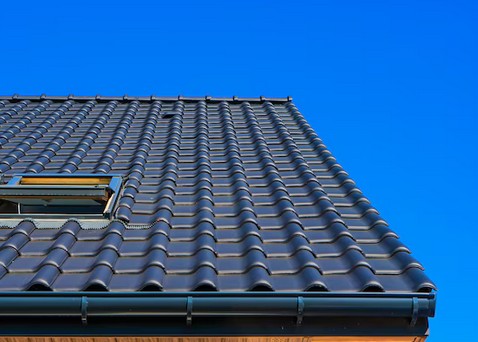
- Cool Roof shingles designed for sloped residential roofs
- Single-ply reflective membranes
- Cool roof coating products applied over existing flat roofs
Advanced cool roof coating technology is particularly popular for retrofit projects because it improves performance without requiring full roof replacement.
Why Cool Roof Technology Is Ideal for Queens, New York
Queens experiences hot summers, dense development, and a high concentration of flat-roofed buildings. These factors make cool roof solutions especially effective for both residential and commercial properties in the area.
Reducing rooftop heat helps maintain indoor comfort while lowering energy demand during peak summer months.
Supporting Flat Roofing Solutions in Queens
Cool roofs pair exceptionally well with services such as roof coatings for plat roofs, especially for aging flat roofing systems. For property owners dealing with leaks or surface damage, cool roofing upgrades often complement flat roof repair near me services and ongoing maintenance programs provided by a professional flat roof contractor.
Cost, Durability, and Long-Term Performance
While the initial cost of installing cool roofing technologies may be slightly higher than traditional materials, the long-term savings often outweigh the investment.
Key performance advantages include:
- Reduced energy bills over time
- Less frequent maintenance
- Enhanced roof durability
These systems are considered among the best cool roof technology for buildings focused on long-term operational efficiency.
Cool Roof Technology vs Traditional Roofing Systems
Traditional roofing materials absorb heat, increasing indoor temperatures and accelerating material wear. In contrast, cool roofing technologies are engineered for performance and sustainability.
Key Differences:
- Better thermal control
- Improved energy efficiency
- Greater suitability for modern construction needs
The advantages of cool roof technology make it a superior choice for hot climates and urban environments.
Is Cool Roof Technology Right for Your Building?
Cool roofs are ideal for:
- Commercial buildings with flat roofs
- Multifamily residential properties
- Homes seeking residential cool roof technology upgrades
- Buildings in high-temperature or urban areas
Factors such as roof type, climate, and energy goals should be considered when selecting the most appropriate cool roof solution.
Conclusion
As temperatures continue to rise and sustainability becomes a priority, cool roof technology is shaping the future of modern construction. From reducing energy costs to improving comfort and extending roof life, cool roofing systems offer practical, long-term benefits.
For property owners and builders in hot climates, especially in urban areas like Queens, investing in cool roof solutions is a forward-thinking decision that supports both environmental responsibility and financial efficiency.
For professional guidance, installation, or roofing services, contact Royal Renovators Inc. at (718) 414-6067 for expert support and reliable solutions.
Frequently Asked Questions
Why are flat roofs common in NYC buildings?
Flat roofs maximize building space, reduce construction costs, and fit dense urban environments.
Do flat roofs work well in Queens weather?
Yes. Modern flat roofing systems are designed to handle rain, snow, and seasonal weather changes.
Do flat roofs have drainage systems?
Yes. Flat roofs use slight slopes, drains, and scuppers to move water away from roofing surfaces.
What roofing materials are commonly used on NYC flat roofs?
EPDM, TPO, modified bitumen, and built-up roofing are commonly used systems.
How often should flat roofs be inspected?
Flat roofs should be inspected at least twice each year and after severe weather conditions.